Oktoberfest & the Alsace Wine Route
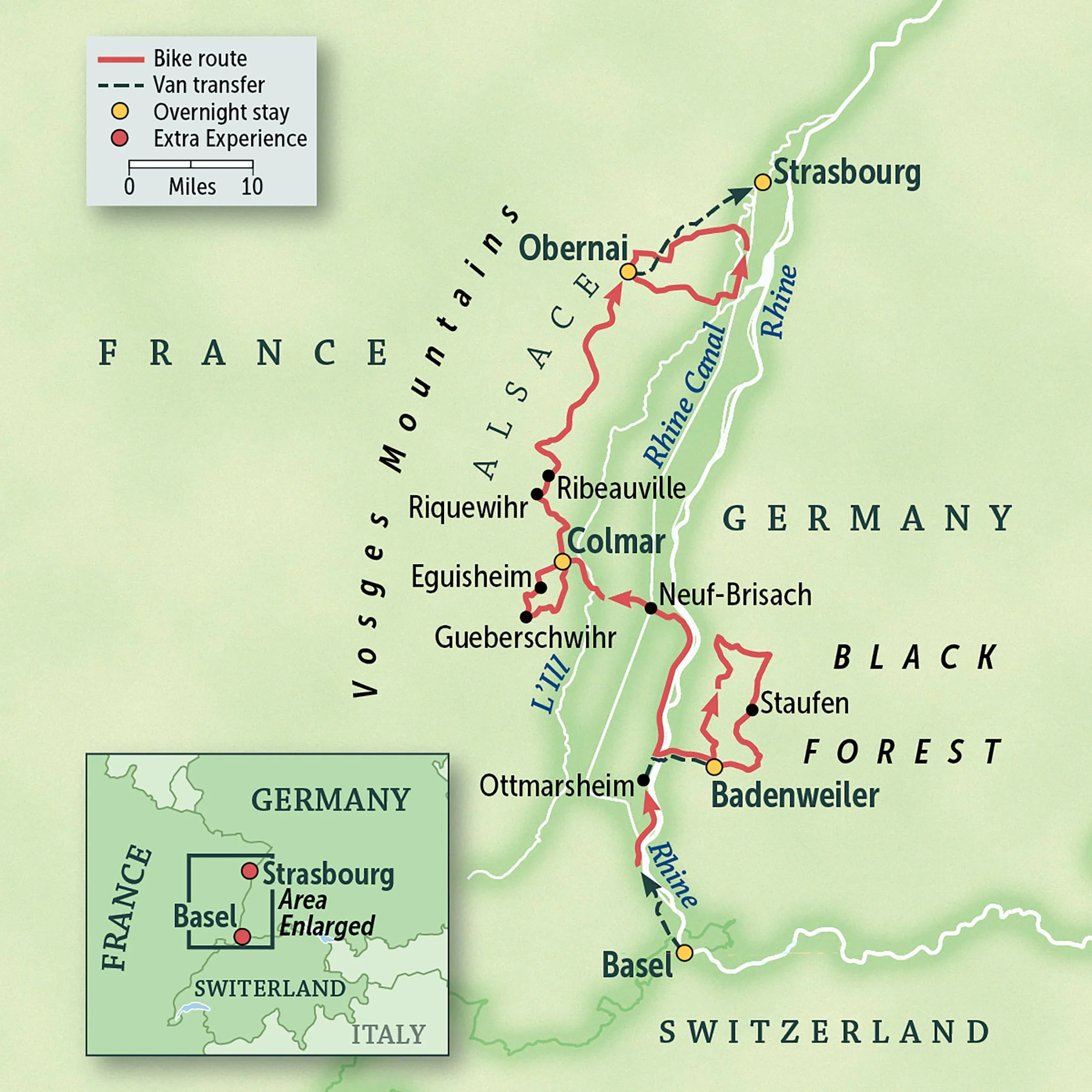
This 14-day journey combines Bavarian tradition, Swiss precision, and the charm of France’s Alsace region into a single, well-paced itinerary. While originally built around a VBT guided cycling trip, the experience translates just as well for non-cyclists who wish to explore historic towns, wine culture, scenic landscapes, and regional cuisine.
The route flows naturally from the energy of Munich’s Oktoberfest into the quieter, more refined rhythm of the Alsace Wine Route, with a mix of cities, small towns, and countryside settings.
This itinerary works particularly well because it balances energy and relaxation, cities and small towns, and cultural exploration with time to simply enjoy the setting—whether that’s a festival tent in Munich or a quiet glass of wine along the Alsace countryside.
The Itinerary
Arrival: Munich, Germany
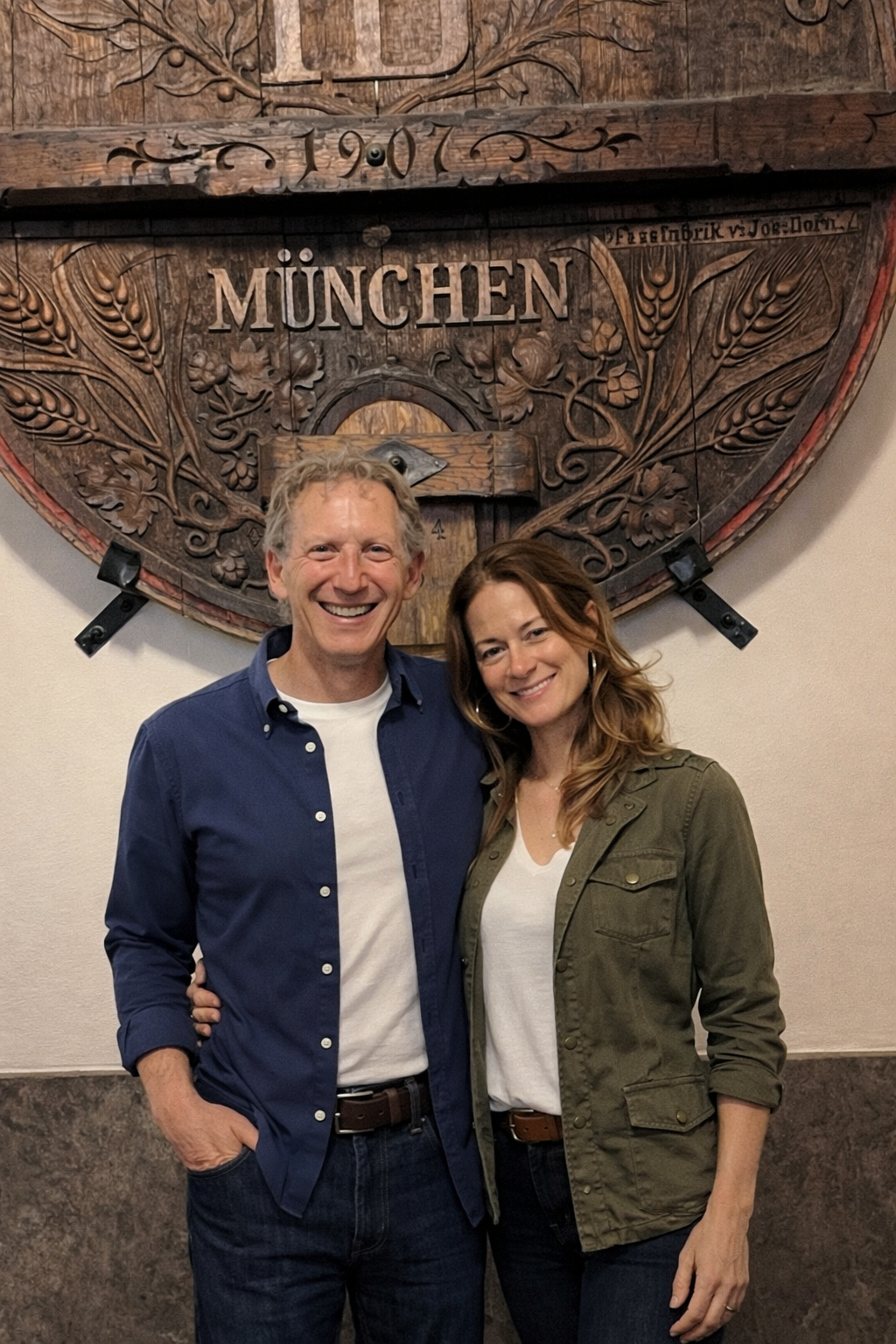
Munich, Germany (4 nights). Munich was the natural starting point for this trip, combining the festive energy of Oktoberfest at the Theresienwiese with one of Germany’s most attractive and livable cities. Beyond the beer tents, Munich offers grand squares, historic churches, royal architecture, museums, and an easygoing café culture that makes it appealing even outside the festival season.
Basel, Switzerland (1 night). Basel makes an excellent transition point into the Alsace region, with a beautiful Old Town on the Rhine, an impressive cathedral skyline, and a reputation for art and museums that far exceeds its size. It is compact, walkable, and polished, making it an easy one-night stop.
Badenweiler, Germany (2 nights). Set in the foothills of the Black Forest, Badenweiler is a small spa town known for its thermal bathing tradition, relaxed pace, and elegant setting among vineyards and wooded hills. It works well as a quiet base for exploring the German side of the Upper Rhine while enjoying a slower, restorative interlude.
Colmar, France (2 nights). Colmar is one of the most picturesque towns in Alsace, known for its half-timbered houses, canals, flowers, wine culture, and exceptionally intact historic center. It feels almost storybook in appearance and is one of the highlights of the Alsace Wine Route.
Obernai, France (2 nights). Obernai offered a smaller, more intimate Alsatian experience, with cobblestone lanes, medieval ramparts, half-timbered buildings, and easy access to the surrounding wine villages. Its scale and charm made it feel relaxed and authentic, while still placing us in the heart of the Alsace wine region.
Strasbourg, France (2 nights). Strasbourg brings the trip to a strong finish with its Gothic cathedral, canal-laced Petite France district, and UNESCO-listed historic core, blending French and German influences in one of Europe’s most distinctive small cities. It is large enough to feel cosmopolitan yet compact enough to enjoy at a relaxed pace.
Departure: Munich, Germany
Munich, Germany (3 Nights)
Why We Chose It
Munich was a logical entry point from the U.S. and an ideal place to begin the trip before continuing on to Switzerland. It gave us the opportunity to experience Oktoberfest, while still enjoying one of Germany’s most attractive cities—known for its historic squares, grand architecture, beer halls, parks, and relaxed café culture.
Lodging
We stayed at Hotel NH Collection München Bavaria, a modern hotel with panoramic views conveniently located adjacent to the central train station (Hauptbahnhof) and within walking distance of the Oktoberfest grounds (Theresienwiese).
Memorable Activities
Oktoberfest – A major highlight of the trip (covered in the next section).
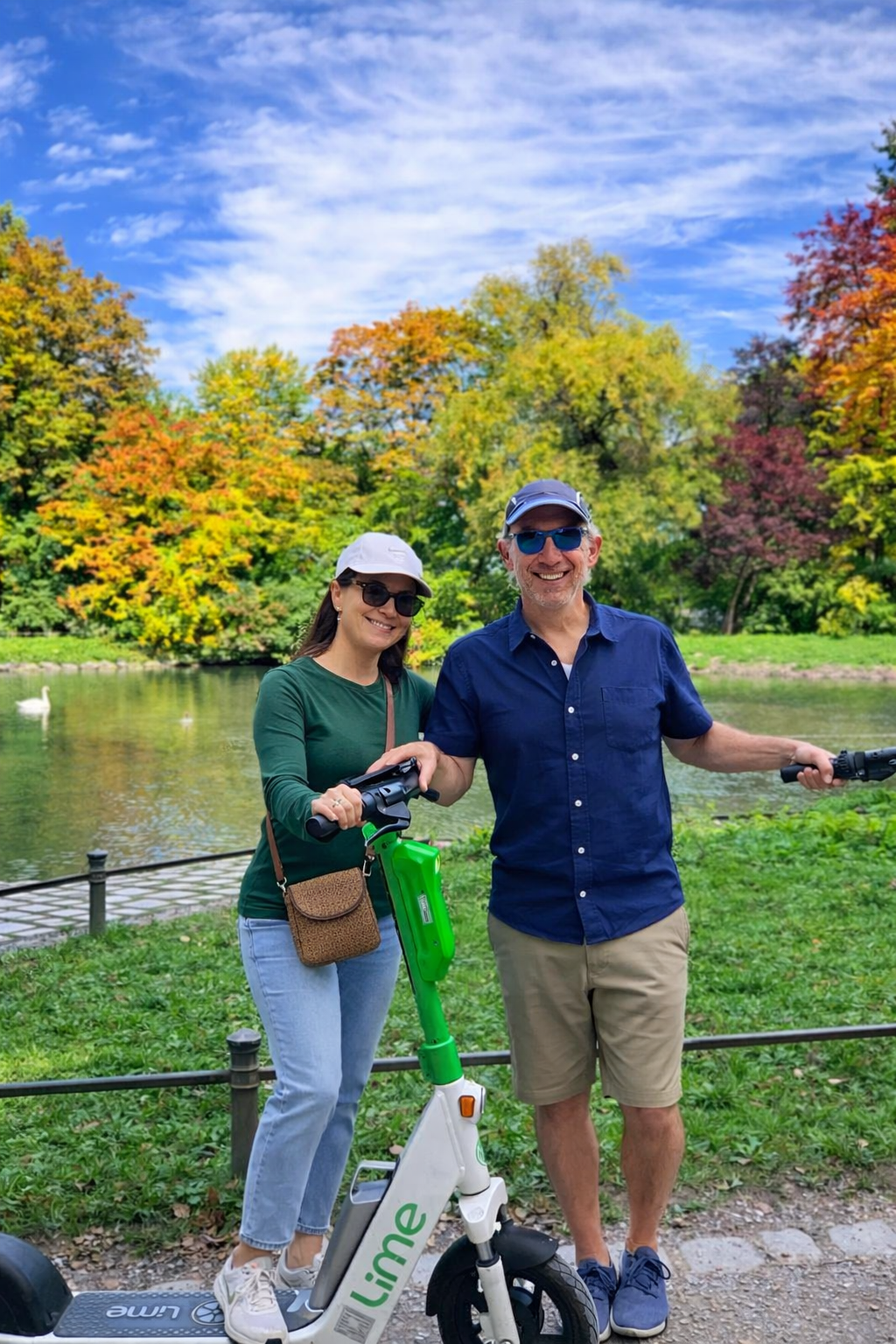
Renting e-scooters to move efficiently between neighborhoods and major sights.
Wandering the city center, passing street musicians, historic buildings, and lively squares.
Visiting the Hofbräuhaus, Munich’s most famous beer hall.
Food & Drink Notes
Munich is known for its extensive network of traditional beer gardens, where long communal tables sit beneath chestnut trees. These open-air spaces offer a relaxed, local atmosphere with self-service or casual dining, classic Bavarian food, and fresh beer served in large steins. Many allow you to bring your own food, making them an easy and authentic way to spend a few hours.
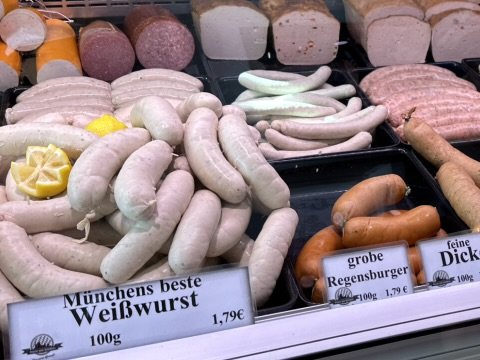
Traditional Weißwurst – A classic Bavarian sausage made from veal and pork, gently poached and traditionally eaten before noon. It’s served with sweet mustard, a soft pretzel, and a wheat beer. The casing is typically not eaten.
Boilerman Bar – A stylish, speakeasy-like bar located in the 25hours Hotel Royal Bavarian, offering a cozy, dark interior and a strong focus on highballs and well-crafted cocktails. Known for its extensive whiskey selection, it provides a relaxed escape just steps from the busy train station district.
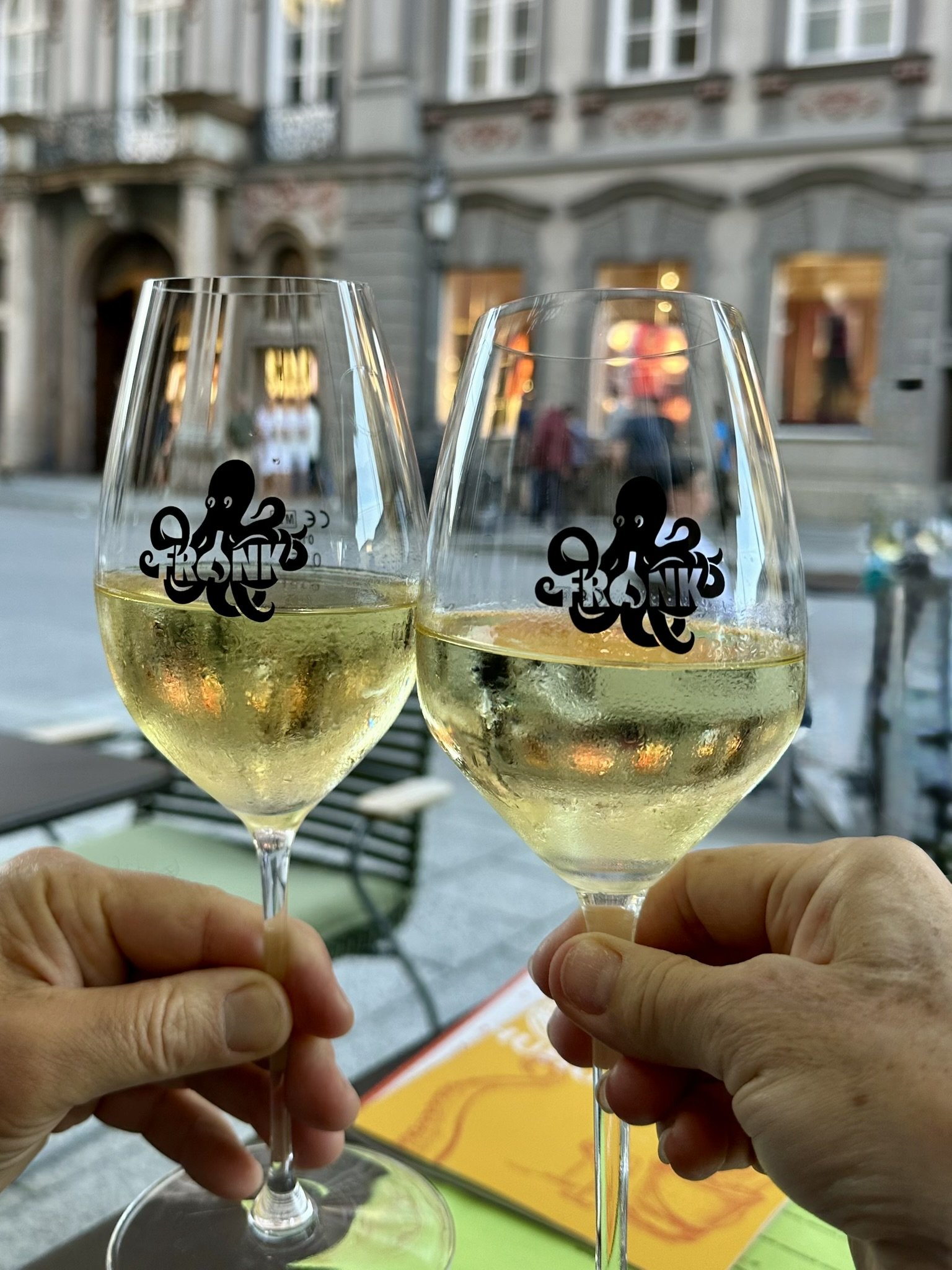
Frank Winebar – A charming, centrally located wine bar known for its strong selection of Franconian wines, attentive service, and relaxed atmosphere. The menu features well-executed regional dishes—standouts include beef tartare and grilled squid.
Oktoberfest
What It Is
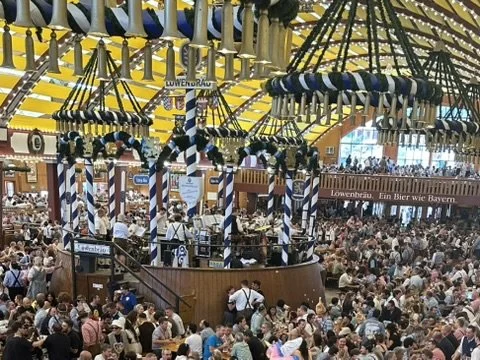
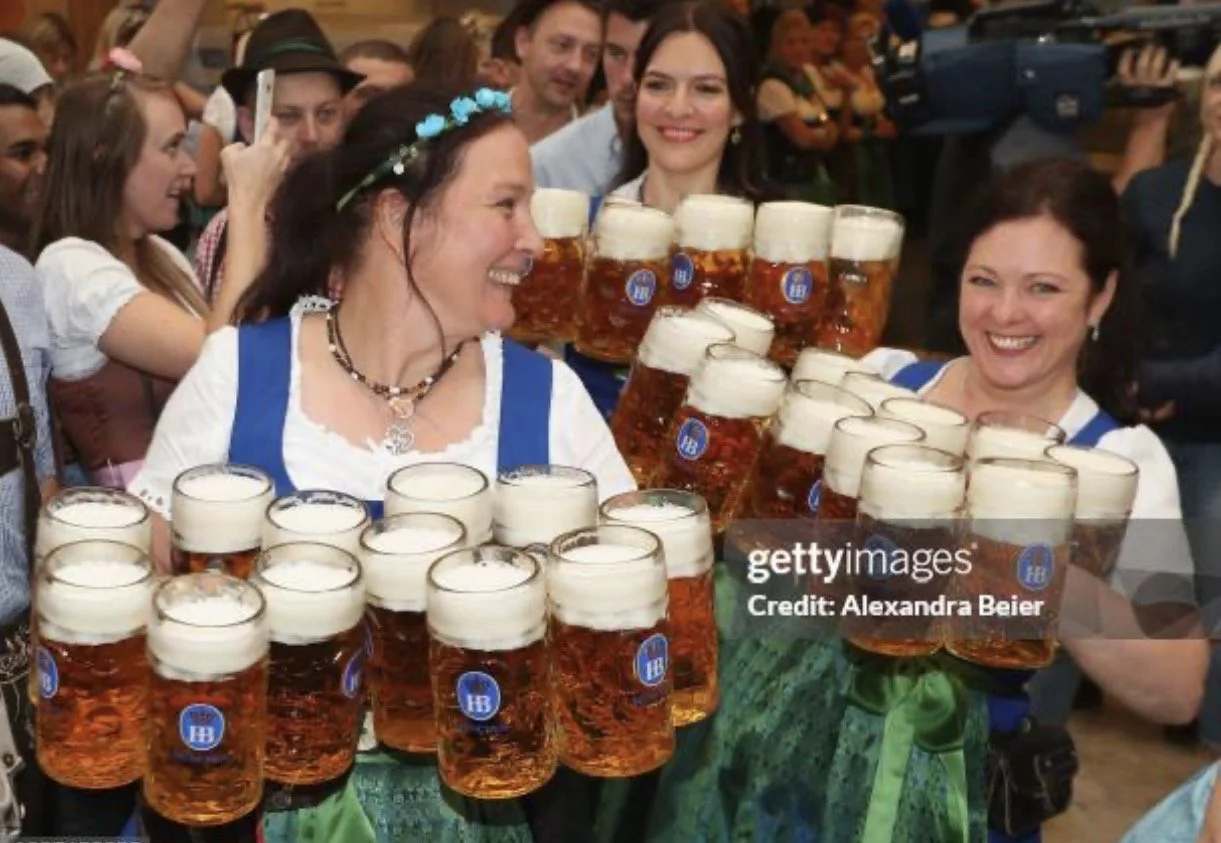
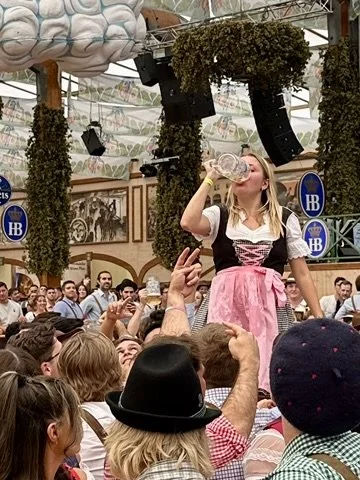
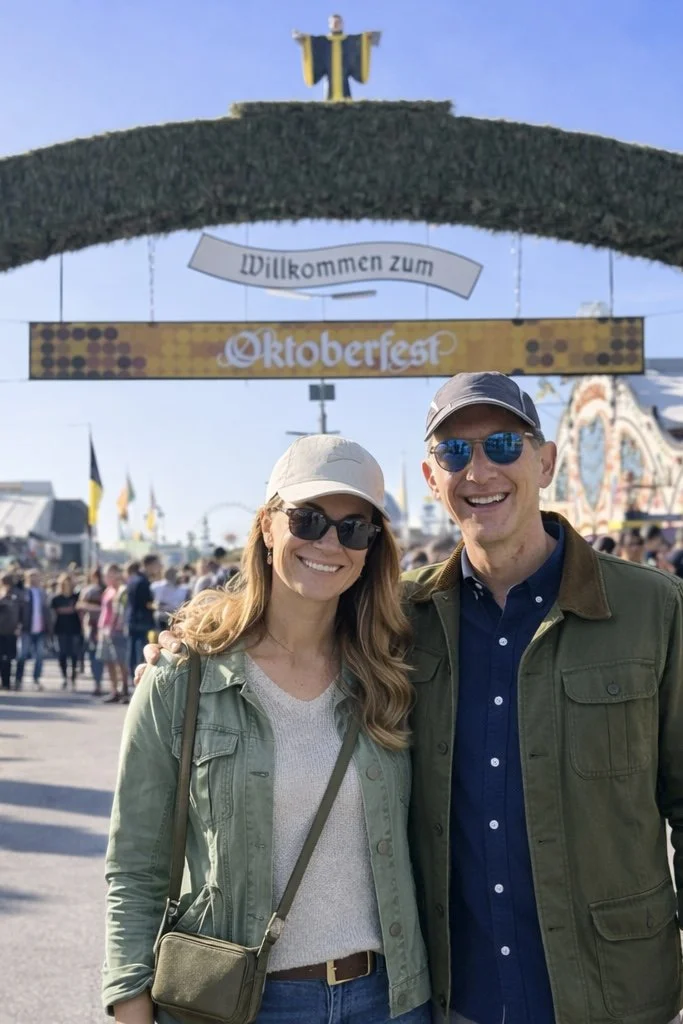
Oktoberfest is the world’s largest folk festival, held annually at the Theresienwiese in Munich. At its core, it is a series of massive beer tents hosted by Munich breweries, each with its own atmosphere—ranging from lively and raucous to more traditional and reserved. Long communal tables, live bands, and servers carrying a dozen liter steins create a uniquely energetic environment. Beyond the tents, the grounds include carnival rides, food stands, and open-air beer gardens, making it feel more like a large-scale fair than a single event.
What It Is Not
Oktoberfest is not just casual beer drinking—it is a structured, highly organized cultural event with defined rules and service areas. While some tents are high-energy, many are more traditional and relaxed. The atmosphere is more orderly than typical large U.S. festivals, with less visible excess than one might expect and a crowd that includes many locals and regional visitors, not just international partygoers.
Know Before You Go
Timing matters – Earlier in the day is more manageable; evenings become crowded and more chaotic.
Reservations – Required for guaranteed seating in popular tents, especially at night.
Cash is essential – Many tents do not accept cards.
Beer – Brewed specifically for Oktoberfest by Munich breweries and slightly stronger than standard lagers, served in 1-liter steins only. Each tent is tied to a single brewery and primarily serves its Oktoberfest Märzen, so beer choice is limited.
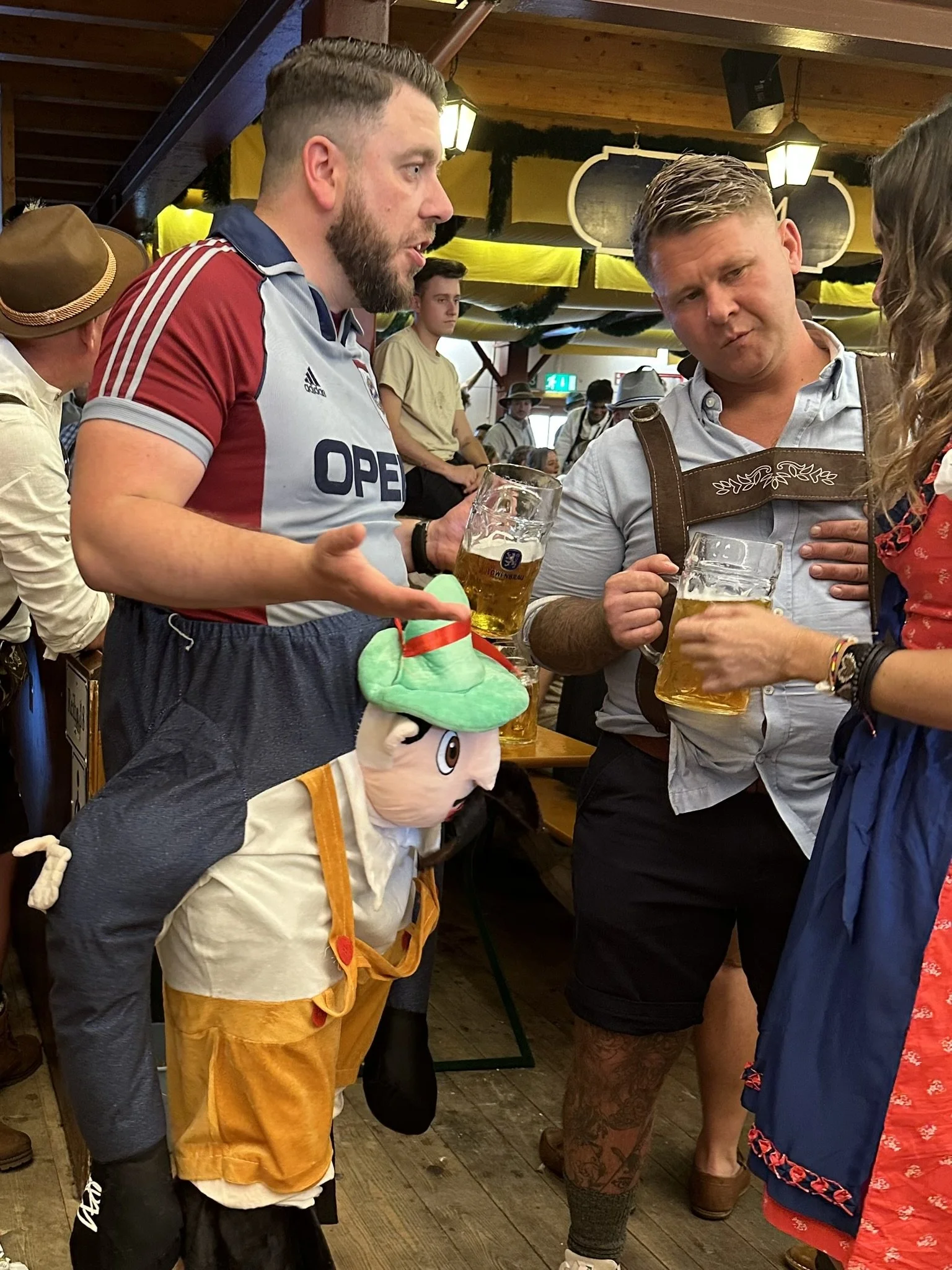
Dress – Traditional attire (lederhosen for men and dirndls for women) is common but not required.
Navigation – The grounds are large so it helps to familiarize yourself with tent locations in advance.
Food & Drink Notes
Beverages – Every tent serves one signature Oktoberfest brew and some tents offer a small selection of beer-alternatives such as radler (beer + lemonade), wine, and non-alcoholic drinks.
Pretzels (Brezn) – Large, soft, and ubiquitous.
Roast chicken (Hendl) – One of the most popular dishes in the tents.
Sausages and pork dishes – Classic Bavarian fare.