
Alsace & the Black Forest: France, Germany & Switzerland (9 Days)
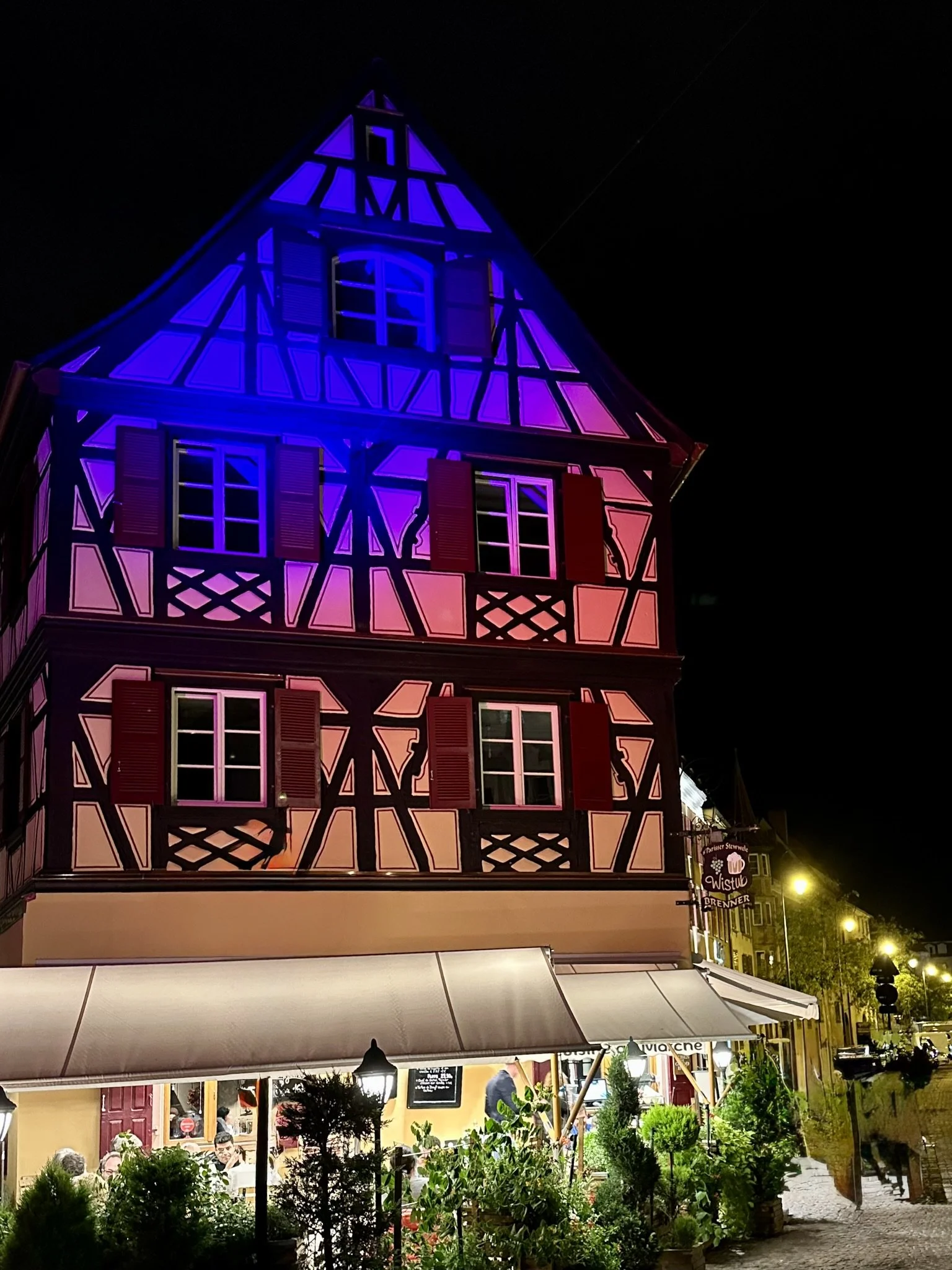
This 9-day itinerary through Alsace and the Upper Rhine region reflects our experience on a weeklong guided cycling tour with VBT (Vermont Bike Tours). The route explores a compact but culturally rich corner of Europe where France, Germany, and Switzerland converge, moving gradually north from Basel into Germany’s Black Forest, through Alsace wine country, and ending in Strasbourg.
While the trip is designed as a cycling tour, it translates well beyond that format. I (Maya) was working remotely during the trip and did not ride every day, and when I did, it was on an e-bike for shorter segments. Even so, the experience was highly enjoyable, which reinforces that this itinerary can be easily adapted for non-cyclists who prefer to explore by car, train, or at a slower pace.
Rather than focusing on large cities, the route emphasizes small towns, historic centers, and vineyard landscapes. Each stop offers a distinct perspective: the polished, art-forward feel of Basel; the quiet, restorative atmosphere of Badenweiler; the storybook charm of Colmar; the intimate scale of Obernai; and the cultural depth of Strasbourg.
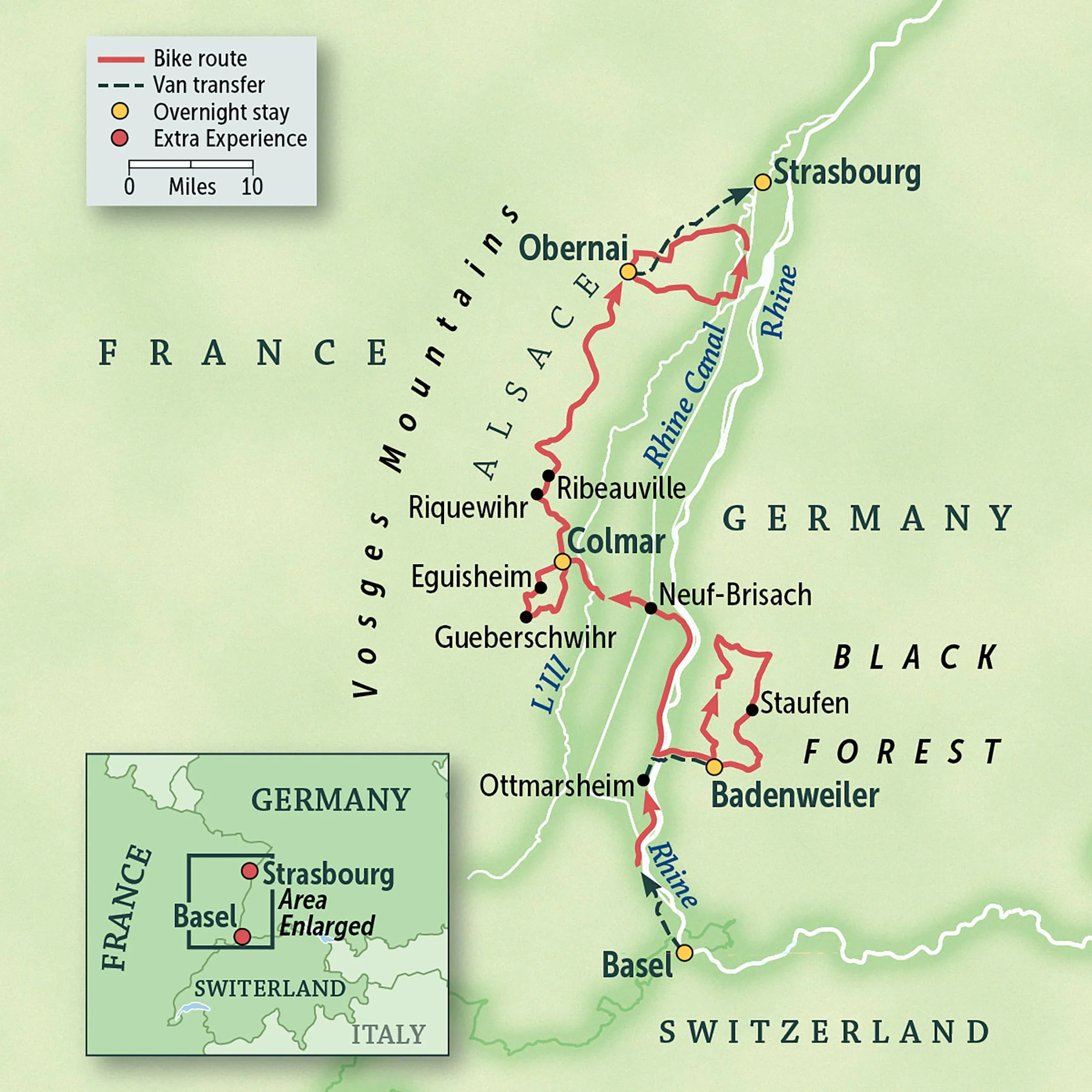
The Itinerary
Arrival: Basel, Switzerland
Basel, Switzerland (1 night). Basel makes an excellent transition point into the Alsace region, with a beautiful Old Town on the Rhine, an impressive cathedral skyline, and a reputation for art and museums that far exceeds its size. It is compact, walkable, and polished, making it an easy one-night stop.
Badenweiler, Germany (2 nights). Set in the foothills of the Black Forest, Badenweiler is a small spa town known for its thermal bathing tradition, relaxed pace, and elegant setting among vineyards and wooded hills. It works well as a quiet base for exploring the German side of the Upper Rhine while enjoying a slower, restorative interlude.
Colmar, France (2 nights). Colmar is one of the most picturesque towns in Alsace, known for its half-timbered houses, canals, flowers, wine culture, and exceptionally intact historic center. It feels almost storybook in appearance and is one of the highlights of the Alsace Wine Route.
Obernai, France (2 nights). Obernai offered a smaller, more intimate Alsatian experience, with cobblestone lanes, medieval ramparts, half-timbered buildings, and easy access to the surrounding wine villages. Its scale and charm made it feel relaxed and authentic, while still placing us in the heart of the Alsace wine region.
Strasbourg, France (2 nights). Strasbourg brings the trip to a strong finish with its Gothic cathedral, canal-laced Petite France district, and UNESCO-listed historic core, blending French and German influences in one of Europe’s most distinctive small cities. It is large enough to feel cosmopolitan yet compact enough to enjoy at a relaxed pace.
Departure: Strasbourg, France
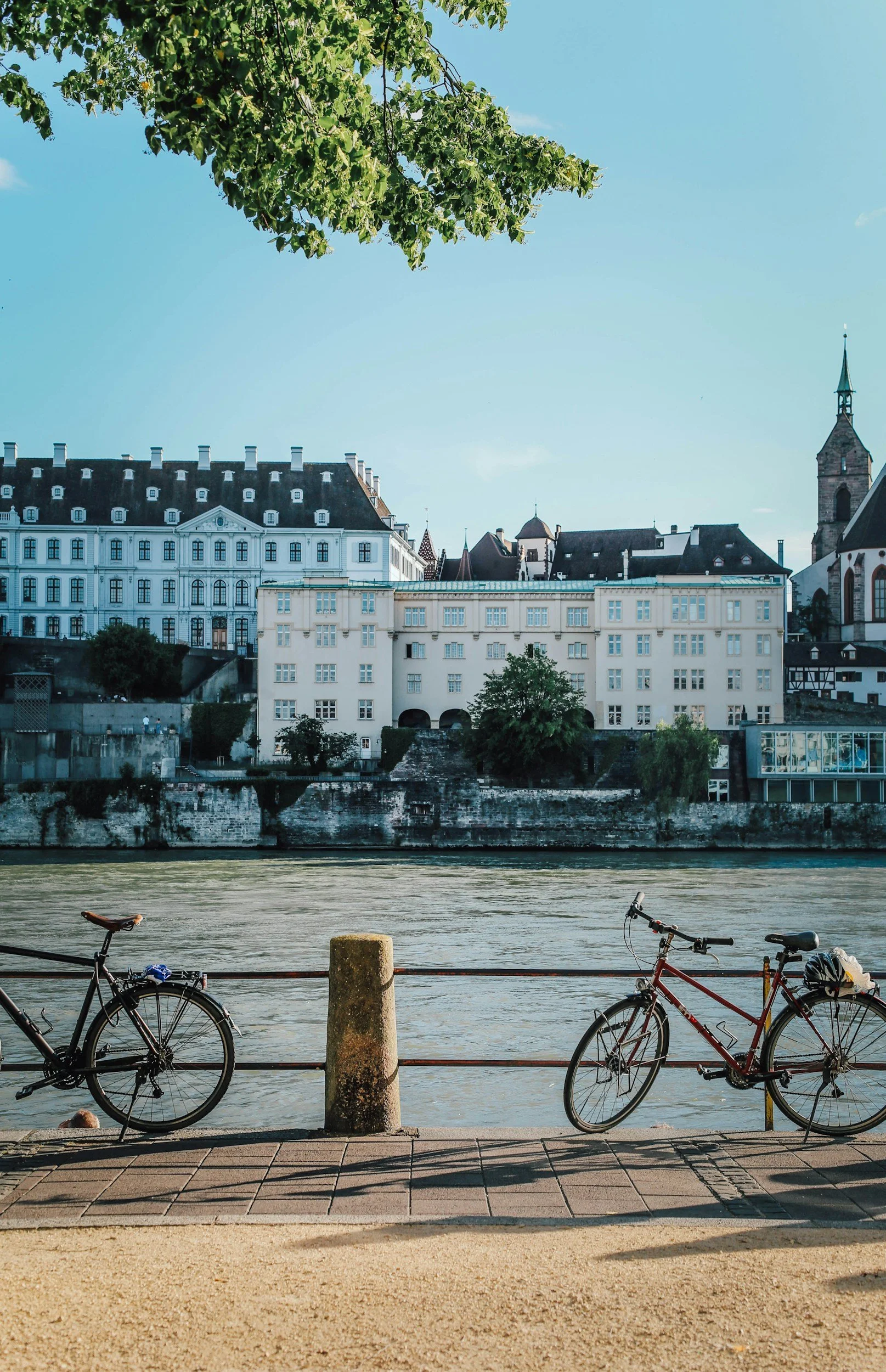
Basel, Switzerland (1 Night)
Why We Chose It: Basel is a natural gateway to the Alsace region, located at the intersection of Switzerland, France, and Germany. It is known for its walkable Old Town, strong art and museum scene, and scenic setting along the Rhine River, making it an efficient and worthwhile one-night stop.
Lodging: The Passage Urban & Lifestyle Hotel, a modern boutique property known for its sleek design, quiet rooms, and convenient central location within walking distance of the Old Town.
Memorable Activities
Unstructured wandering through the Old Town, with its colorful facades, narrow streets, and historic squares
Walking along the Rhine River promenade, a focal point of local life
Passing through Marktplatz and other central gathering areas
Food Notes: Simple, casual dining with a focus on fresh, local ingredients, typical of a short stay in a compact, walkable city.
Badenweiler, Germany (1 Night)
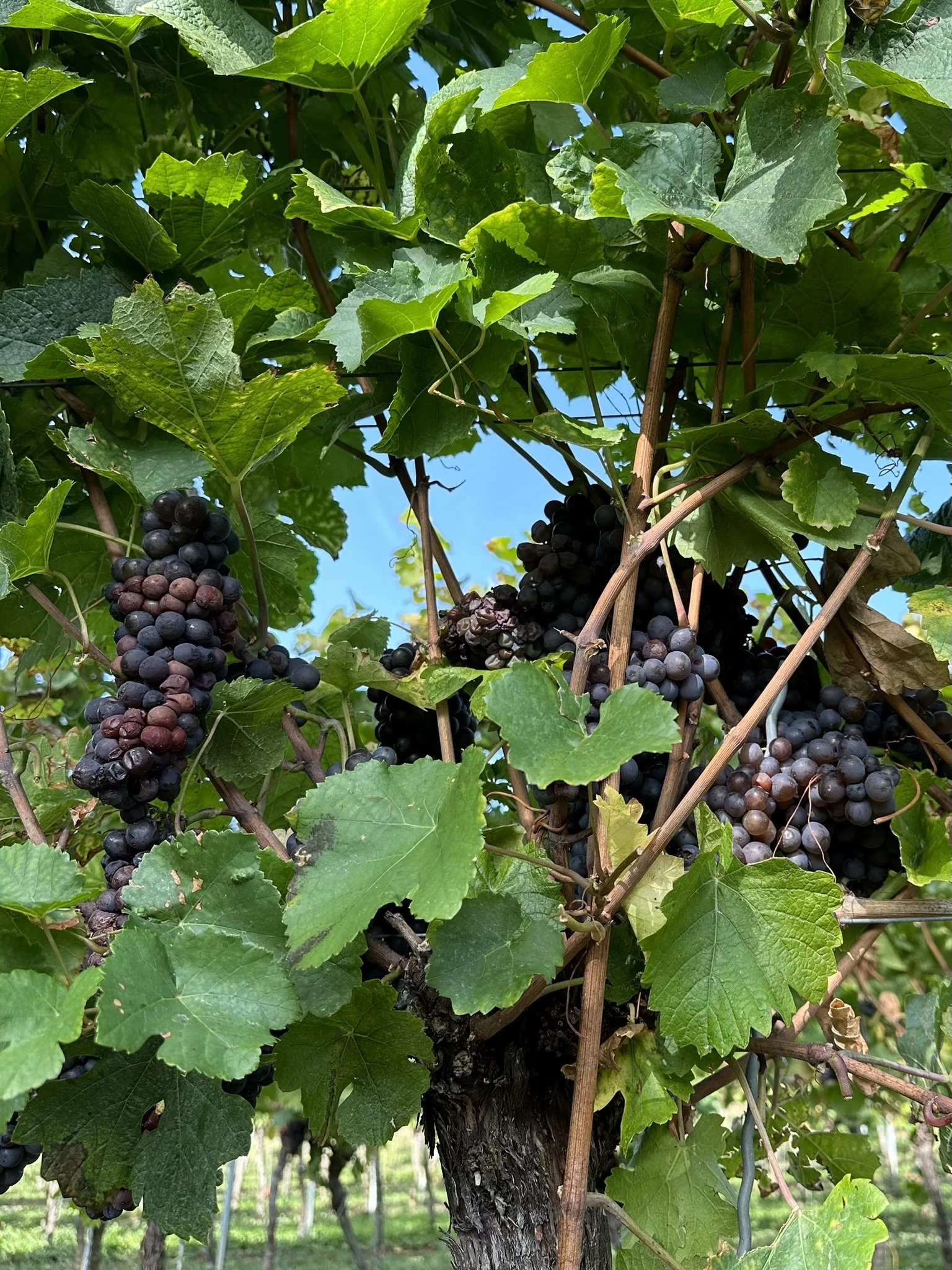
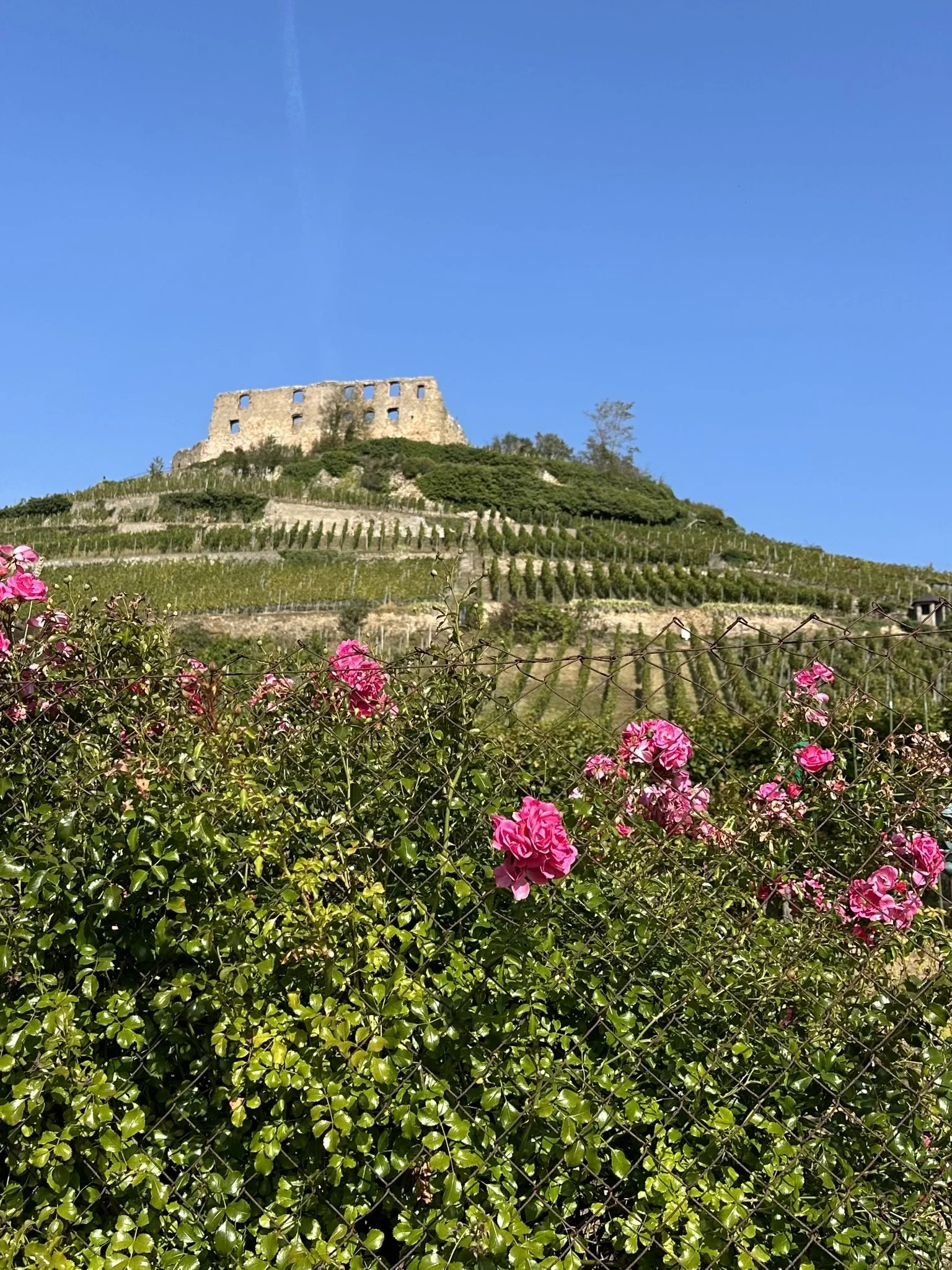
Why We Chose It: Badenweiler, sometimes referred to as “Spa-Hamlet,” has been a destination for relaxation since Roman times, known for its natural hot springs and thermal bathing culture. Its location at the edge of the Black Forest also makes it a convenient base for exploring the surrounding Rhine Valley and nearby Alsatian towns.
Lodging: Park Hotel & Spa KATHARINA, a renovated 19th-century villa offering unique, comfortable rooms, a small spa, and an excellent location within walking distance of the town center and the Cassiopeia thermal baths.
Memorable Activities
Walking and cycling along the Grand Canal d’Alsace, a flat and scenic route through the Rhine plain
Visiting Ottmarsheim, a small Alsatian town known for its distinctive octagonal abbey church
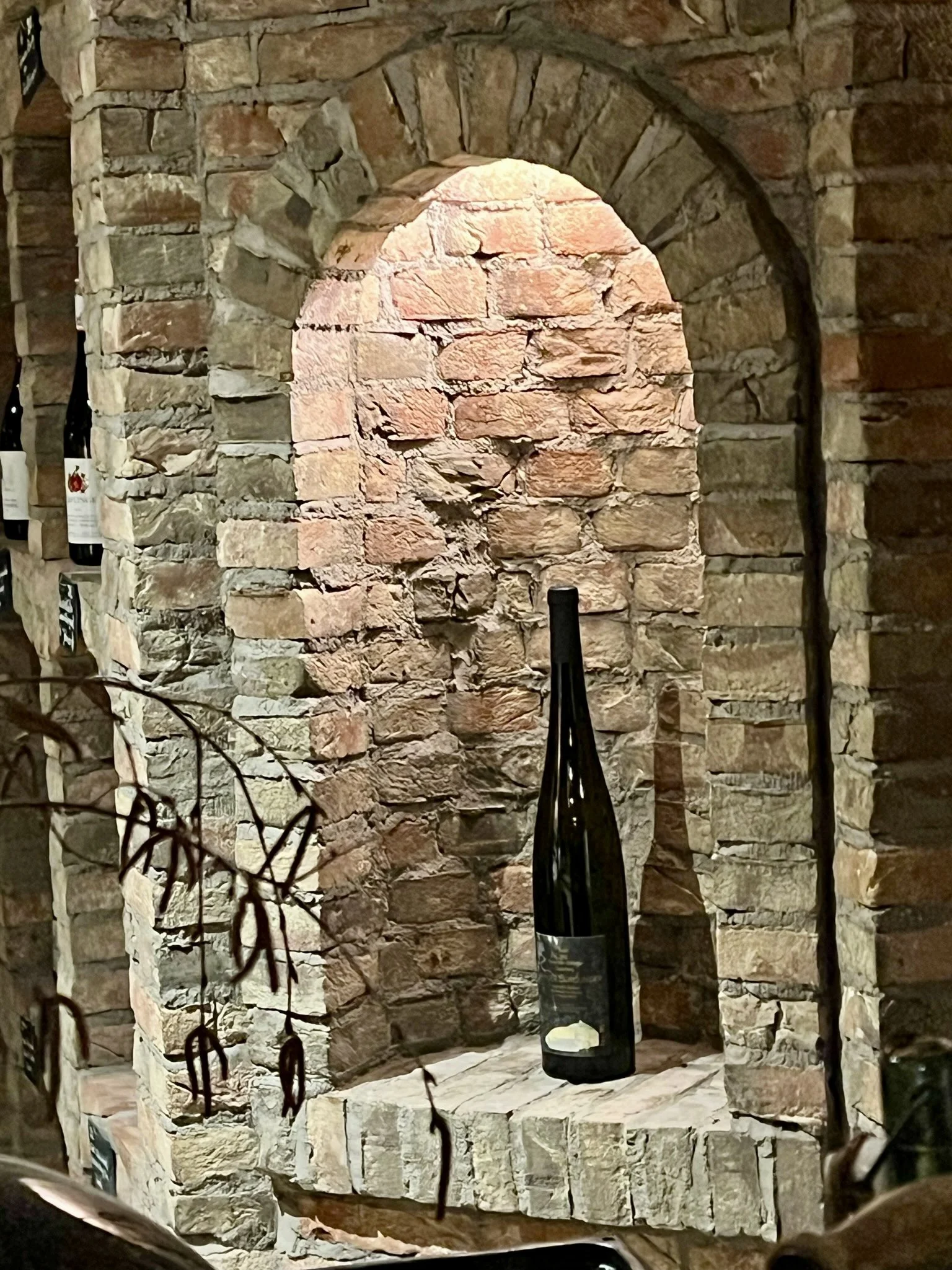
Exploring the Rhine River Valley, with vineyard roads leading toward the Kaiserstuhl region, one of Germany’s sunniest wine areas, known for Sylvaner, Pinot Noir, and Riesling
Day trip to Staufen, with its cobbled streets and half-timbered houses
Guided tour of the Roman spa ruins, remarkably well preserved after nearly 2,000 years
Food Notes: Simple regional fare with a mix of German and Alsatian influences, paired with local wines from the surrounding Rhine and Kaiserstuhl vineyards.
Colmar, France (2 Nights)
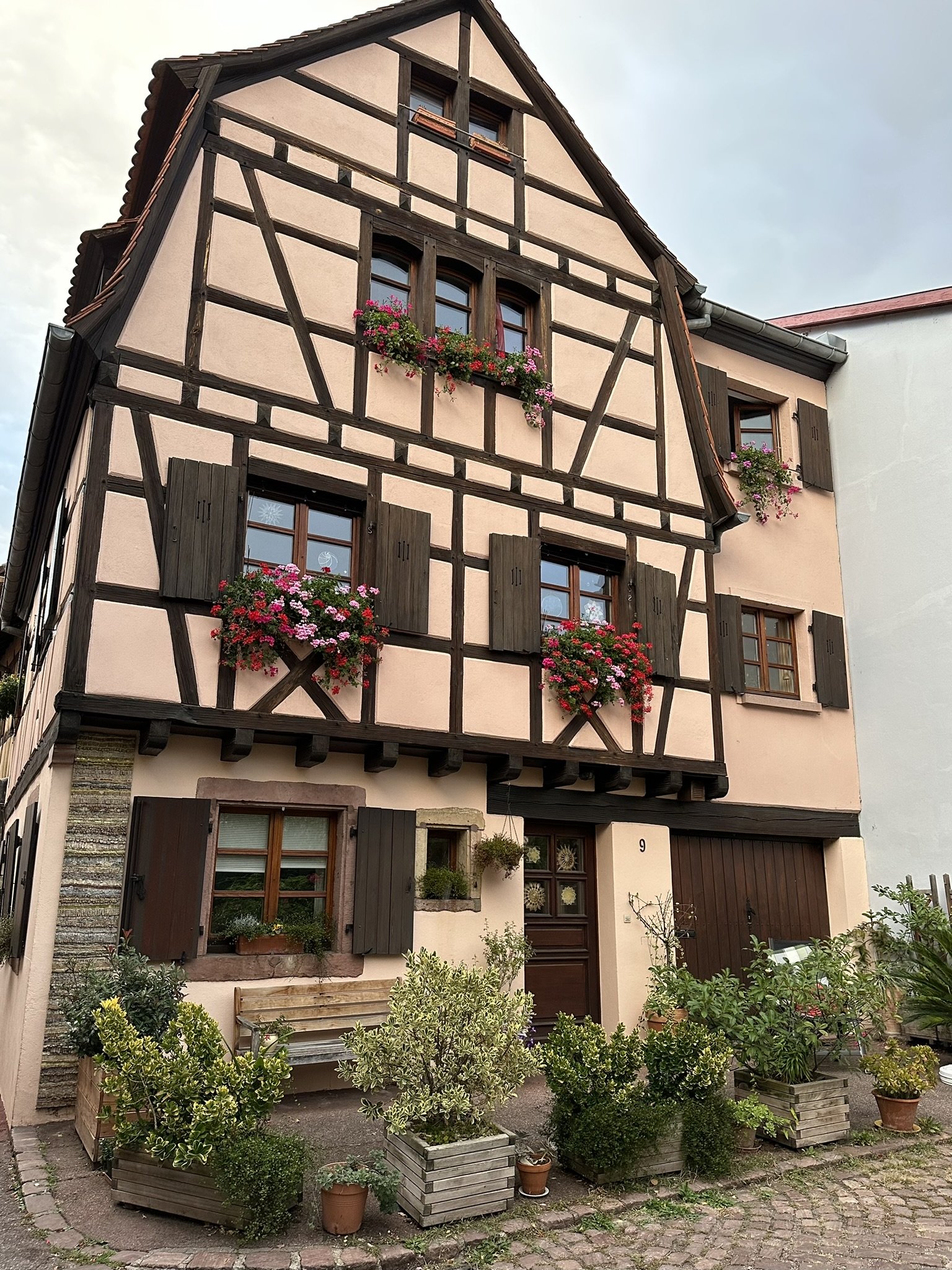
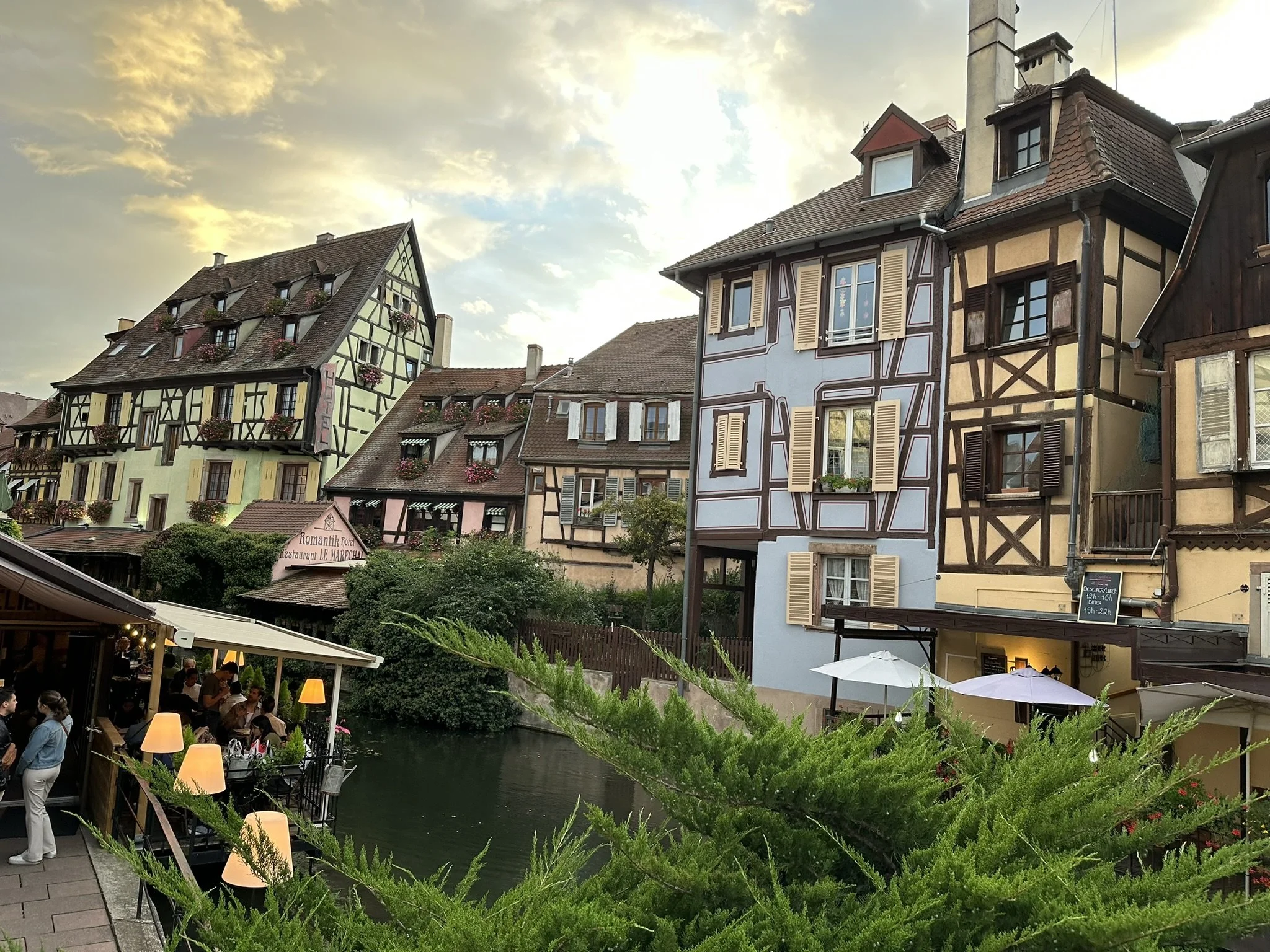
Why We Chose It: Colmar, often referred to as “La Petite Venise,” is one of the most picturesque towns in Alsace, known for its canals, pastel-colored half-timbered houses, flower-filled streets, and exceptionally well-preserved historic center. It serves as a central hub for exploring the Alsace Wine Route while offering a distinctly storybook setting.
Lodging: Le Colombier, a beautifully renovated 16th-century hotel located in the heart of Colmar’s Little Venice district, surrounded by narrow canals and cobblestone streets. Our top floor room
Memorable Activities
Boat ride in the canals, drifting through Colmar’s most scenic quarter, lined with colorful timber-framed buildings and flower boxes
Day trip to Neuf-Brisach, a UNESCO World Heritage site with perfectly preserved star-shaped fortifications commissioned by Louis XIV in 1698
Exploring the Route des Vins (Alsace Wine Route), passing through notable wine villages such as Gueberschwihr, Obermorschwihr, and Eguisheim
Wandering Eguisheim, a circular medieval village known for its cobblestone lanes, vibrant flowers, and designation as one of the “Most Beautiful Villages in France”
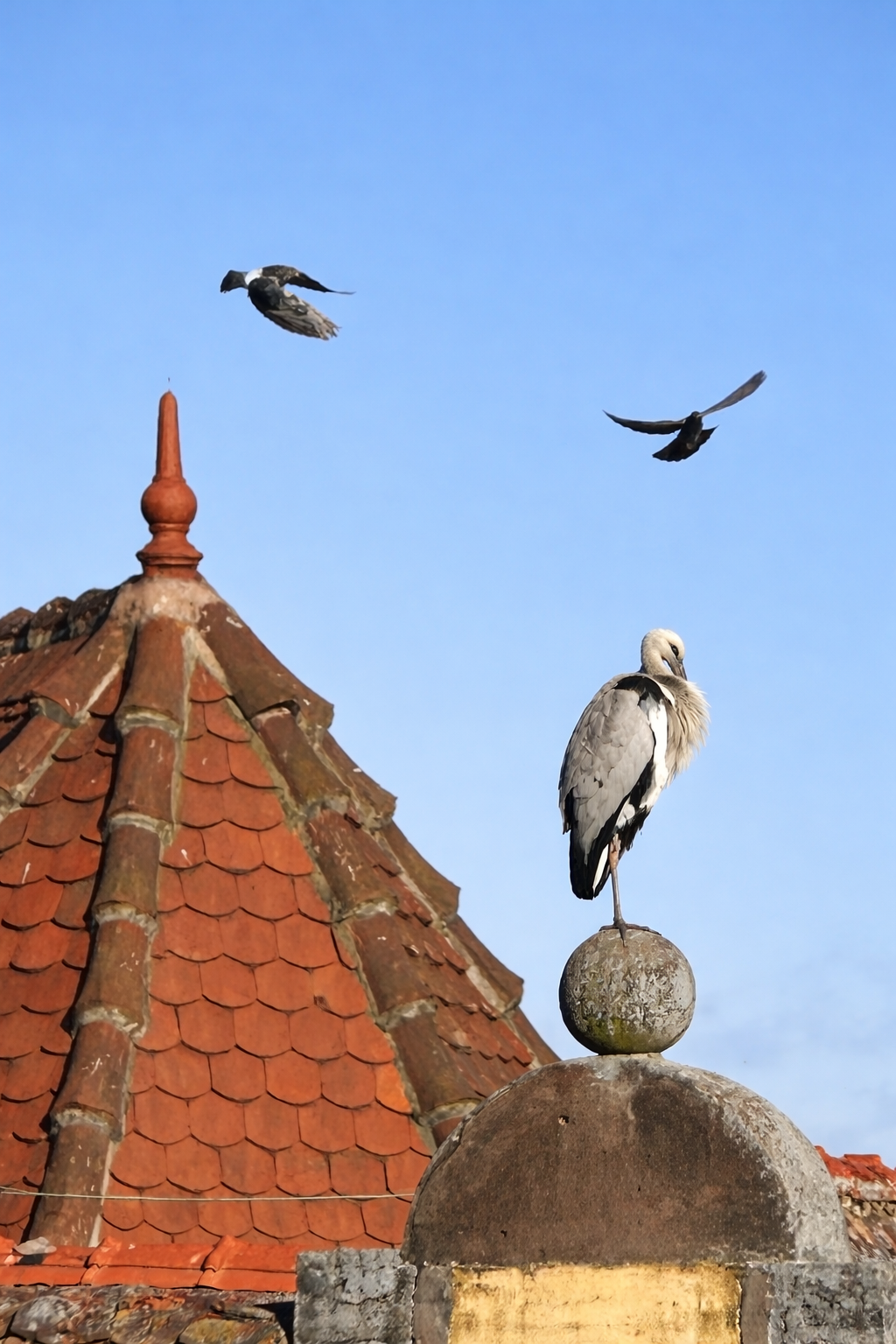
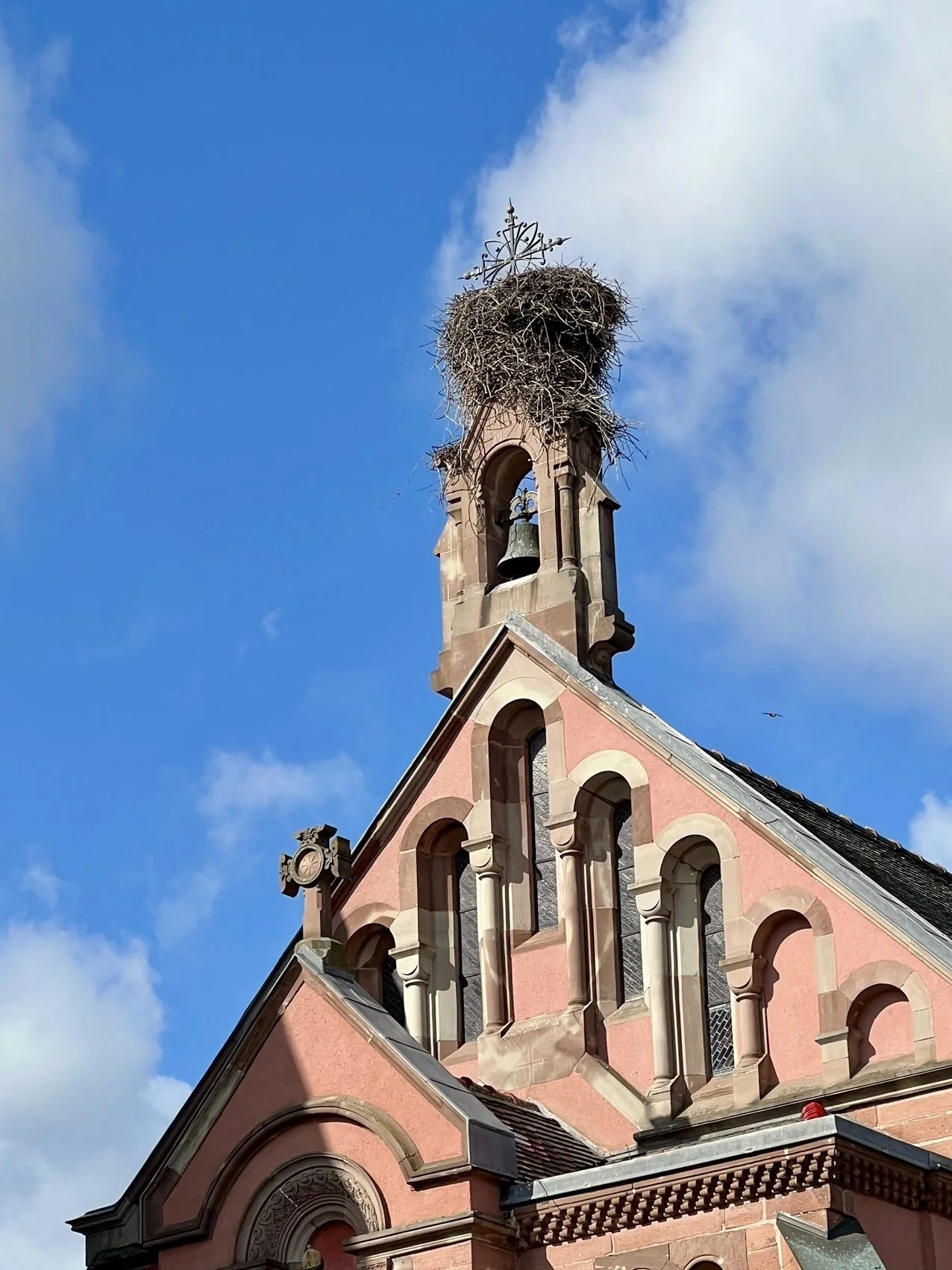
Spotting white storks (regional symbol of Alsace) and oversized stork nests perched on rooftops, chimneys, and church towers
Evening strolls through Colmar, when the canals and buildings are softly illuminated, especially around the pedestrian bridges adorned with love locks
Food Notes
Family-run wine cellar, featuring a home-hosted meal paired with local Alsatian wines
Wistub de la Petite Venise – Traditional regional cuisine enjoyed on a patio in the heart of Colmar
Les Incorruptibles – Casual, late-night drinks at a relaxed, slightly divey neighborhood pub
Obernai, France (2 Nights)
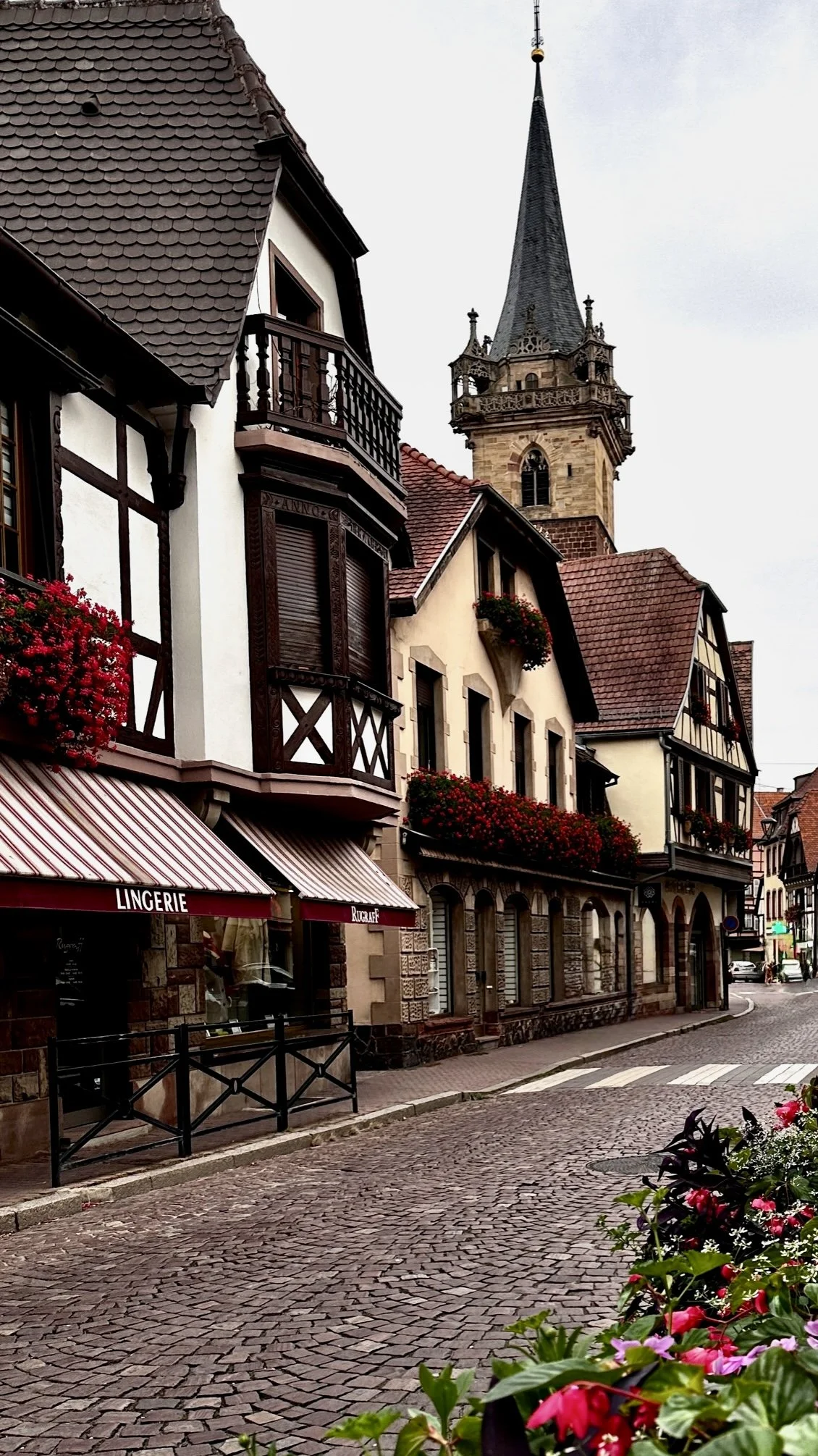
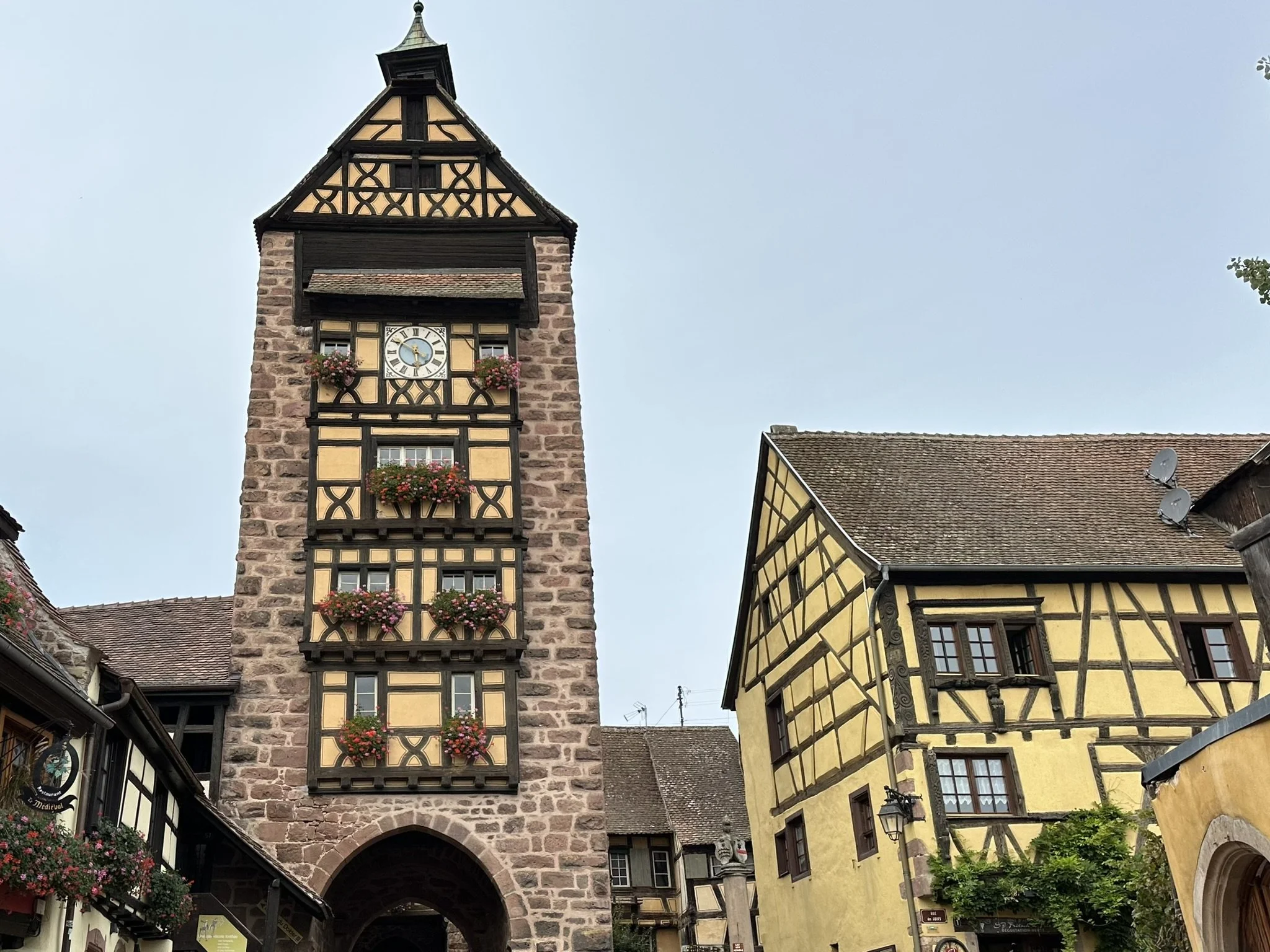
Why We Chose It: Obernai is known for its well-preserved medieval center, half-timbered houses, flower-filled squares, and relaxed small-town character. It makes an excellent base for exploring some of the Alsace Wine Route’s most picturesque villages, including Riquewihr and Ribeauvillé.
Lodging: Hôtel À la Cour d’Alsace, a four-star historic manor in the heart of Obernai. Once associated with the Court of Gail, the property blends traditional Alsatian architecture, exposed beams, and half-timbered exteriors with spacious rooms, a spa, fine dining, and large interior courtyards.
Memorable Activities
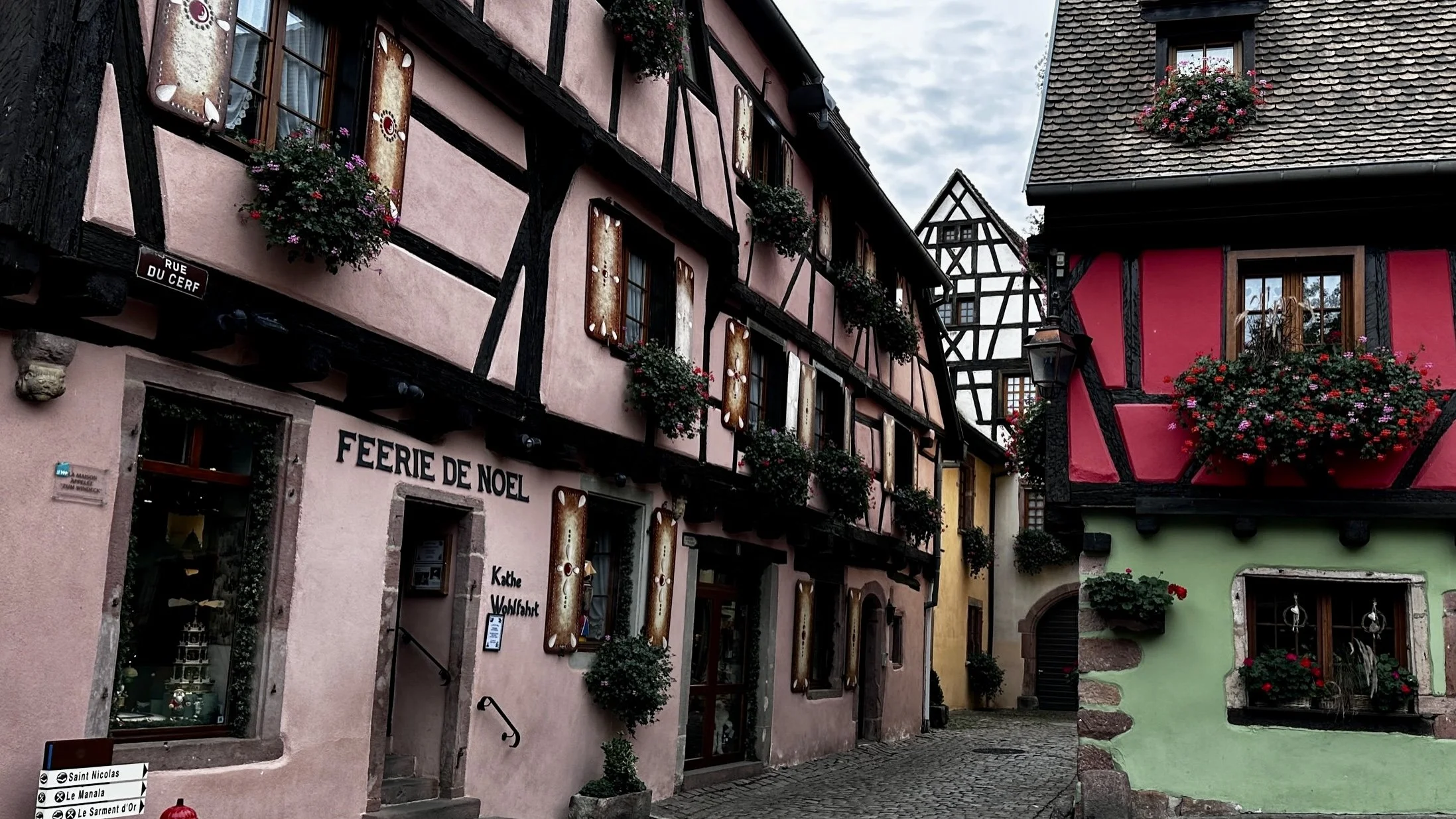
Leisurely wandering the storybook streets of Riquewihr, including a stop at the Féerie de Noël year-round Christmas shop
Spotting the three hilltop castles of Ribeauvillé rising above the vineyards
Taking in the broader Alsatian landscape, with rolling vineyards, church steeples, medieval villages, and the Vosges Mountains in the distance
Food Notes: Local cheeses, Riesling, and traditional Alsatian cuisine such as:
Tarte Flambée - (also called flammekueche) A thin Alsatian flatbread topped with crème fraîche, onions, and bacon lardons, then baked until crisp. It is often described as Alsace’s version of pizza, though it is lighter, thinner, and more rustic.
Choucroute - Alsace’s version of sauerkraut, typically served hot with a hearty assortment of sausages, smoked meats, and potatoes. It is one of the region’s signature comfort dishes and reflects Alsace’s blend of French and German culinary traditions.
This page may contain affiliate links, which means we may earn a small commission if you make a purchase through them at no additional cost to you.
Strasbourg, France (2 Nights)
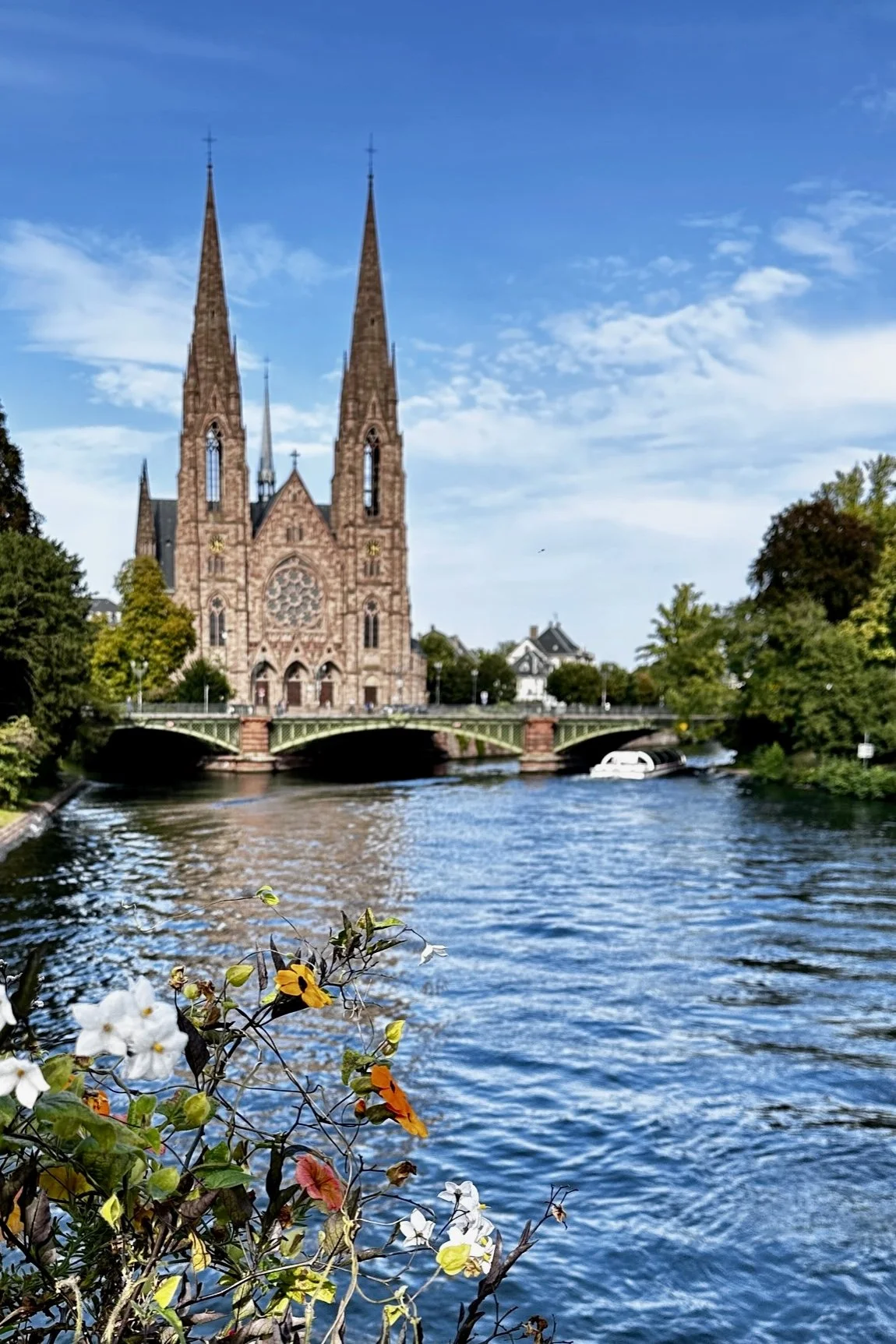
Why We Chose It: Strasbourg made a fitting final stop because it combines the grandeur of a major European city with the charm of Alsace’s smaller towns. Known for its Gothic cathedral, canal-lined historic center, and blend of French and German influences, it offers a more cosmopolitan finish to the trip while still feeling highly walkable and full of character.
Lodging: Hôtel Régent Contades, a four-star hotel set along the Ill River within walking distance of the cathedral and Strasbourg’s historic core. The property combines turn-of-the-century elegance with modern comforts and a refined, traditional feel.
Memorable Activities
Gentle cycling along the Bruche Canal, a peaceful and scenic route just outside the city
Taking a guided walking tour of Strasbourg, focused on the city’s major landmarks and historic neighborhoods
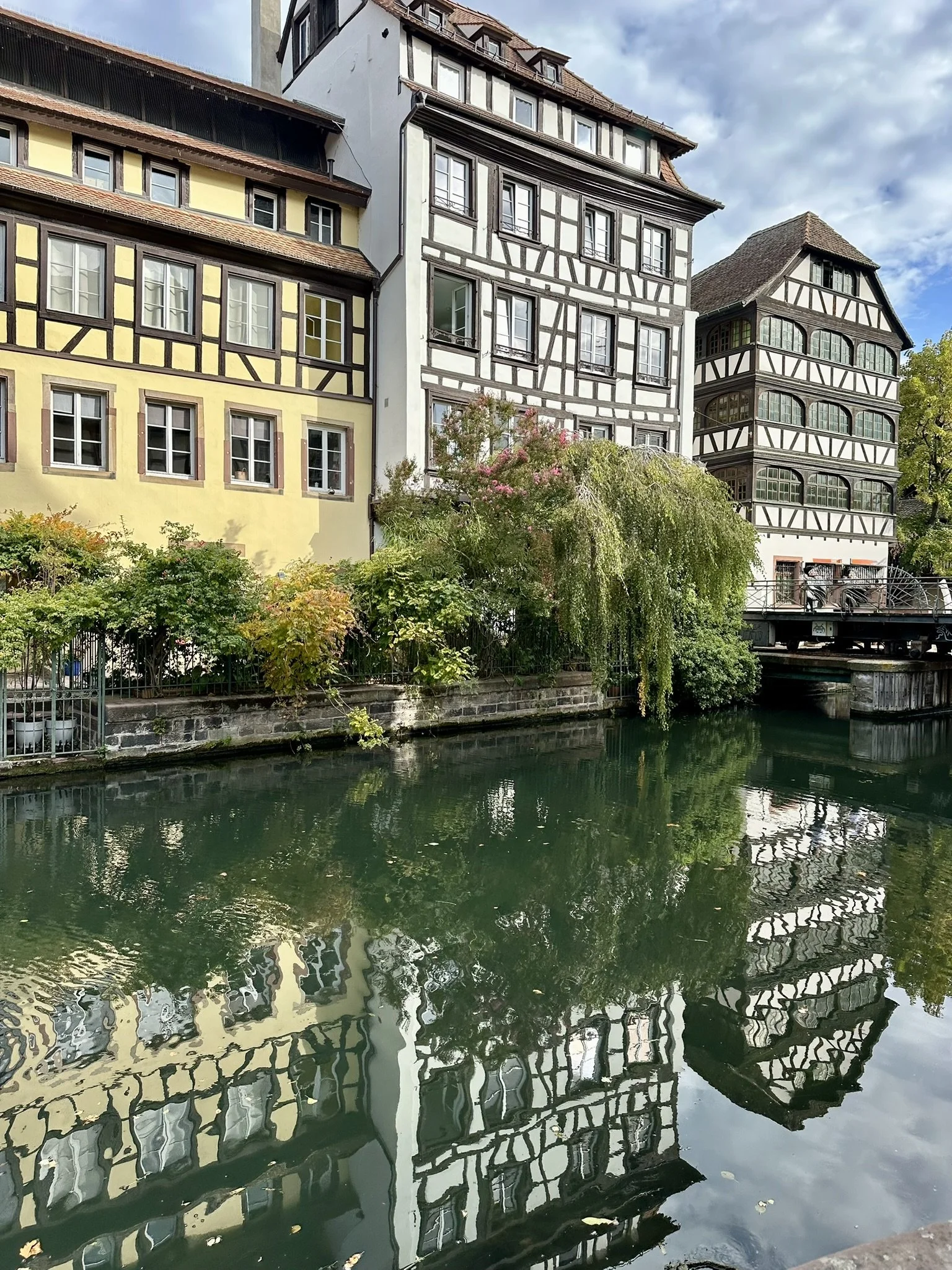
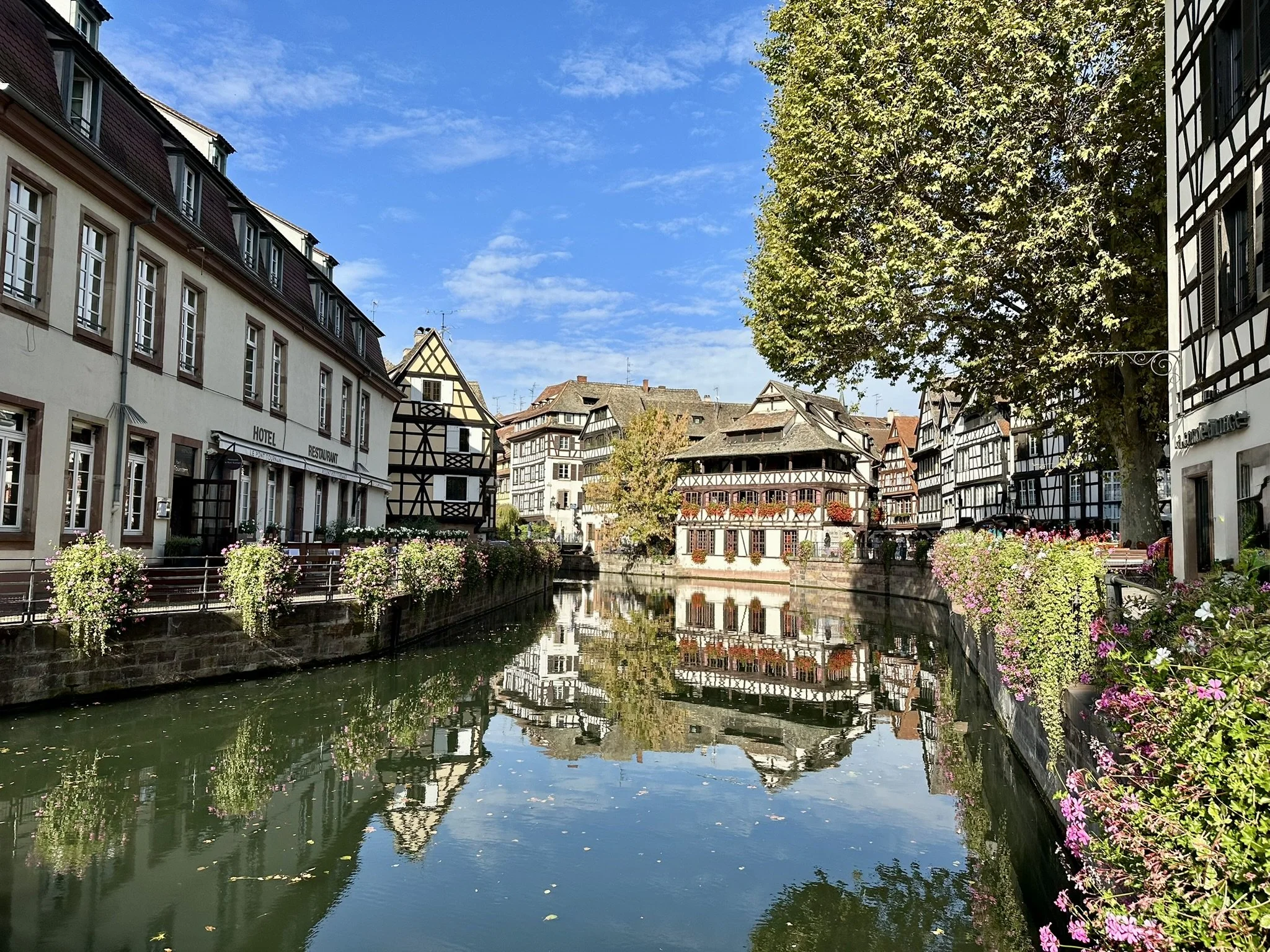
Strolling through the Tanners’ District (Petite France), known for its canals, half-timbered houses, and postcard-worthy views
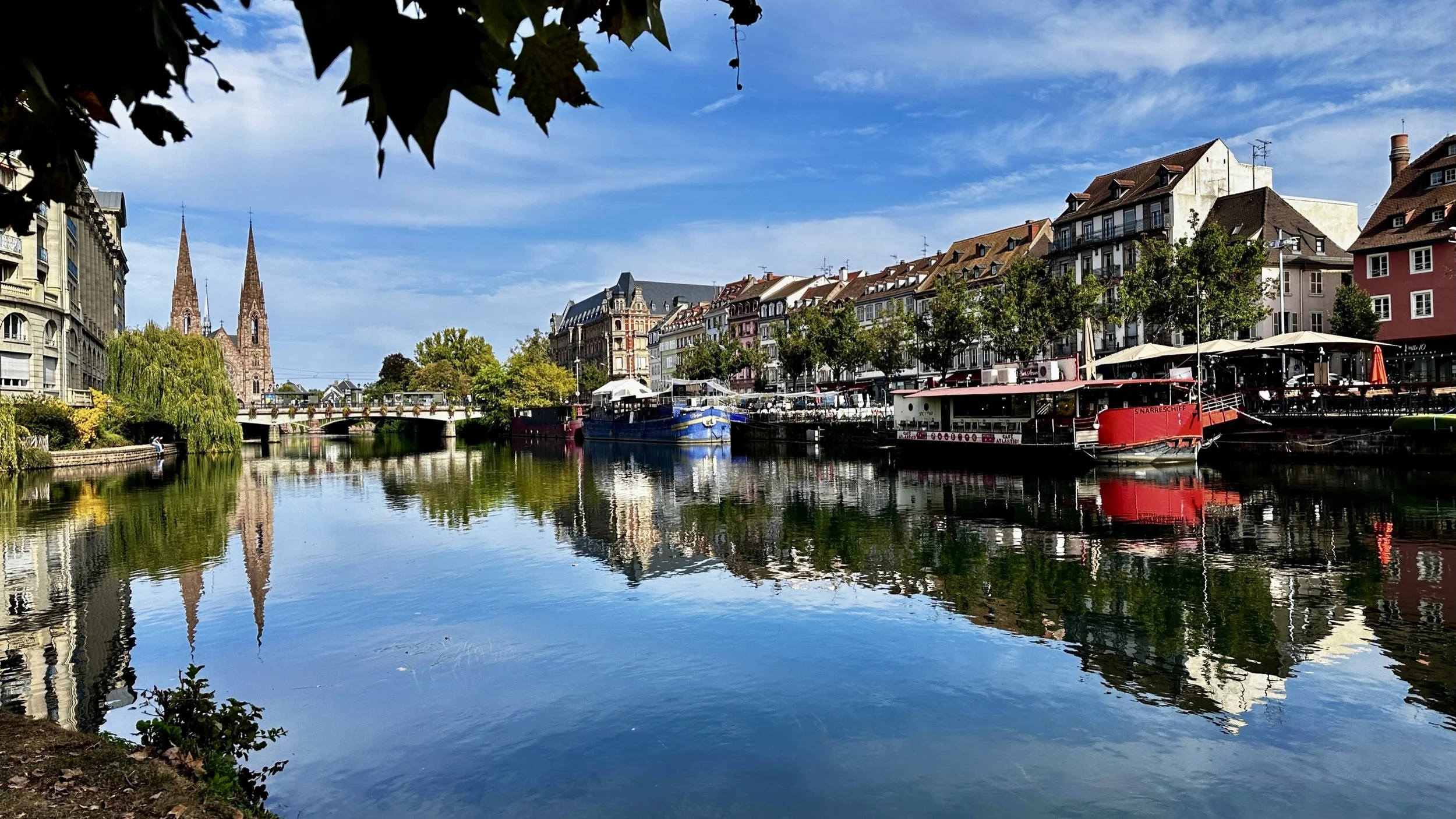
Admiring Strasbourg Notre-Dame Cathedral, famous for its highly ornate Gothic façade, rose window, and once being the tallest building in the world
Happening upon a lively food and wine festival, complete with tents, local specialties, and live music
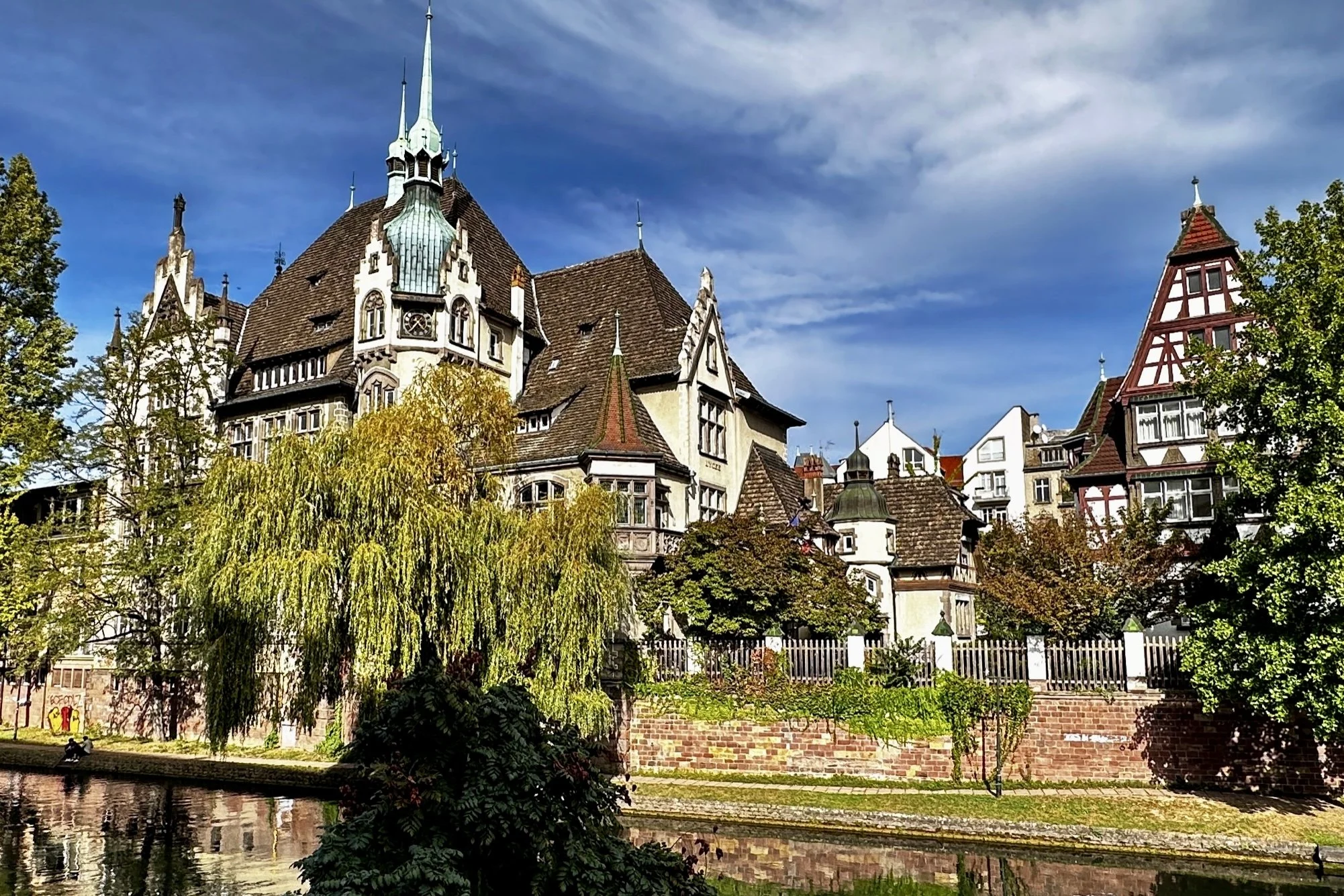
Appreciating the stunning architecture of the Strasbourg Lycée International des Pontonniers
Food & Drink Notes: Strasbourg’s cuisine reflects its position at the crossroads of France and Germany, with menus featuring tarte flambée, choucroute, sausages, pretzels, Riesling, and other Alsatian wines. Meals often blend traditional regional dishes with a more cosmopolitan dining scene.