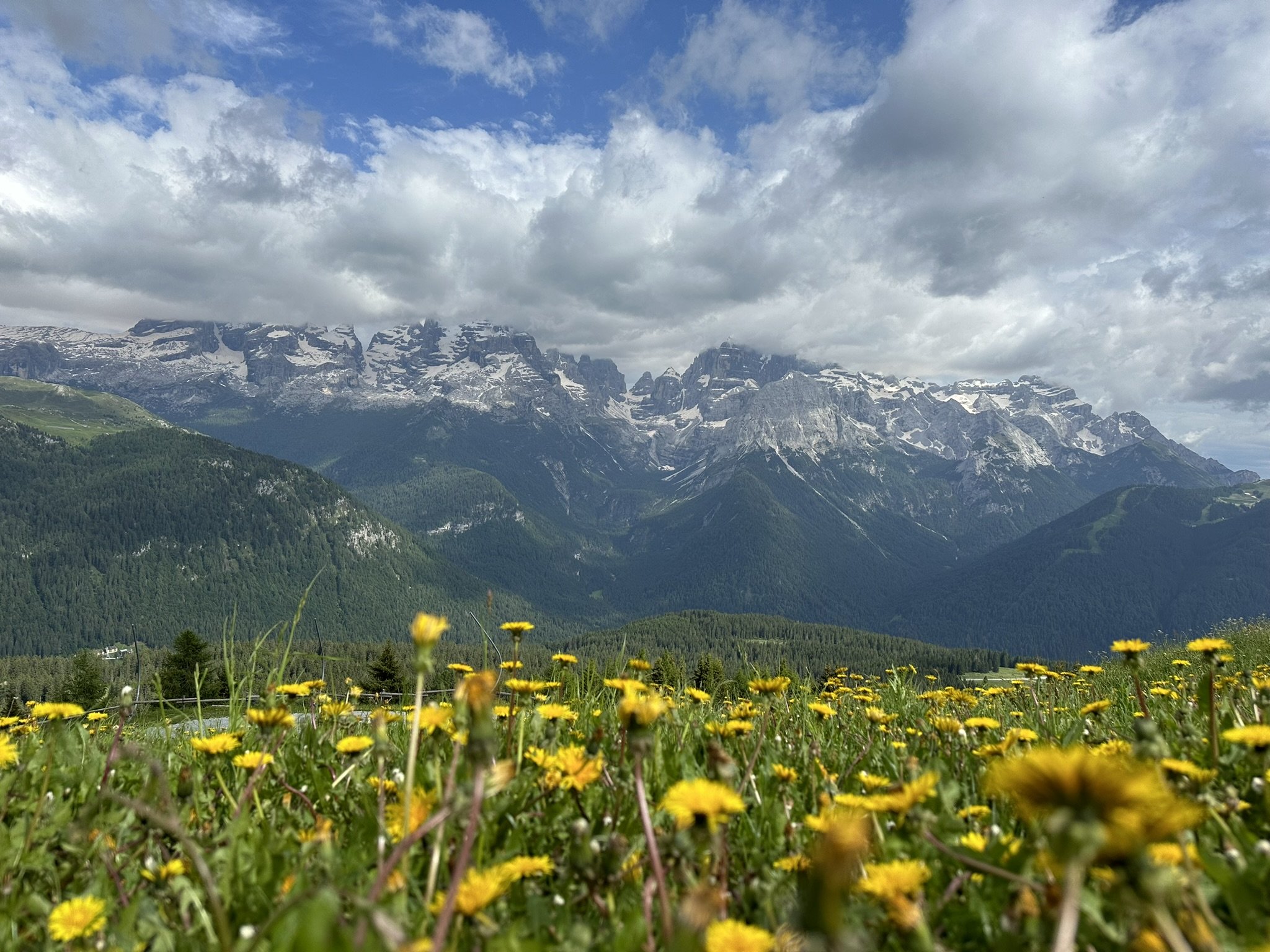
The Dolomites
This 19-day itinerary begins in southern Germany, crests in the Austrian Alps, and descends into Northern Italy.
At its core is a 6-day Dolomites cycling adventure with VBT Bicycling Vacations, with stops in Bolzano, Madonna di Campiglio, and Riva del Garda. The remainder of the journey was intentionally structured around that tour: a cultural pre-trip in Salzburg and a restorative post-trip in Bergamo.
Because our inbound flight arrived in Frankfurt and we were not seeking big-city intensity, we built in jet lag recovery time in Hanau and Regensburg. On the back end, we scheduled cycling recovery days in Bergamo before departing from Milan.
Both Regensburg and Bergamo are often overlooked yet richly rewarding, each with UNESCO-recognized heritage—always a compelling factor in our planning.
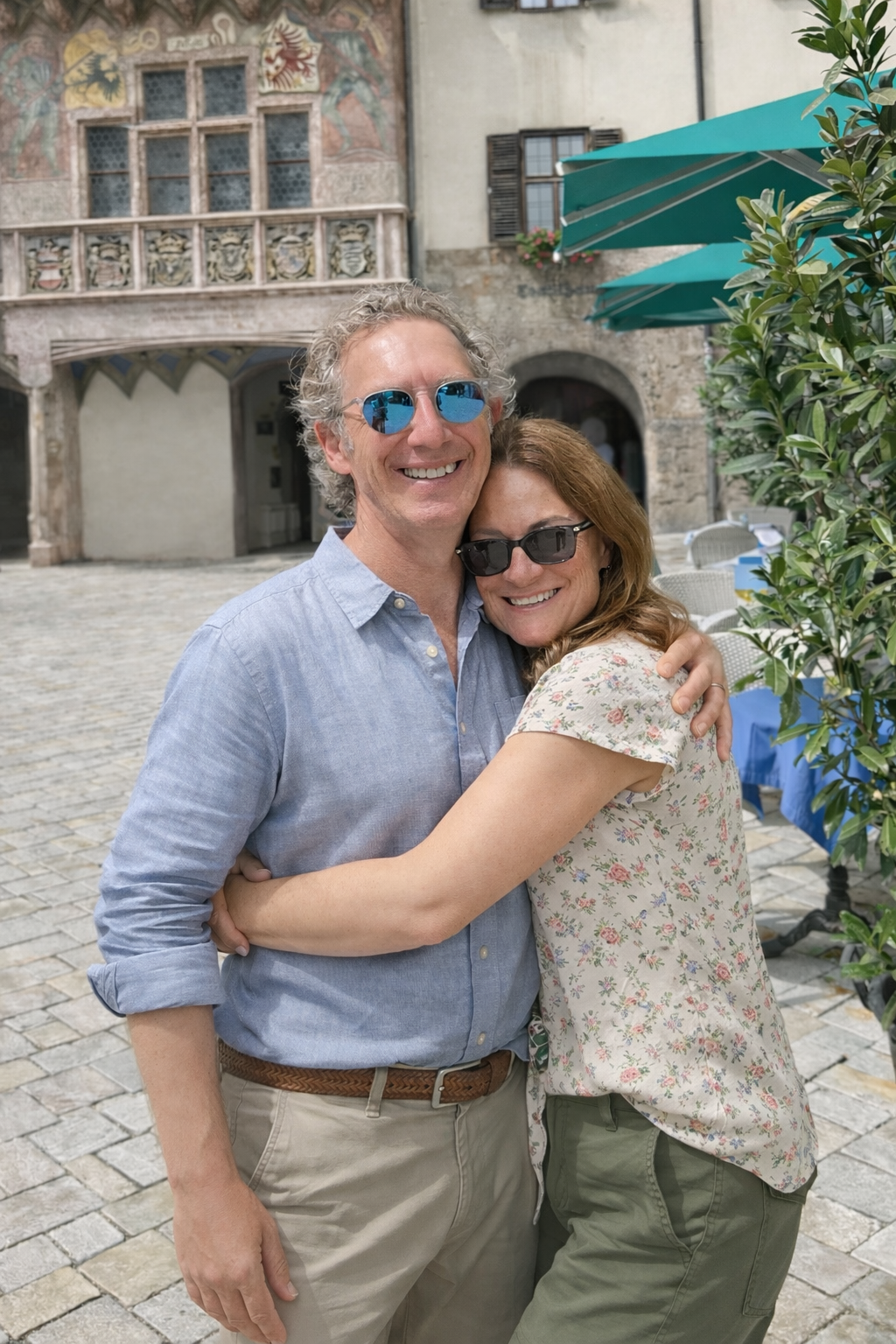
The Itinerary
Arrival: Frankfurt, Germany
Hanau, Germany (1 night). A short transfer from Frankfurt for a quiet recovery stop
Regensburg, Germany (2 nights). Medieval riverfront architecture, compact and walkable, with relaxed evenings
Salzburg, Austria (3 nights). Baroque elegance framed by alpine scenery, with distinctive regional excursions
Innsbruck, Austria (3 nights). Historic streets paired with immediate access to high-altitude panoramas
Bolzano, Italy (2 nights). A cultural gateway to the Dolomites where Italian and Austrian influences converge
Madonna di Campiglio, Italy (2 nights). A forested retreat in the Brenta Dolomites with a slower mountain rhythm
Riva del Garda, Italy (2 nights). Limestone cliffs, Mediterranean light, and lakefront promenades on Lake Garda
Bergamo, Italy (4 nights). An underrated Lombard base with the walled Città Alta above and the modern Città Bassa below
Departure: Milan, Italy
Hanau, Germany (1 Night)
Why we chose it: Hanau is a 20-minute taxi from Frankfurt Airport, an easy first stop after a long-haul flight.
Lodging: PLAZA Hotel Hanau. A mid-range hotel chosen for simplicity and comfort since our priority was sleep.
Memorable activities: Unstructured strolling through town with unexpectedly beautiful seasonal flower displays.
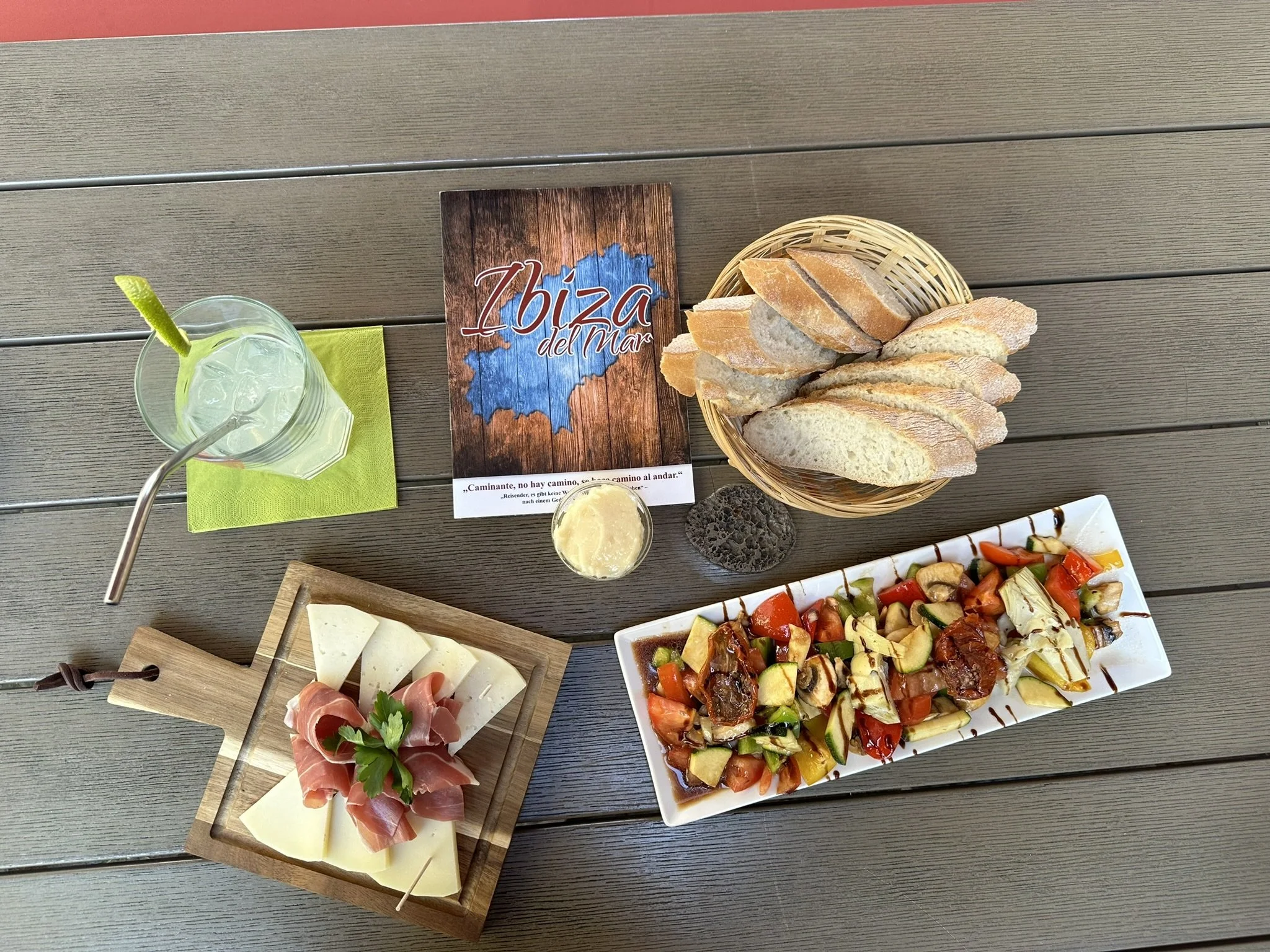
Food notes: An artistic charcuterie spread at Ibiza del Mar—casual, relaxed, and satisfying on night one.
Regensburg, Germany (2 Nights)
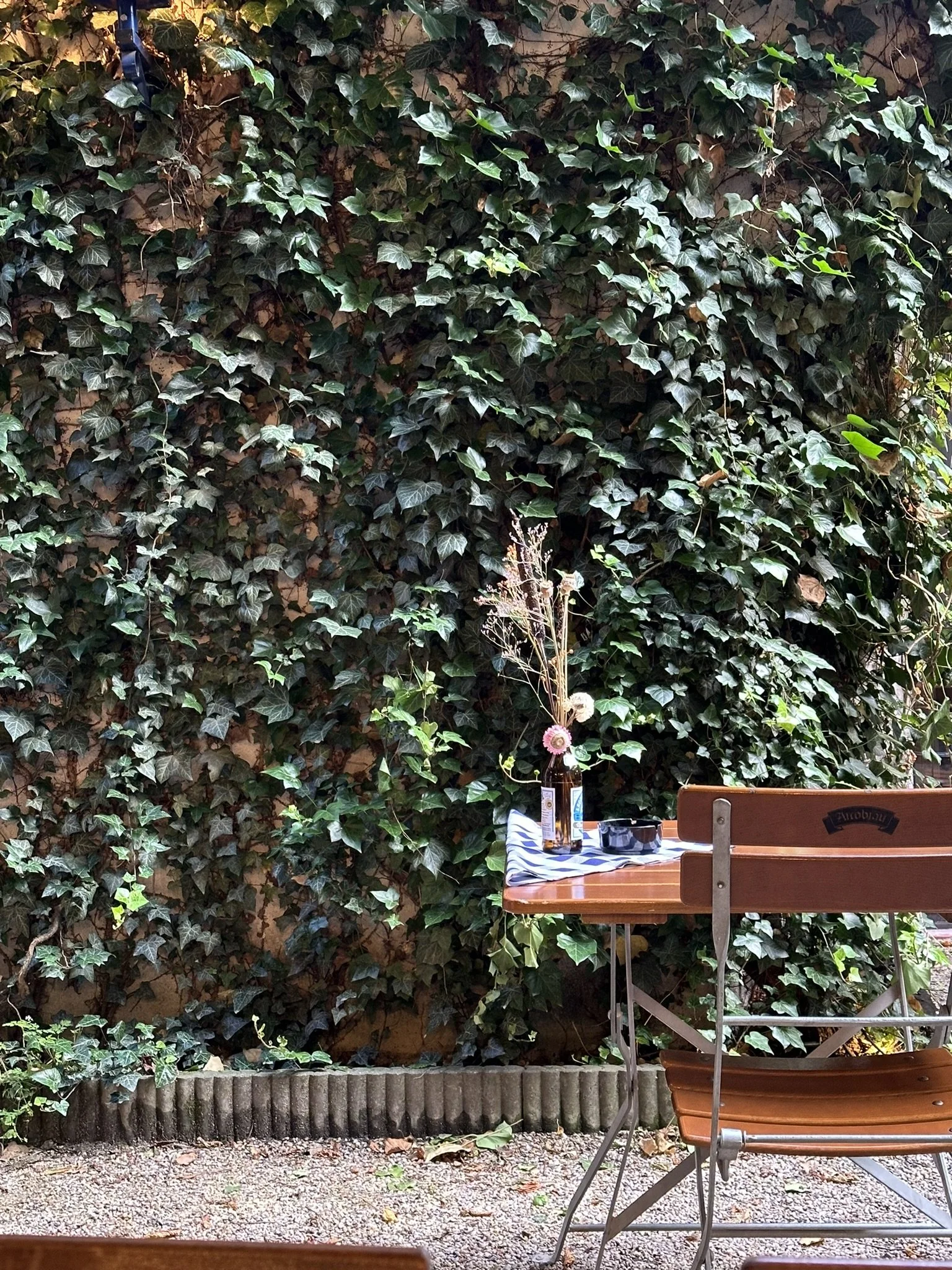
Why we chose it: Regensburg is an underrated Danube River city with UNESCO-listed Old Town status—compact, atmospheric, and easy to explore on foot.
Lodging: Hotel Goliath am Dom. Chosen for its location beside the cathedral and within steps of the historic core.
Atmosphere: The lobby and restaurant offered genuine Old World charm—warm, intimate, and distinctly Bavarian.
Room notes: Comfortable and serviceable, though not especially distinctive.
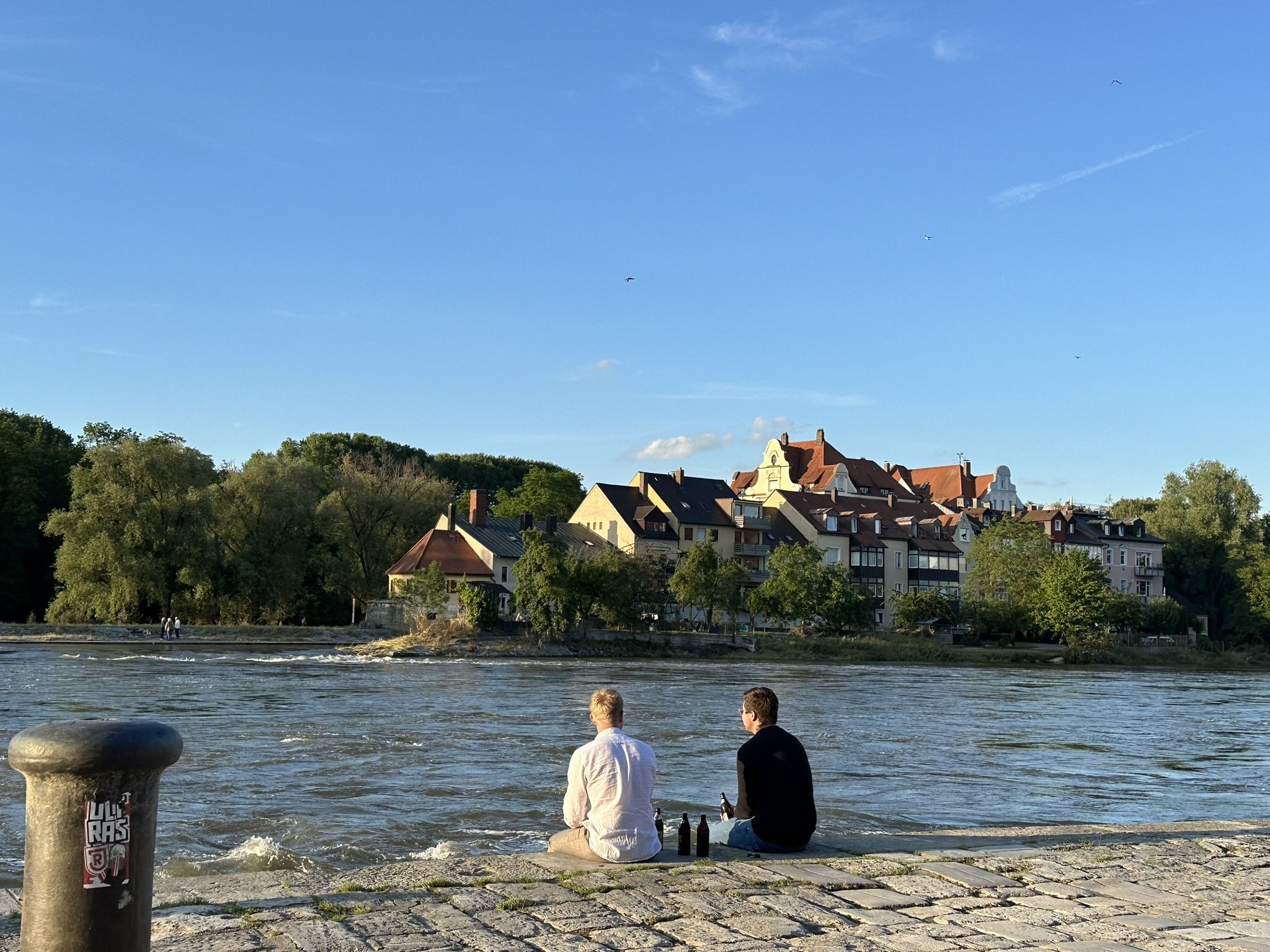
Memorable activities: Sunset along the Danube, where locals gathered with beer and picnic baskets. A simple, communal ritual that felt authentic and uncurated.
Food notes:
Bratwurst at the historic Historische Wurstküche, said to be the oldest sausage kitchen in the world (12th century). The riverside setting outshined the sausage.
A pleasant patio lunch at Weltenburger am Dom, the city outpost of the historic Weltenburg monastery brewery.
Classic Bavarian biergartens throughout town—intriguing murals, hearty fare, and generous outdoor seating.
Salzburg, Austria (3 Nights)
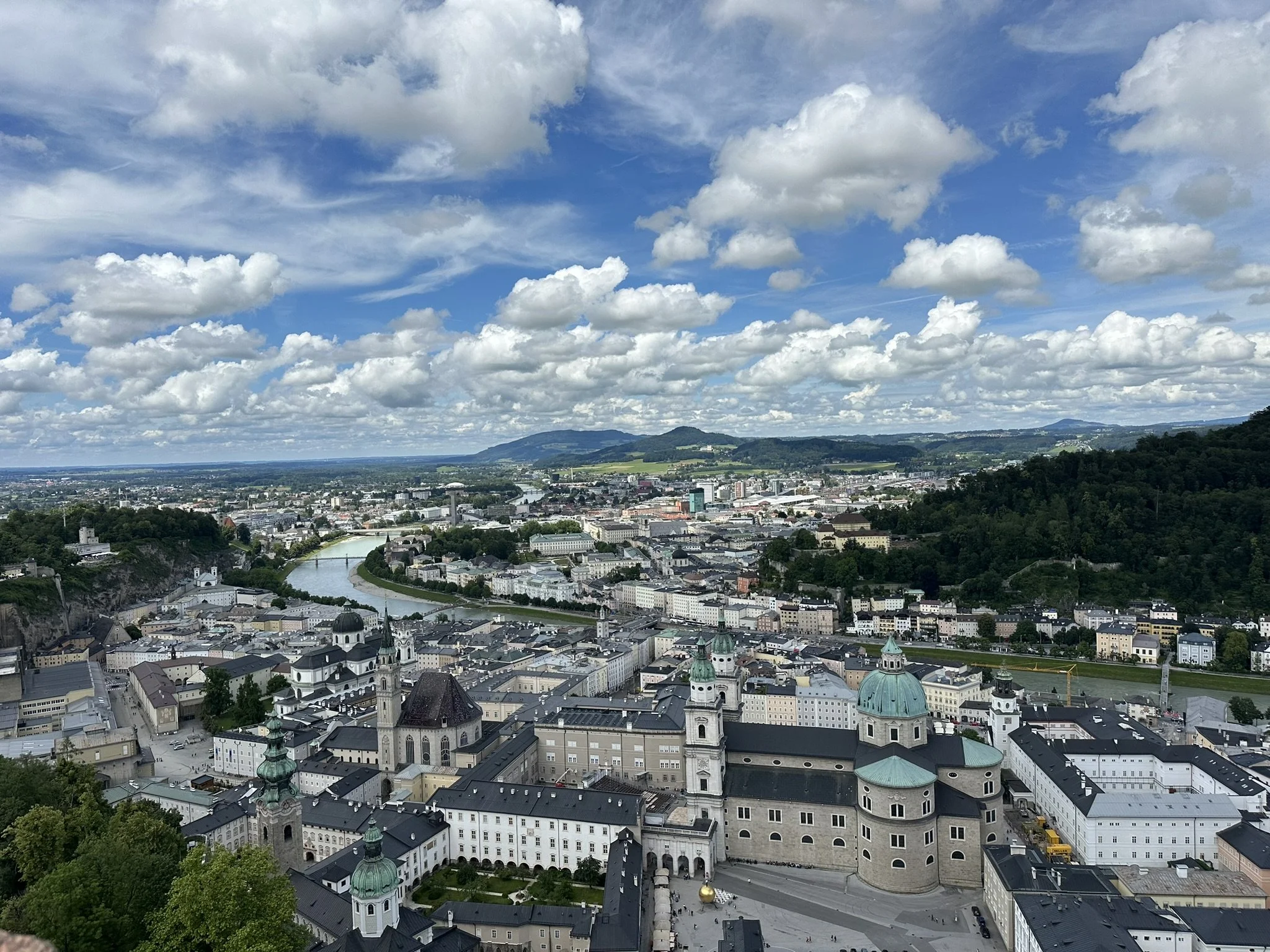
Why we chose it: Salzburg is known for its Baroque architecture, ornate churches, fortress views, riverfront setting along the Salzach, and its alpine backdrop.
Lodging: Hotel & Villa Auersperg Salzburg. Selected for its quiet residential location just outside the busiest core and its beautifully landscaped, Zen-inspired grounds.
Atmosphere: Exceeded expectations. The gardens felt like a private retreat—quiet, contemplative, and impeccably maintained. The restaurant and bar were excellent, and service was polished without being formal. A Finnish sauna and steam bath lead to a rooftop terrace adorned with flowers and statuary.
Room notes: The Superior Garden Room was worth the upgrade for added privacy and peaceful garden views.
Memorable activities:
Rick Steves’ Audio Walking Tour: A practical and well-structured introduction to the city, culminating at Hohensalzburg Fortress for sweeping views of the city. The route also led us through St. Peter's Cemetery, a striking historic cemetery maintained for centuries, where many burial plots remain under the stewardship of local families.
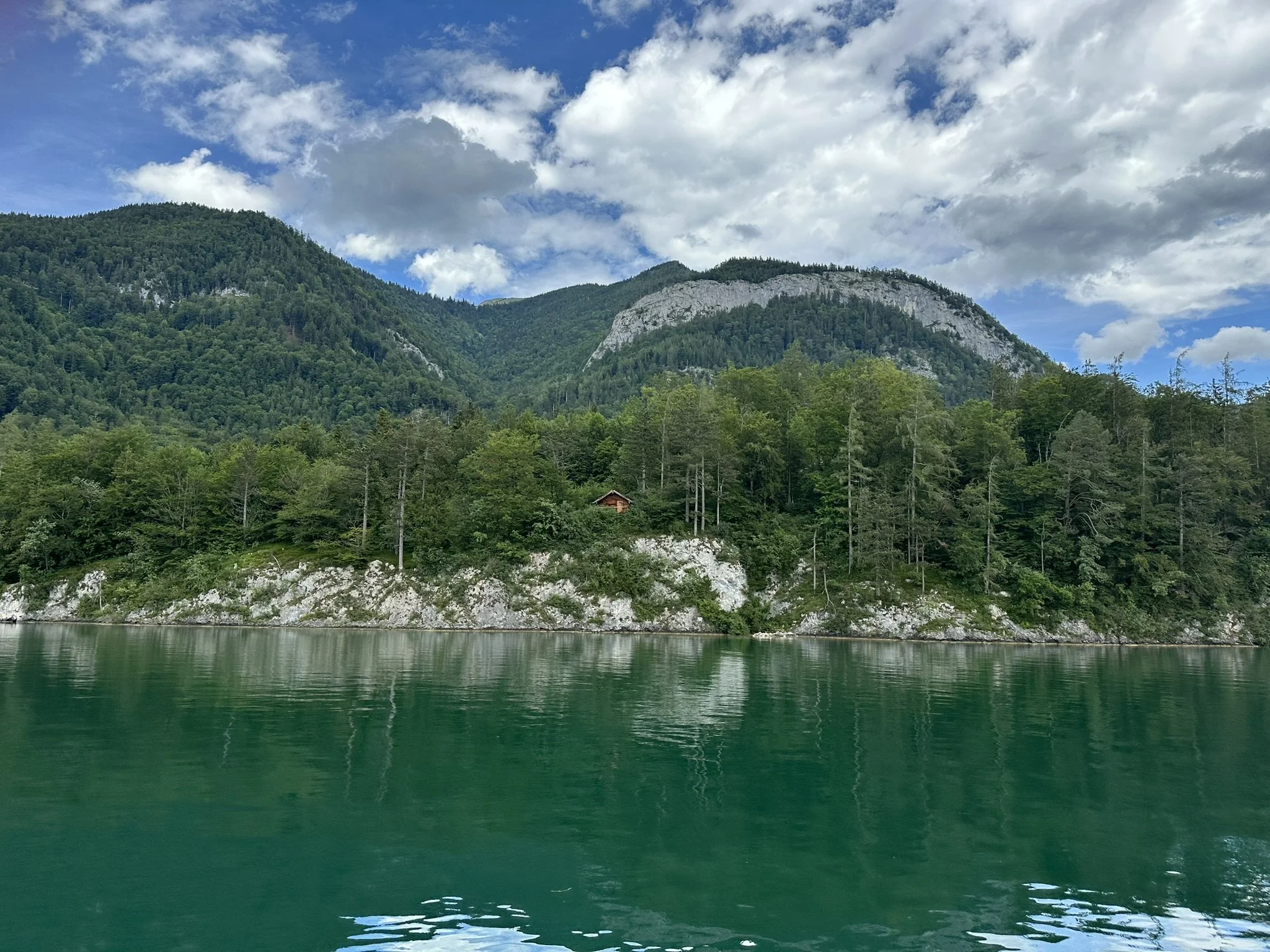
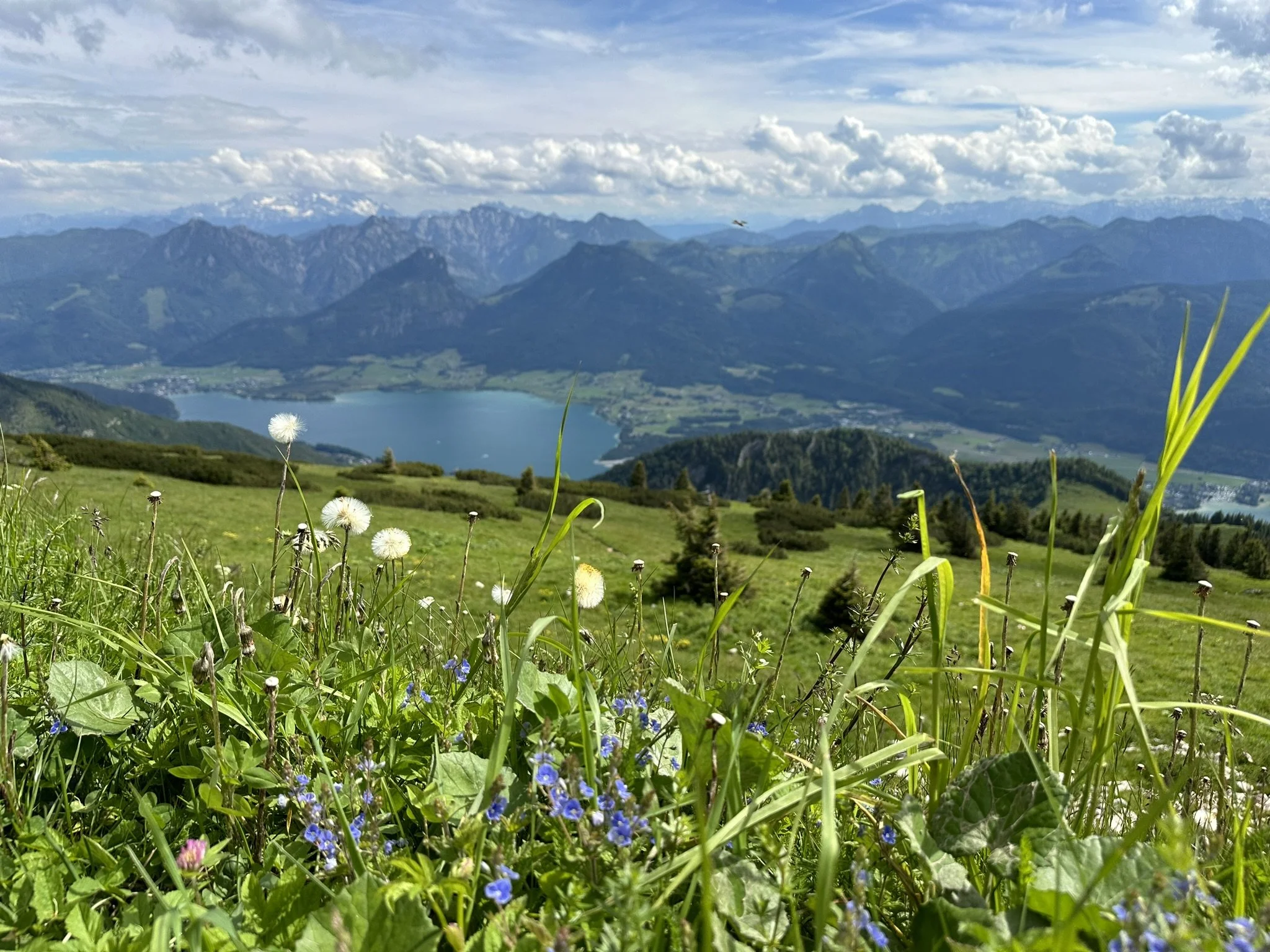
Lake District Excursion: Day trip to Sankt Gilgen, followed by a ferry across Wolfgangsee. From St. Wolfgang, we boarded the quaint, coal-powered Schafberg Railway cog train to the summit of Schafberg for expansive lake-and-mountain views.
Food notes: Relaxed outdoor patios and a range of elegant dining options—expertly crafted cocktails, fine wines, and globally inspired cuisine alongside Austrian classics.
Innsbruck, Austria (3 Nights)
Why we chose it: A compact alpine capital where historic streets meet stunning mountain drama.
Lodging: Hotel Schwarzer Adler. Selected for its central location—easy access to the Old Town, the Inn River promenade, and a strong lineup of restaurants.
Atmosphere: Warm, regional décor with a distinctly Tyrolean character.
Room notes: Comfortable and efficient, though on the smaller side.
Memorable activities:
Old Town circuit: We often book a guided walking tour upon arrival in a new city. In Innsbruck, it provided helpful context for the Golden Roof district and the city’s Habsburg-era layers.
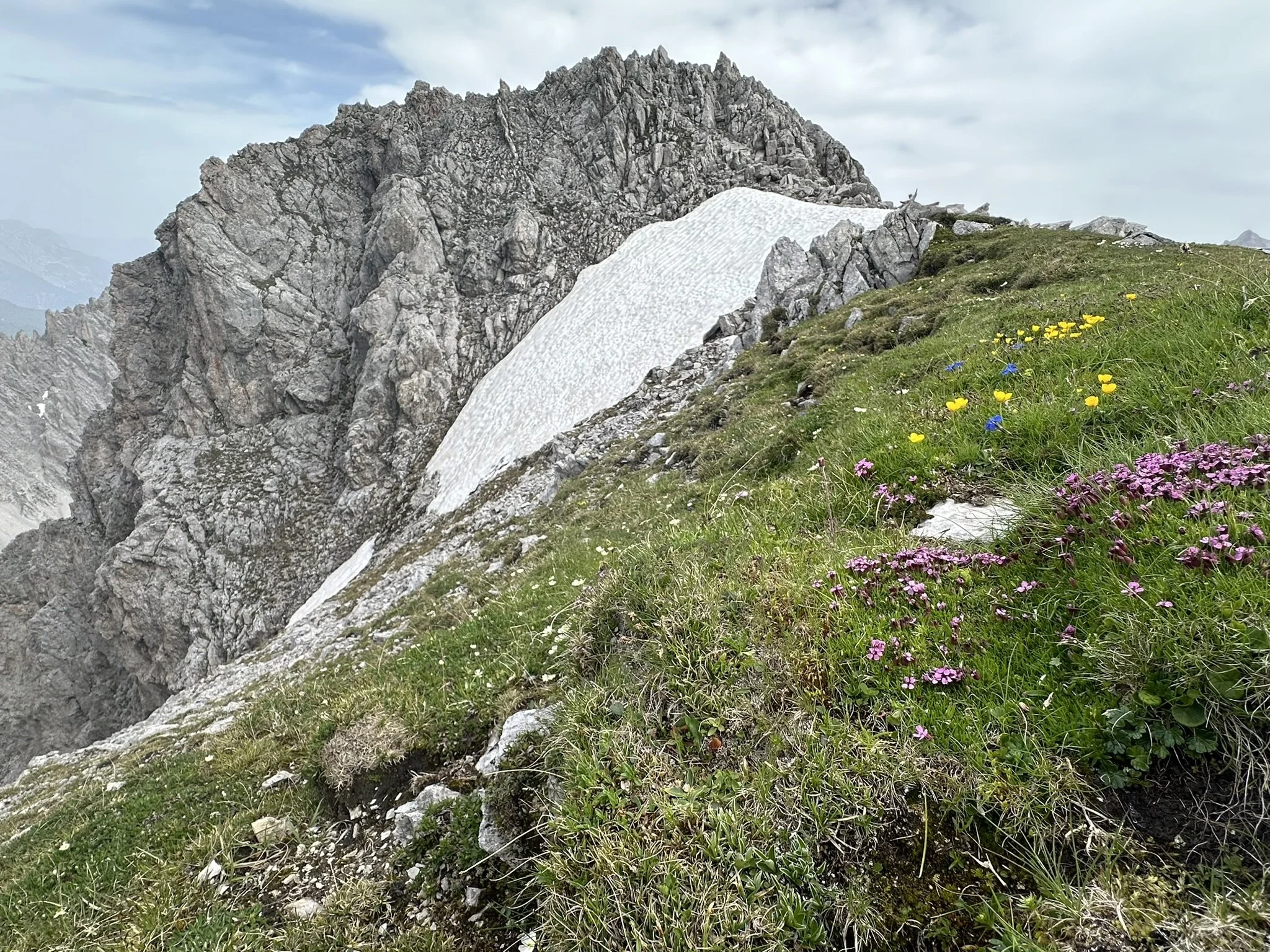
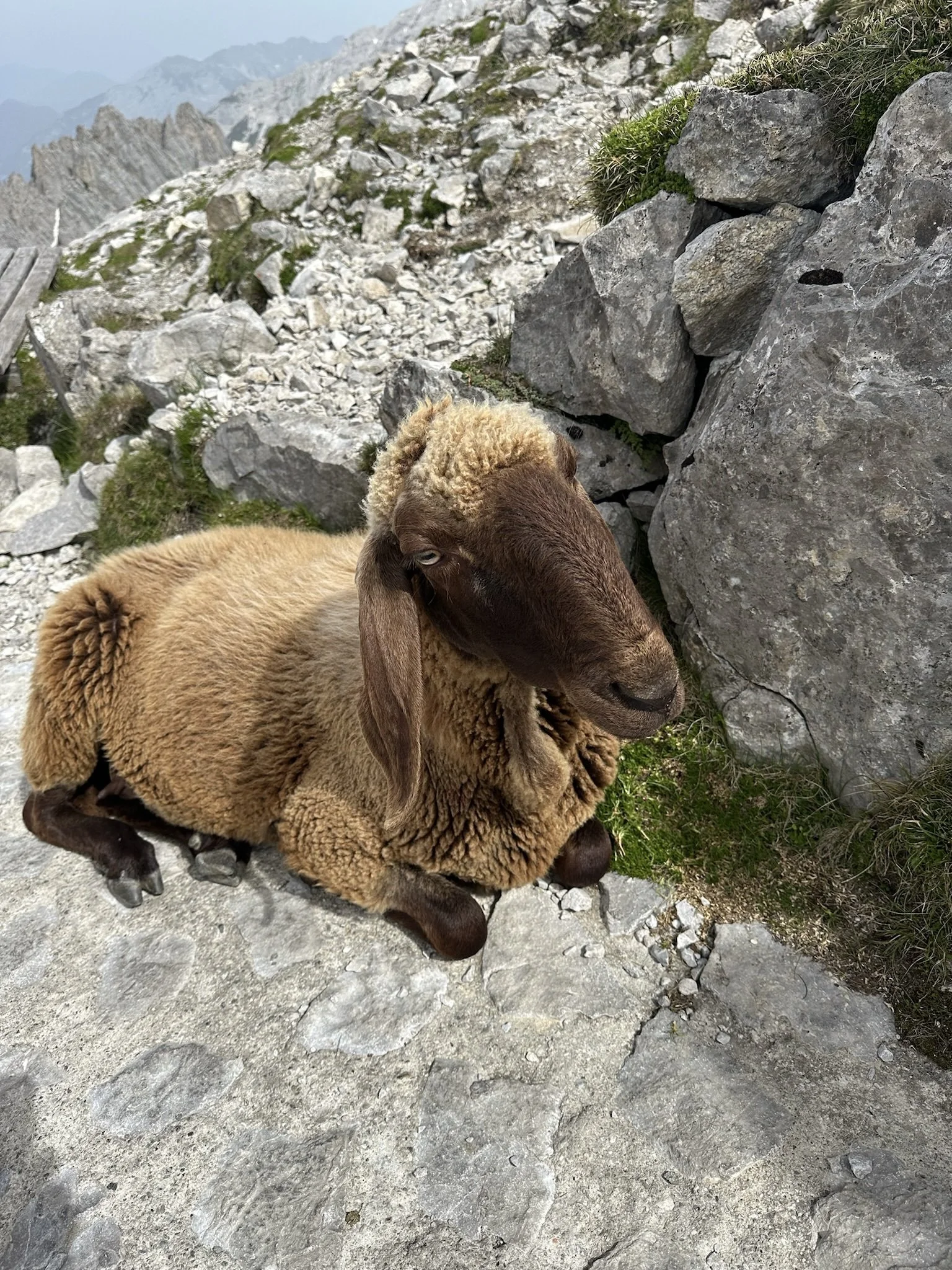
Nordkette Cable Car: The signature experience! Funiculars and cable cars transport you from city center to sweeping alpine panoramas. Dramatic ridgelines, crisp mountain air—and an unexpected sighting of chamois grazing and chillaxing along the slopes.
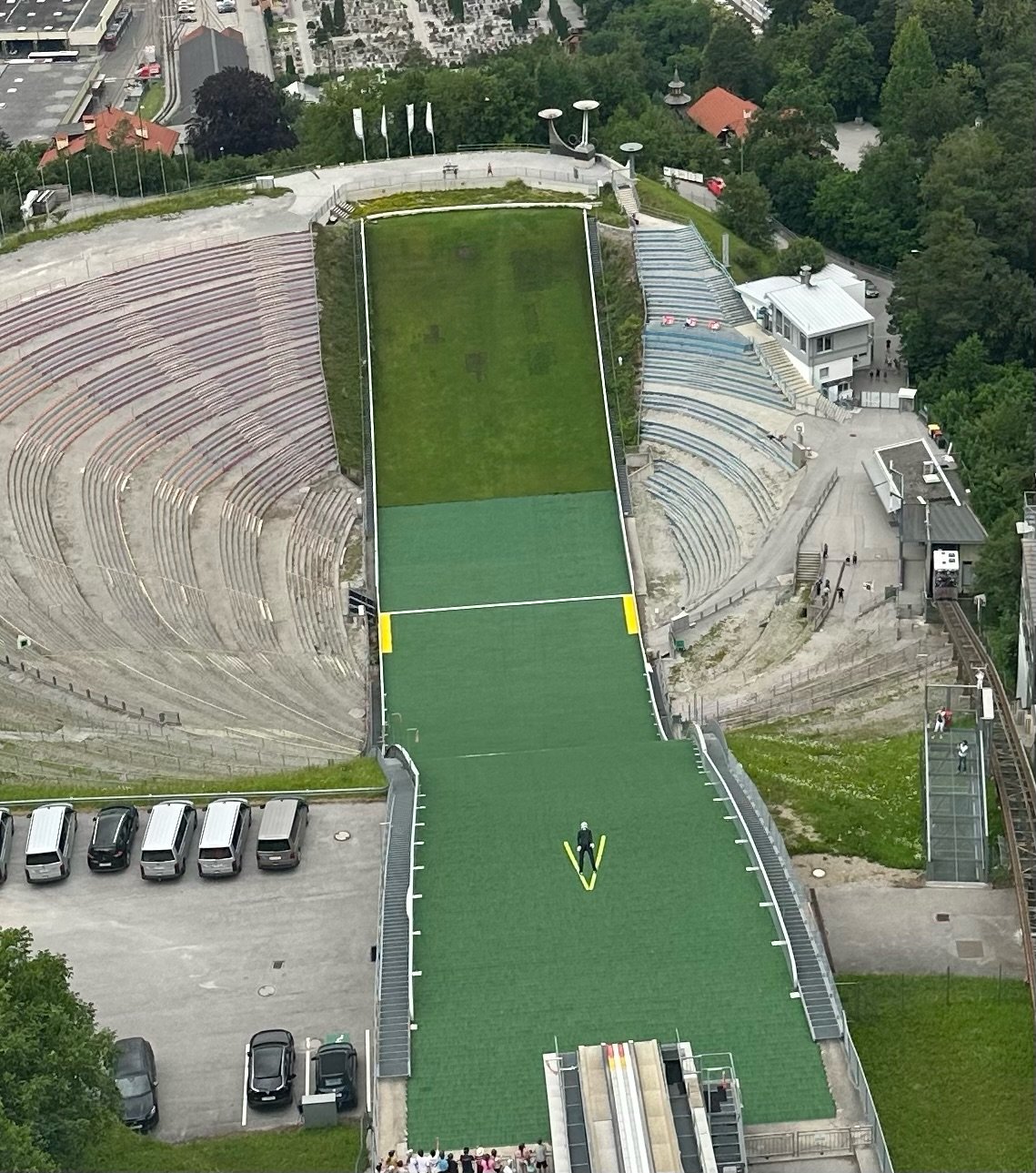
Bergisel Ski Jump: The former Olympic site, marked by its iconic structure and three torches, is both inspiring and humbling. Even in summer, athletes were training. Fun fact: during off-season practice, the chute is watered before each run to replicate winter glide conditions.
Food notes: Classic Tyrolean comfort food, including knödel (dumplings) and hearty alpine fare.
Bolzano, Italy (2 Nights)
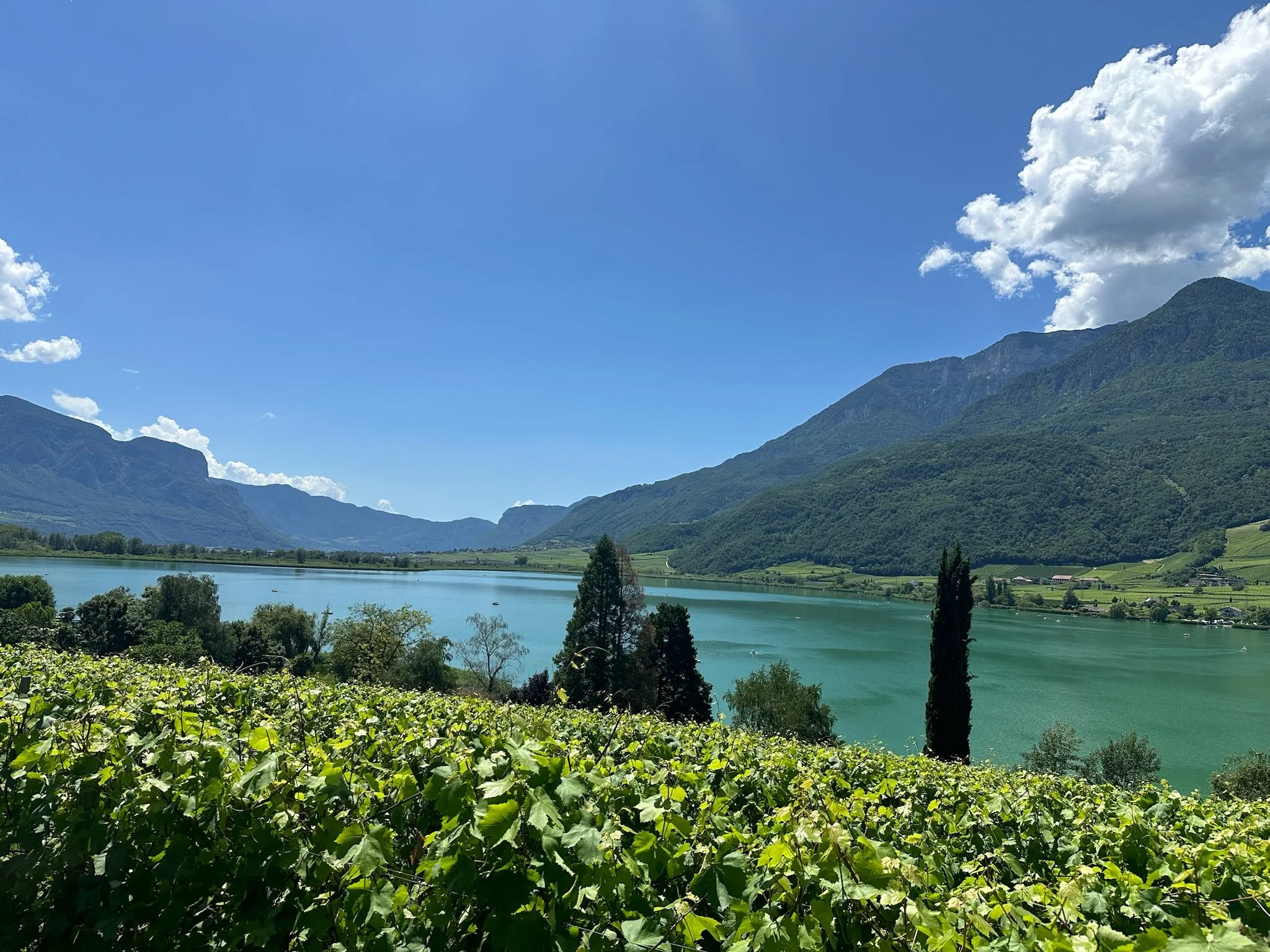
Why we chose it: Bolzano serves as the gateway to the Dolomites, where Austrian and Italian influences intersect in architecture, language, cuisine, and wine culture. It marks a clear transition from Austria into Northern Italy—without losing its alpine character.
Lodging: Parkhotel Laurin. Opened in 1910, the property reflects classic grand-hotel elegance with historic detailing.
Atmosphere: Refined and polished, both inside and out. The manicured gardens, shaded terraces, and curated sculptures create a composed, almost cinematic setting.
Room notes: The Standard Room was spacious, traditional in style, and impeccably maintained.
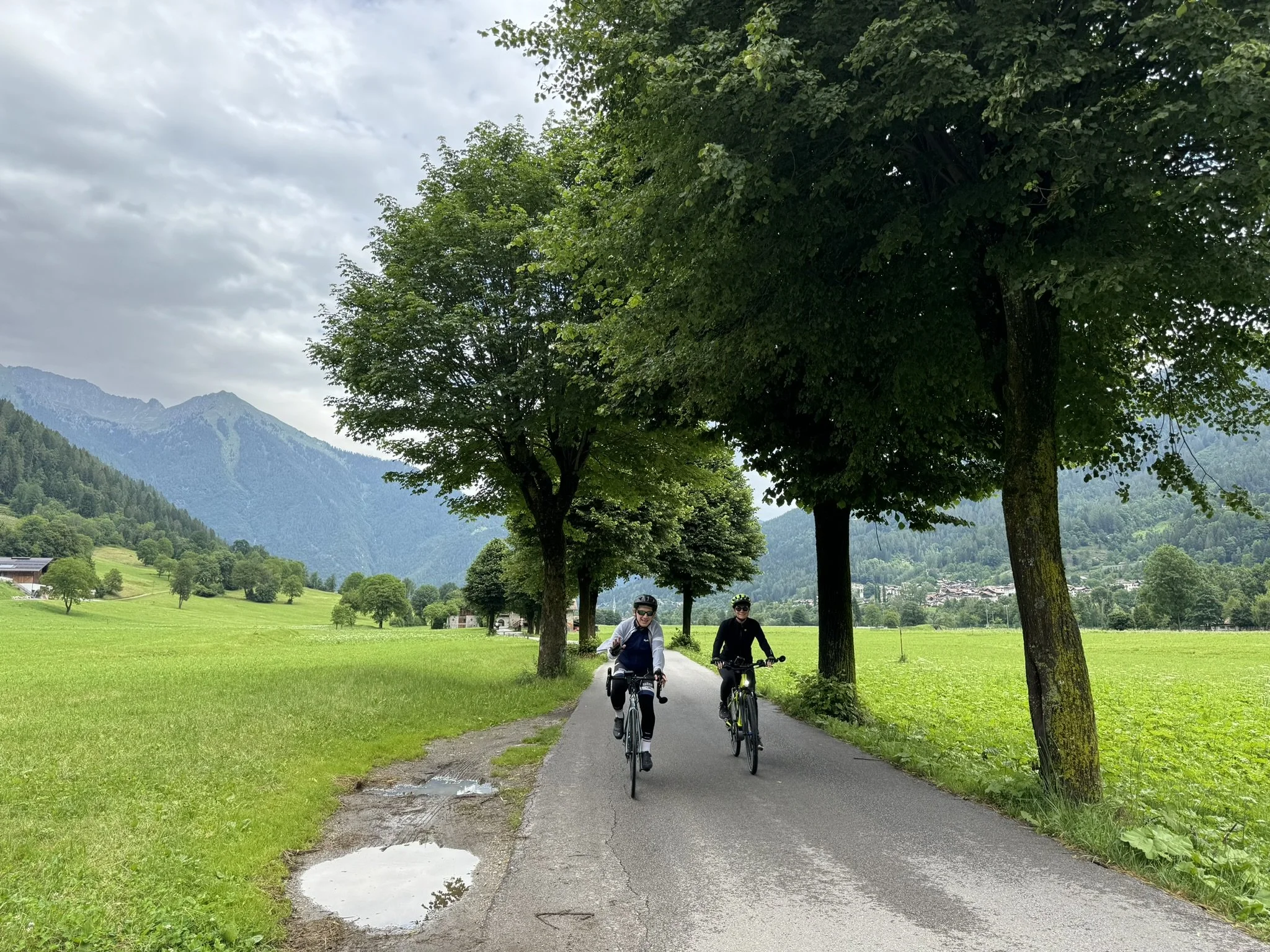
Memorable activities: Scenic cycling along rivers and lakes through lush valley landscapes—wide-open views framed by alpine peaks.
Food notes: Relaxed patio and poolside dining at Parkhotel Laurin, with a strong regional focus and an emphasis on South Tyrolean wines.
Madonna di Campiglio, Italy (2 Nights)
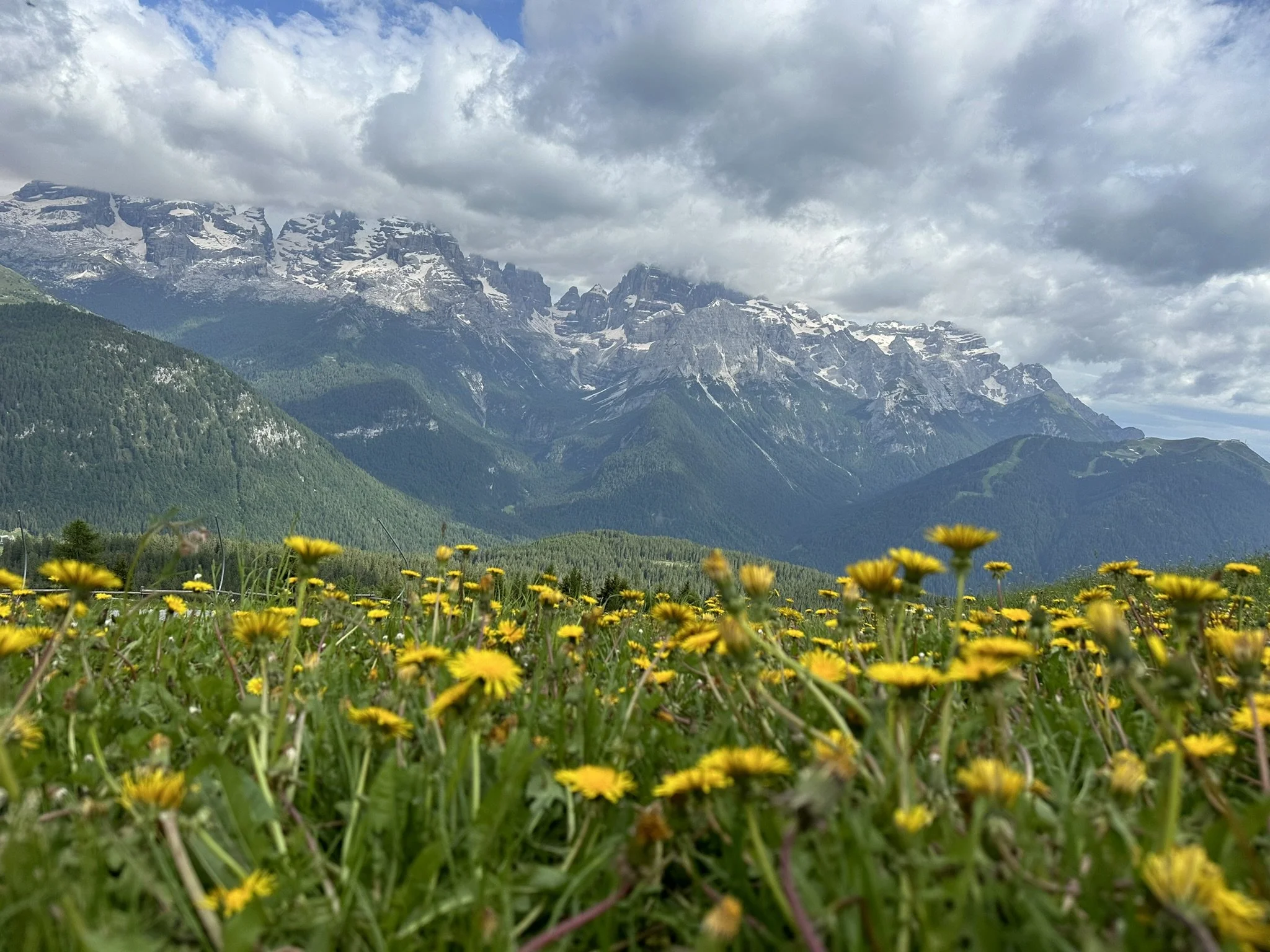
Why we chose it: A forested retreat in the Brenta Dolomites with a distinctly slower mountain rhythm. Madonna di Campiglio offered altitude, clean air, and scenery without the scale or intensity of a larger resort town.
Lodging: Hotel Chalet del Sogno. An upscale alpine chalet-style property with the feel of a refined ski lodge—wood, stone, and warm lighting throughout.
Atmosphere: Cozy and welcoming, with a quiet, intimate energy that made it easy to settle in.
Room notes: Spacious balconies, dramatic four-poster beds, and thoughtful alpine detailing created a comfortable, indulgent mountain stay.
Memorable activities:
Gondola ride to the summit of Monte Spinale, followed by jaw-dropping Dolomite views and a scenic terrace stop at Chalet Spinale.
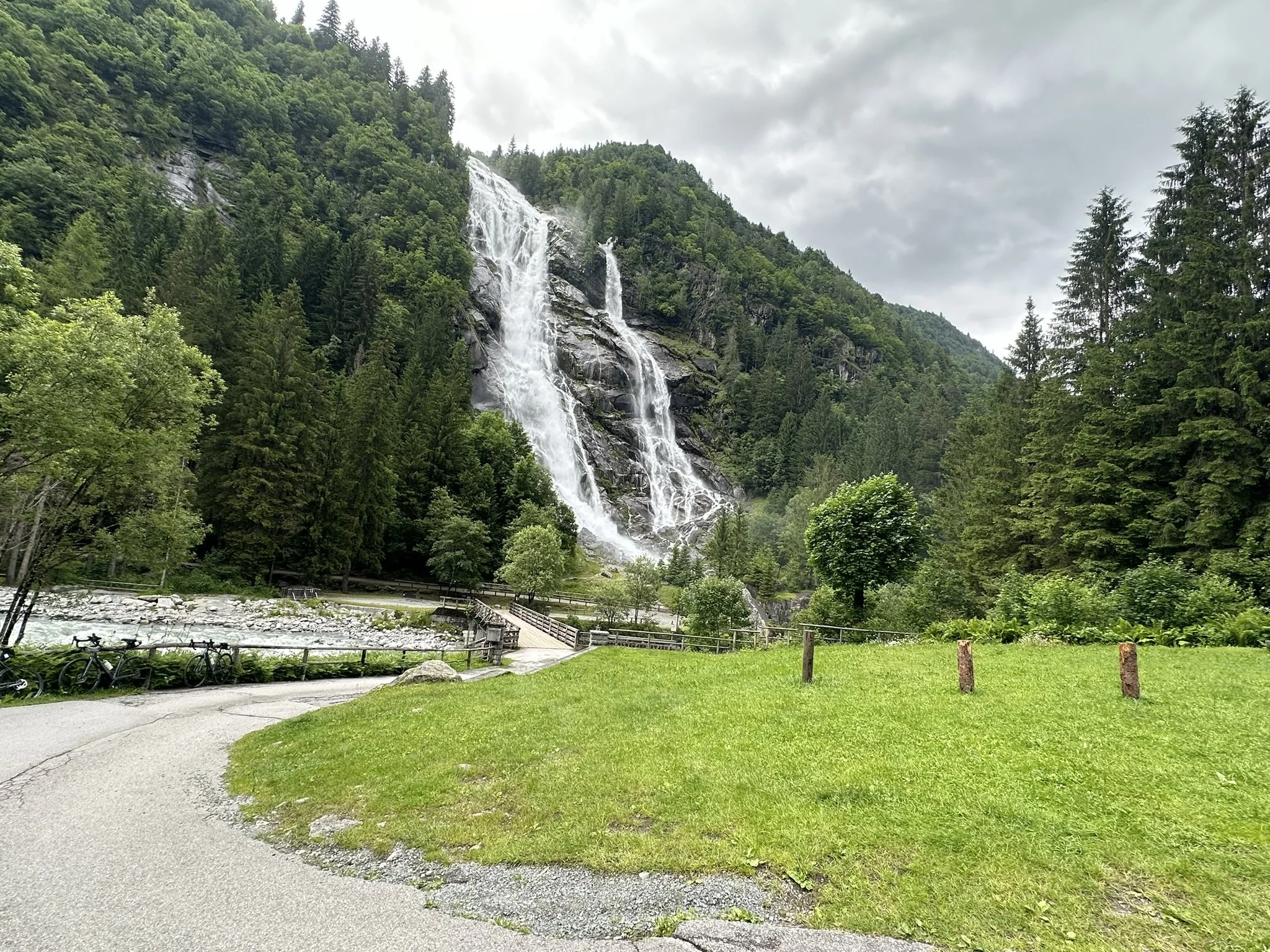
Cycling to Nardis Waterfall, an impressive cascade set against rugged cliffs.
A high-altitude crossing of Stelvio Pass, one of Europe’s most iconic mountain roads, known for its dramatic switchbacks and panoramic views.
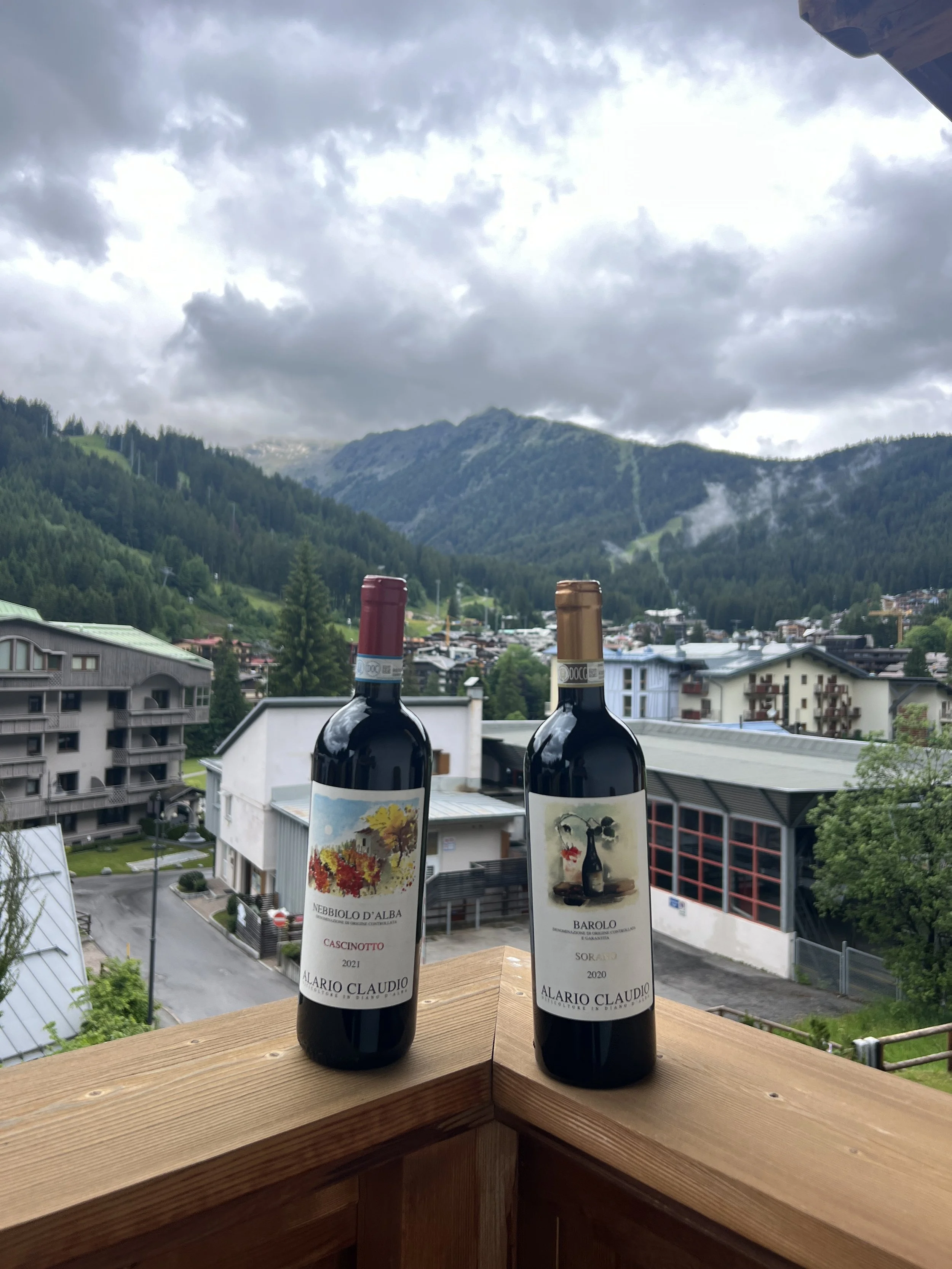
Food notes: Evenings were relaxed—wine on the balcony with friends, followed by dinner at the hotel featuring refined alpine cuisine with regional ingredients.
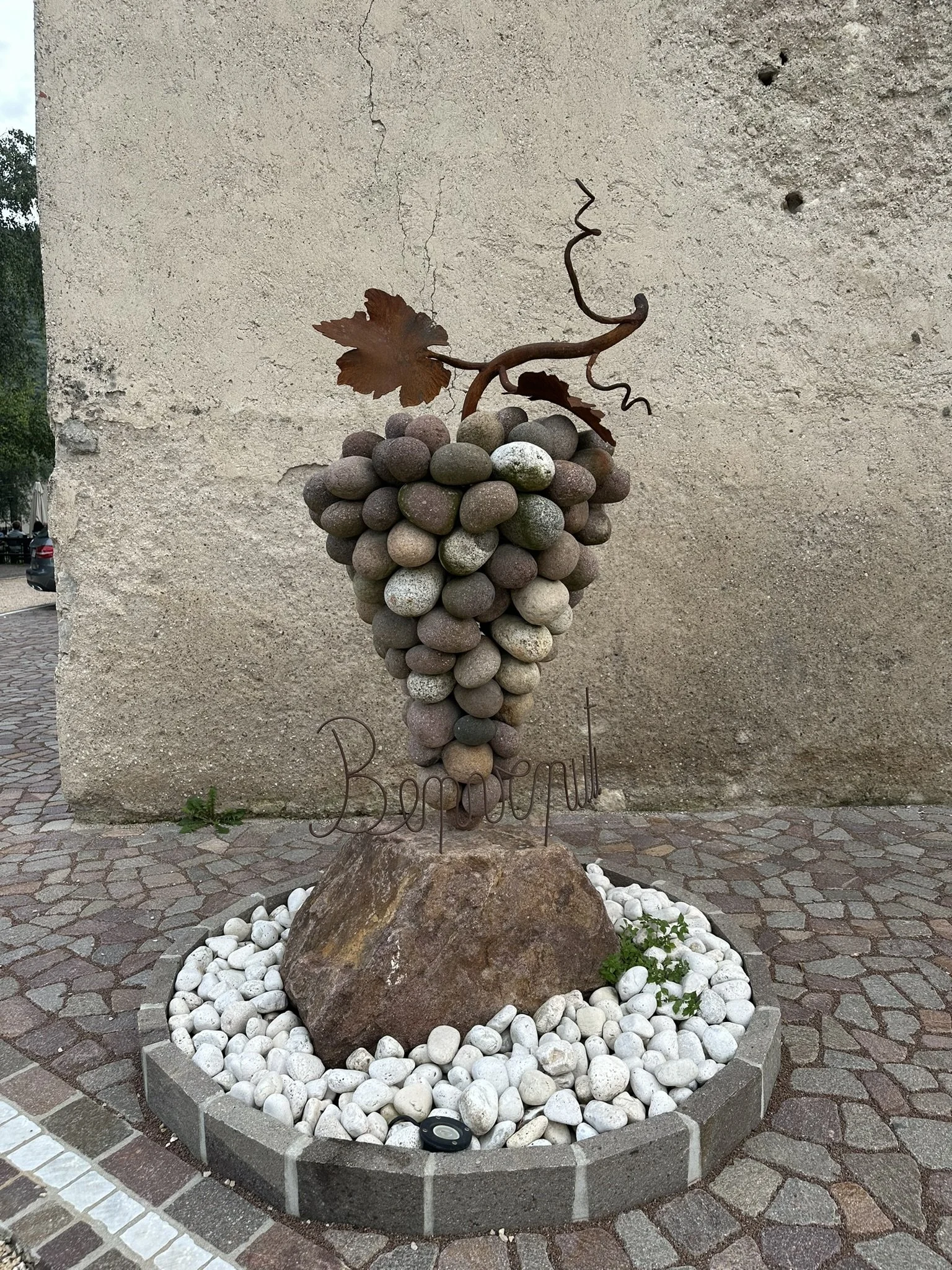
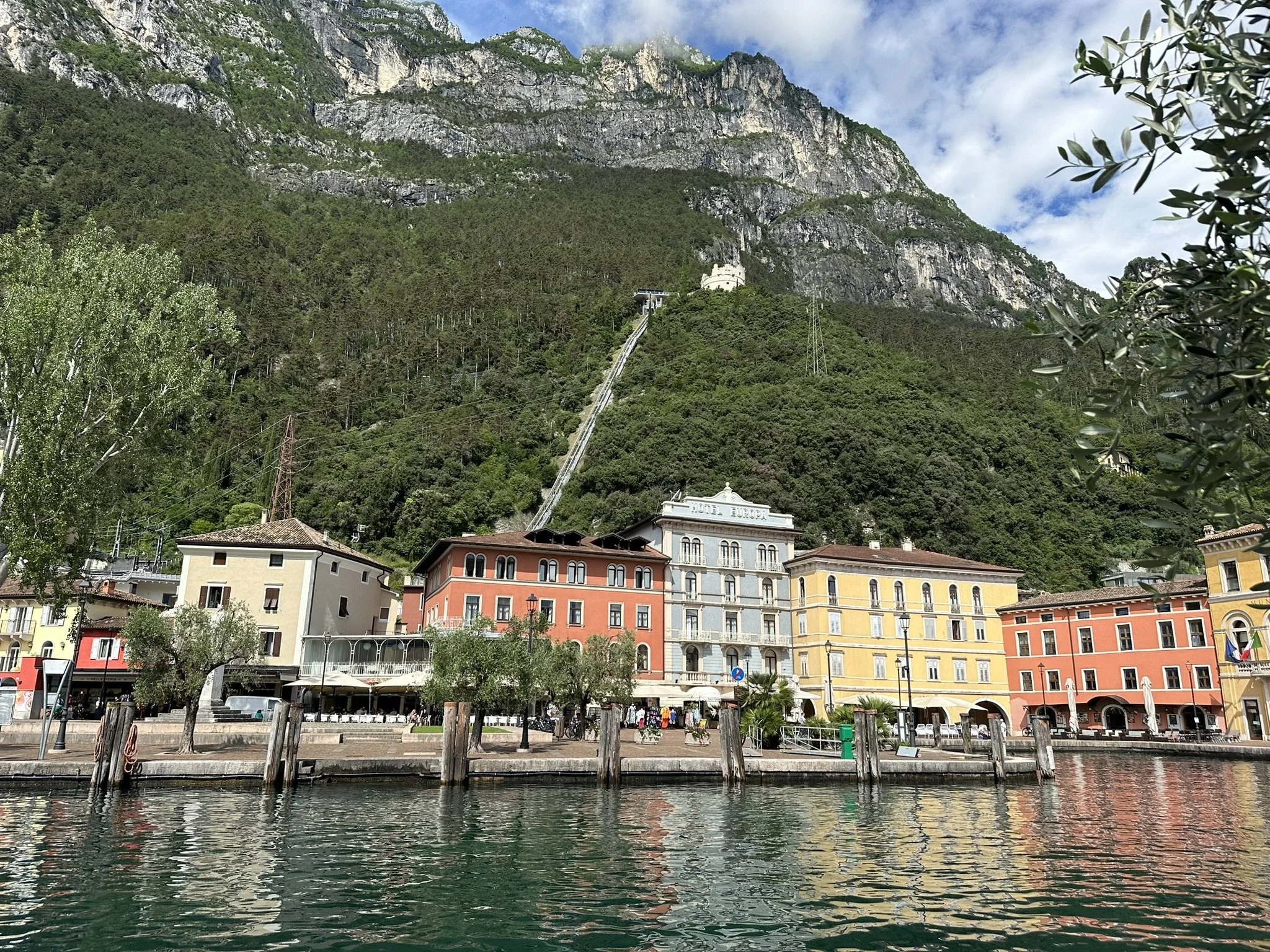
Riva del Garda, Italy (2 Nights)
Why we chose it: Dramatic limestone cliffs meet Mediterranean light on the northern edge of Lake Garda. Riva del Garda offers lakefront promenades, sailboats, and a softer landing after the mountains.
Lodging: Du Lac et Du Parc Grand Resort. A large, well-established resort property with expansive grounds, a sizable lobby and bar, and numerous guest rooms.
Atmosphere: Contemporary and relaxed, with a park-like setting that feels open and airy.
Room notes: Compact but functional, with a lovely balcony overlooking manicured gardens with impressive limestone cliffs serving as the backdrop.
Memorable activities: Unhurried walks along the lakefront promenade and a boat ride across the water for a different perspective of the cliffs and shoreline villages.
Food notes: Frequent gelato stops and an al fresco dinner at a nearby vineyard, leaning into Garda’s Mediterranean side.
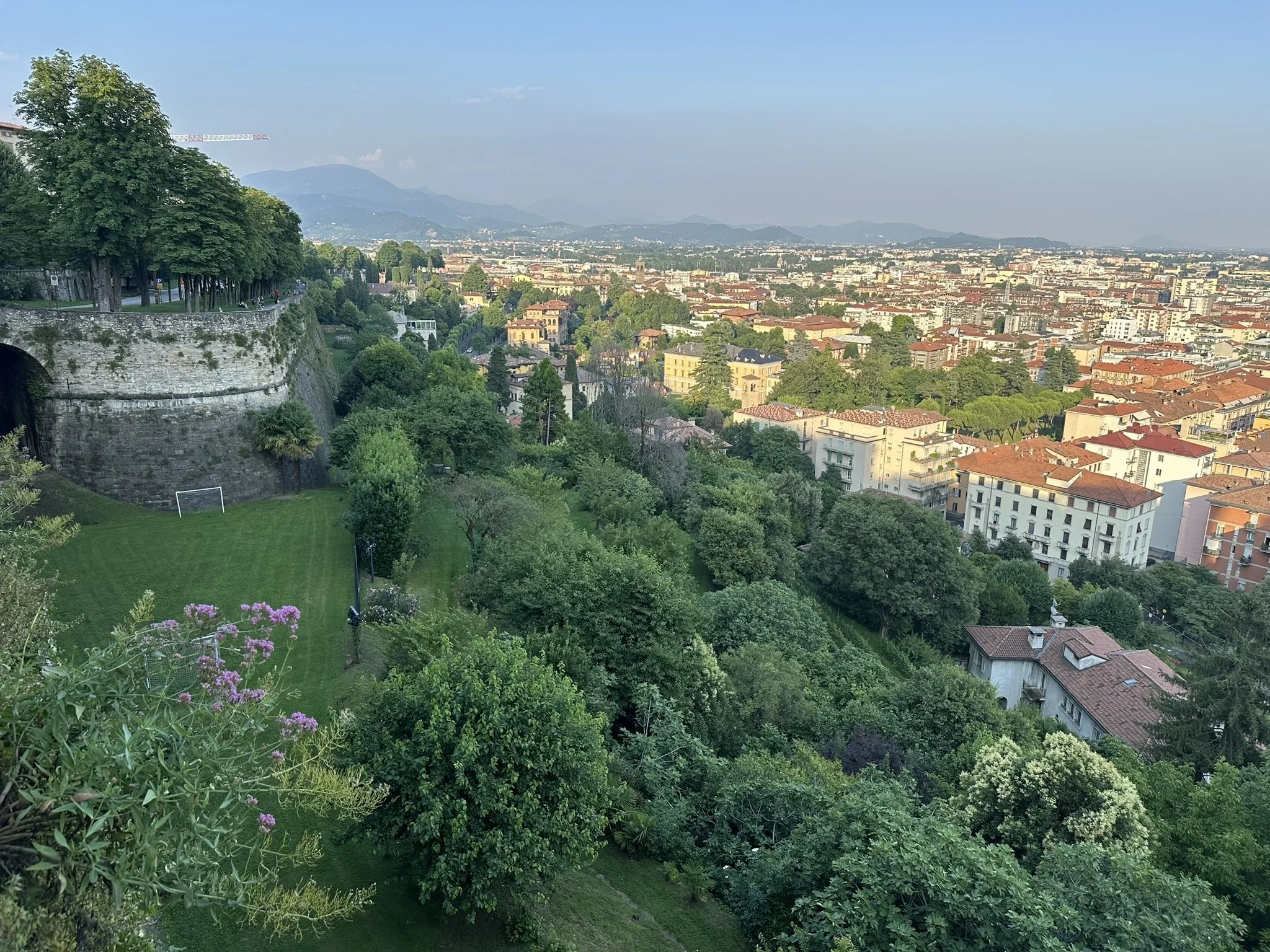
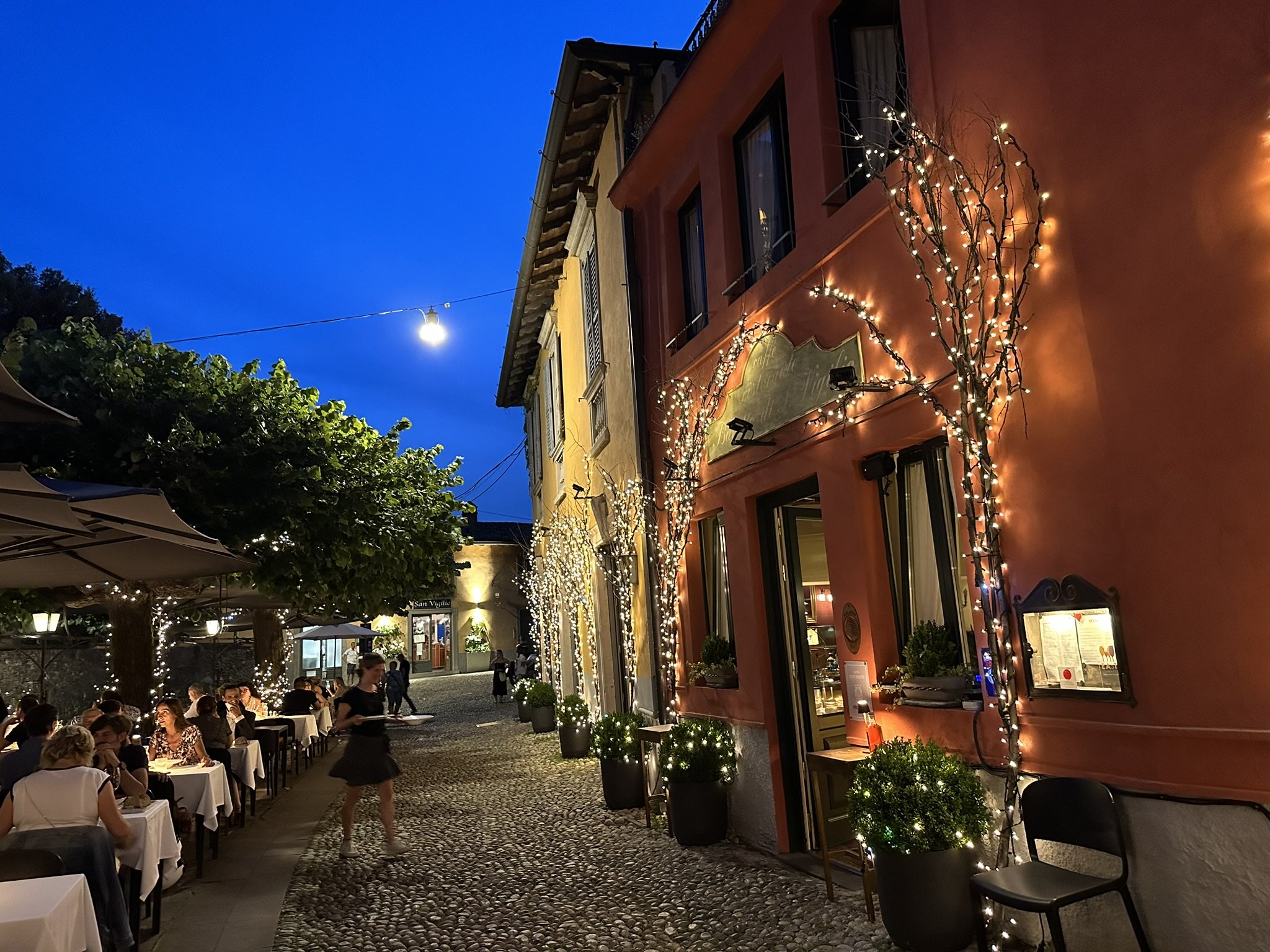
Bergamo, Italy (4 Nights)
Why we chose it: An appealing alternative to Milan and an underrated Lombard base. Bergamo offers two distinct levels—the walled Città Alta above and the modern Città Bassa below—linked by funicular. The UNESCO-listed Venetian walls, strong culinary scene, and manageable scale made it an ideal post-trip landing.
Lodging: Le Funi Hotel. Chosen for comfort and its quiet location just outside the busiest core, with immediate access to the funicular overlooking the city below.
Atmosphere: Friendly staff and a full service on-site restaurant.
Room notes: Small, comfortable, and modern with subtle Art Deco touches.
Memorable activities:
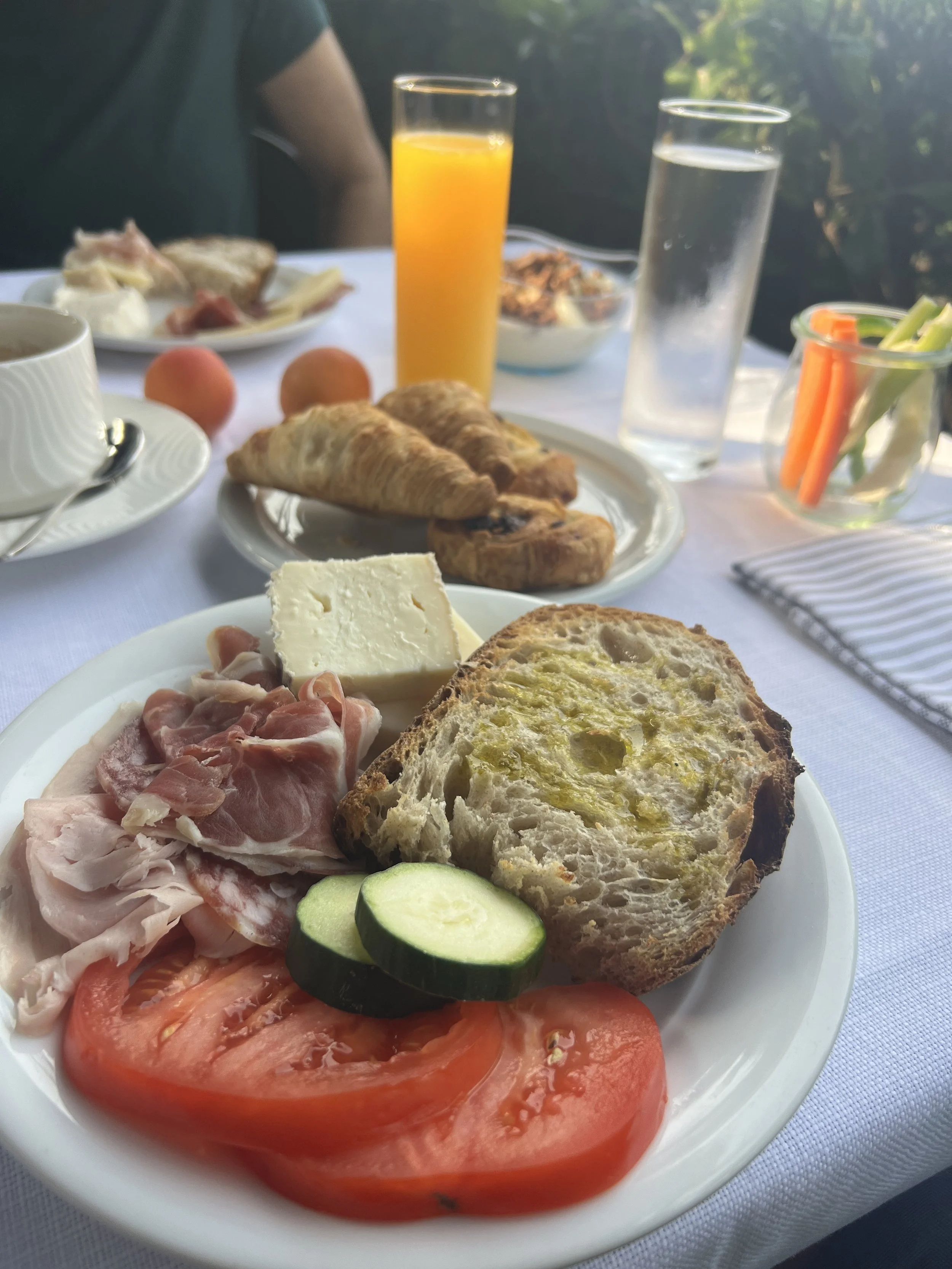
Leisurely breakfast buffets on the patio at Le Funi featuring fresh, local fare.
Exploring Basilica di Santa Maria Maggiore, lingering in Piazza Vecchia, and listening to evening street musicians in Città Alta.
A tuk-tuk ride up to Castello di San Vigilio for sweeping views.
Food notes:
Ristorante Baretto di San Vigilio — exceptional terrace views, polished service, and refined cuisine (try the local casonsèi pasta).
La Marianna — home of the famed stracciatella gelato, though it did not live up to expectations for us.
Ristorante Pizzeria San Vigilio — relaxed patio dining and limoncello at sunset.
Pizzeria Assaje — casual, lively, and popular with locals.