
Dubrovnik vs. Split (Croatia)
Both Dubrovnik and Split offer historic cores, Adriatic settings, and strong appeal for a Croatia itinerary. Dubrovnik is more iconic, more visually polished, and more centered on its walled Old City. Split is larger, more lived-in, and often works better as a practical base for ferries, day trips, and a longer stay. Dubrovnik’s Old City is a UNESCO site often called the “Pearl of the Adriatic,” while Split’s UNESCO core is built around Diocletian’s Palace and a living old town that extends through the city itself.
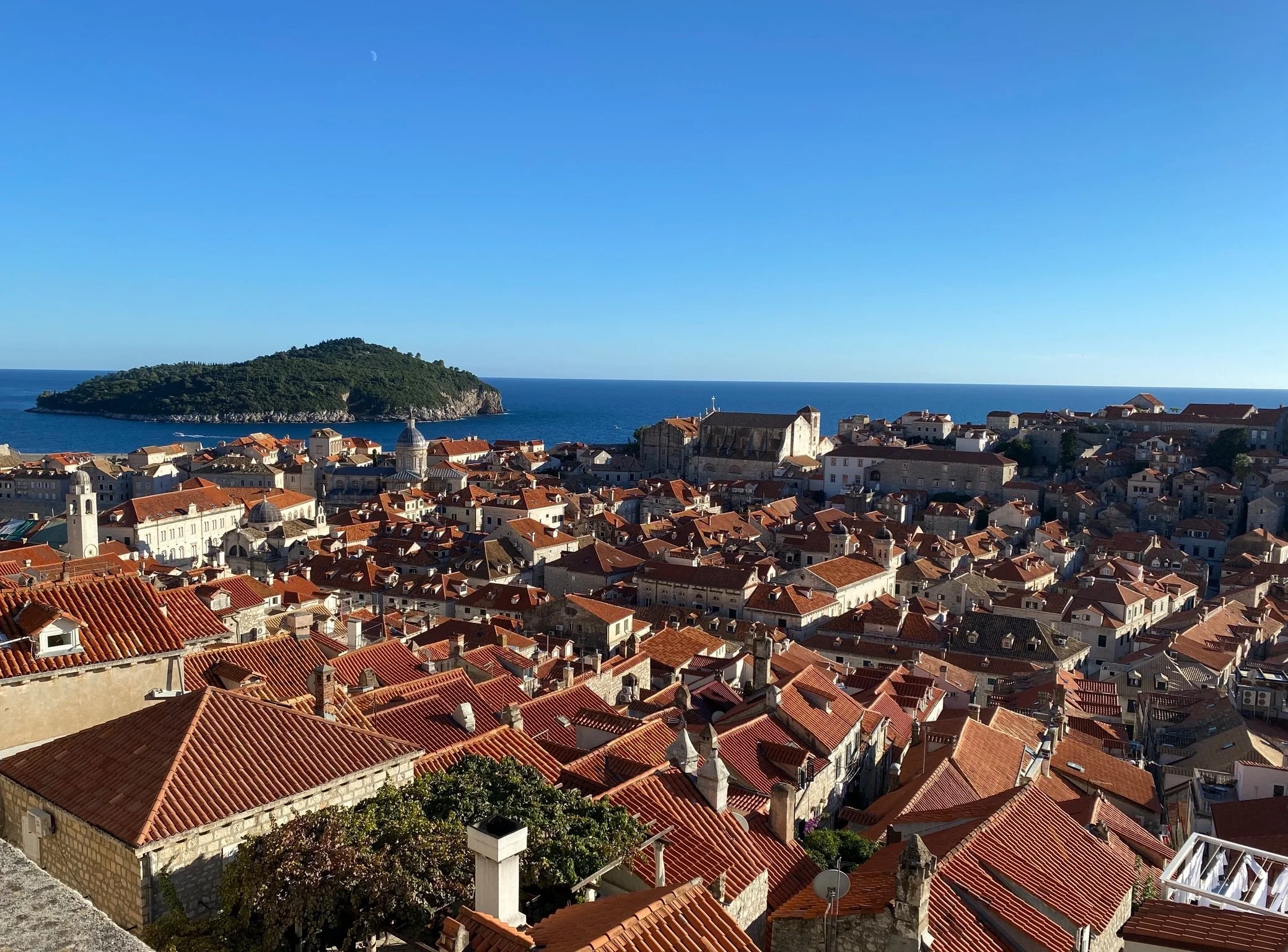
Choose Dubrovnik if
You want Croatia’s most iconic coastal city, with a more dramatic setting and a stronger sense of arrival. Its city walls, fortresses, and compact Old City create a more self-contained headline experience.
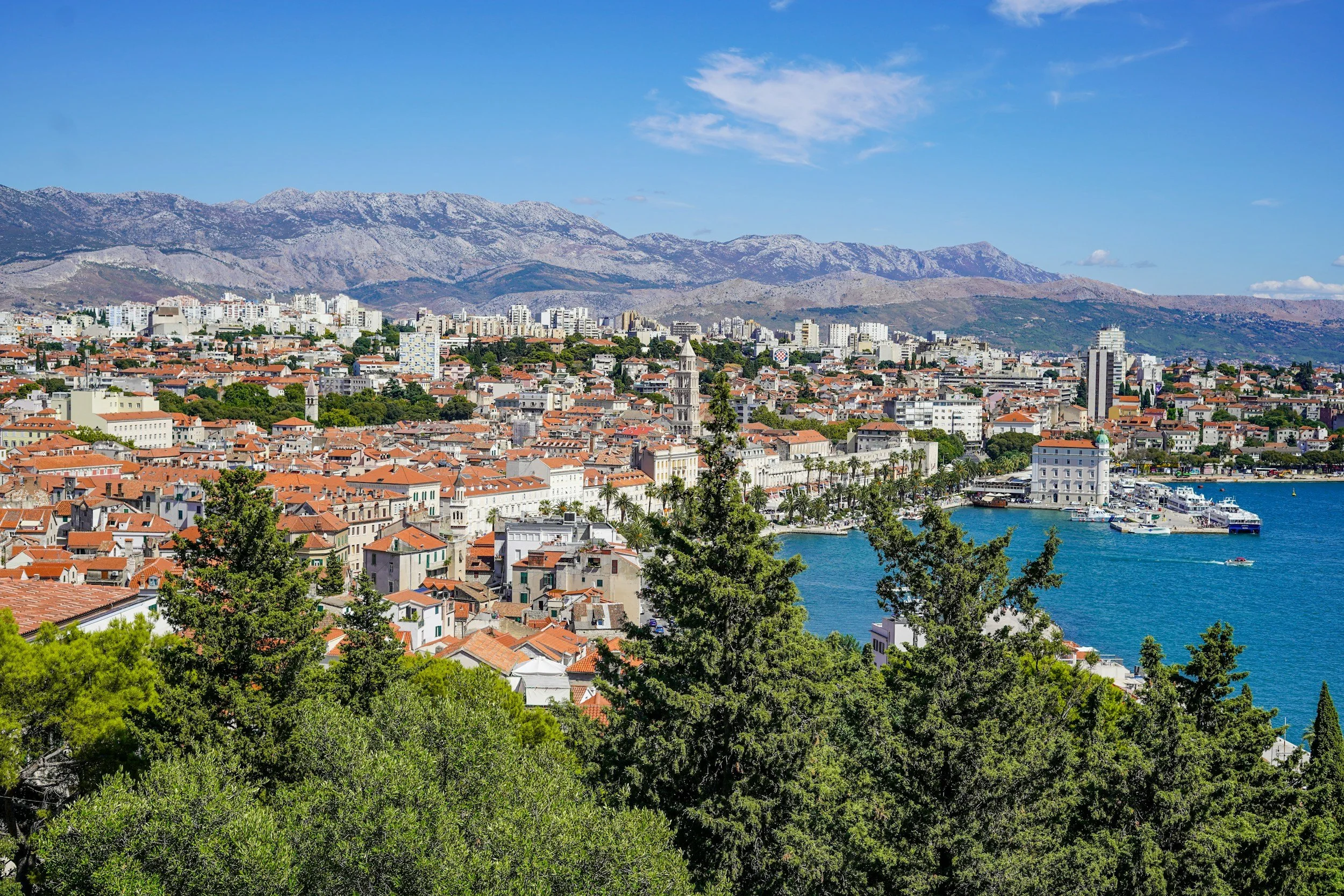
Choose Split if
You want a less formal, more flexible city that is easier to use as a base. Split has extensive ferry and catamaran connections and works especially well if you want to combine the city with islands or nearby day trips.
The Short Answer
Choose Dubrovnik if you want the most iconic and visually striking stop on the Croatian coast. Choose Split if you want a more practical, more lived-in city that is often easier to enjoy over several nights. Dubrovnik is the stronger choice for concentrated beauty and a classic old-city experience. Split is the stronger choice for flexibility, transport connections, and a more relaxed daily rhythm. Dubrovnik’s biggest draws are its UNESCO-listed Old City, nearly two-kilometer walls, and major viewpoints like Mount Srđ. Split’s appeal is different: a 1,700-year-old urban core, an active waterfront, and easy onward access by ferry and catamaran.
Why Choose Dubrovnik
more iconic and visually dramatic
stronger fit for a first trip to Croatia
compact Old City with a clearer sightseeing focus
city walls and fortresses create a more memorable headline experience
more compelling if you want a polished, high-impact stop rather than a looser base city
Dubrovnik is better for:
first-time visitors to Croatia
travelers who want the most iconic coastal city
people who prioritize scenery and a concentrated old-town experience
shorter stays built around major sights and atmosphere
Why Choose Split
larger and more lived-in overall
easier to use as a transport hub for islands and day trips
stronger fit for travelers who want flexibility, not just a showcase old town
more practical for a longer stay
good mix of Roman history, waterfront life, and onward connections
Split is better for:
travelers who want a more relaxed, functional base
people planning island hops or multiple day trips
visitors who prefer a city that feels more lived-in than stage-set
travelers staying longer than a quick highlight stop
Atmosphere
Dubrovnik: More polished, more cinematic, and more self-consciously beautiful. The walled city, stone streets, and fortifications create a higher-impact first impression, but the experience can also feel more concentrated and more tourism-driven.
Split: Looser, busier, and more integrated into everyday life. Diocletian’s Palace is not a sealed monument but part of the functioning city, and the waterfront and ferry connections make the city feel more open-ended and practical.
Tradeoffs
Dubrovnik gives you a more dramatic and polished old-city experience, but it is less useful as a broader regional base. Split is often easier and more flexible, but it does not deliver the same immediate visual punch. In plain terms: Dubrovnik is the stronger short-stay showpiece. Split is the stronger working base.
If You Have Limited Time
1–2 nights: Dubrovnik is often the stronger choice if you want the biggest impact.
3+ nights: Split usually makes more sense if you want flexibility and day-trip options.
First trip to Croatia: Dubrovnik is the stronger default.
Using one city as a base: Split is often the smarter pick.
The Verdict
For a first trip to Croatia, Dubrovnik is the stronger choice. It is more iconic, more visually dramatic, and more immediately memorable.
For travelers who value flexibility, transport convenience, and a city that works better over several days, Split is often the better stop. It is not the prettier headline city. It is the easier one to live with.
This page may contain affiliate links, which means we may earn a small commission if you make a purchase through them at no additional cost to you.