
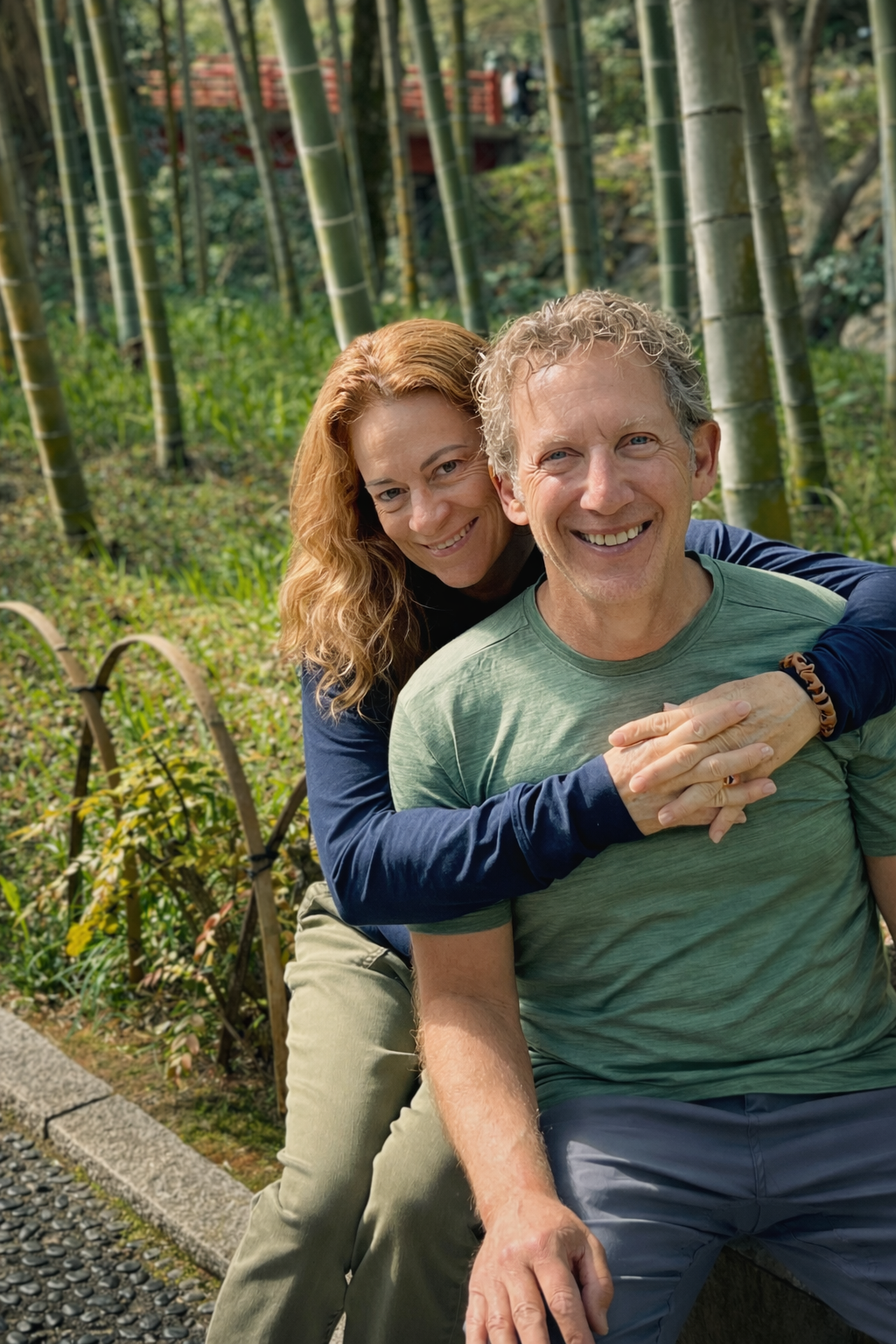
Japan’s Cherry Blossom Season
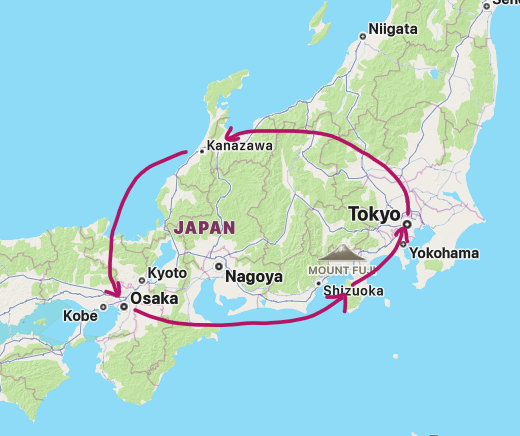
This 16-day itinerary includes stays in Tokyo, Kanazawa, Osaka, Shuzenji onsen town. It also includes day trips to Shirakawago, Nara, Minoo Falls, and Kamakura.
The route forms a relaxed counterclockwise loop, with bullet train connections between major stops to keep travel efficient and reduce backtracking. Rather than trying to cover too many destinations too quickly, the itinerary balances major cities with smaller, more traditional settings.
This structure works especially well because it offers variety without excessive hotel changes. Tokyo and Osaka provide the energy, food, and big-city contrasts many first-time visitors want, while Kanazawa and Shuzenji add historic atmosphere, gardens, and a quieter pace. The result is a trip that feels comprehensive without becoming exhausting.
This itinerary omits out a few destinations that often appear on first-time Japan routes on the main island of Honshu:
Nagano – The famous snow monkeys are memorable, but adding Nagano introduces extra transit time and logistical complexity.
Kyoto – Instead of Kyoto, this trip includes Kanazawa, sometimes called “Little Kyoto” for its preserved districts, traditional culture, and gardens.
Hakone – Rather than Hakone, this trip includes Shuzenji, a more understated and less tourist-heavy onsen town on the Izu Peninsula.
The Itinerary
Day 1 Arrive Tokyo (3 nights)
Day 2 Full day private tour
Day 3 TeamLab Borderless | Private food tour
Day 4 Arrive Kanazawa (3 nights)
Day 5 Half day private tour
Day 6 Day trip to Shirakawago
Day 7 Arrive Osaka (4 nights)
Day 8 Osaka Castle | Grand Sumo Tournament
Day 9 Nara day trip
Day 10 Minoo Falls day trip
Day 11 Arrive Shuzenji
Day 12 Hot springs relaxation
Day 13 Arrive Tokyo (3 nights)
Day 14 Group food tour | Meiji Shrine
Day 15 Kamakura day trip
Day 16 Depart Tokyo

Tokyo - East (3 Nights)
Why We Chose It
Tokyo is a natural starting point for many Japan itineraries because of its international flight connections. We chose to stay on the east side of the city, the same general side as the airport, knowing we would stay on the west side at the end of the trip. This gave us an efficient arrival base with easy access to several of Tokyo’s most traditional and culturally rich neighborhoods, including Ueno, Asakusa, Yanaka, and the Imperial Palace area.
Lodging: Mitsui Garden Hotel Ueno. We selected it for its highly practical location next to the train station and directly across from Ueno Park.
Atmosphere. The hotel had a small, efficient lobby with friendly staff and a calm, orderly feel. It was more functional than luxurious, but very well run and ideally located for sightseeing and transit.
Room Notes. Clean, modern, and basic. We did not pay extra for a panda-themed room on the panda floor, although that might have been fun.
Highlights
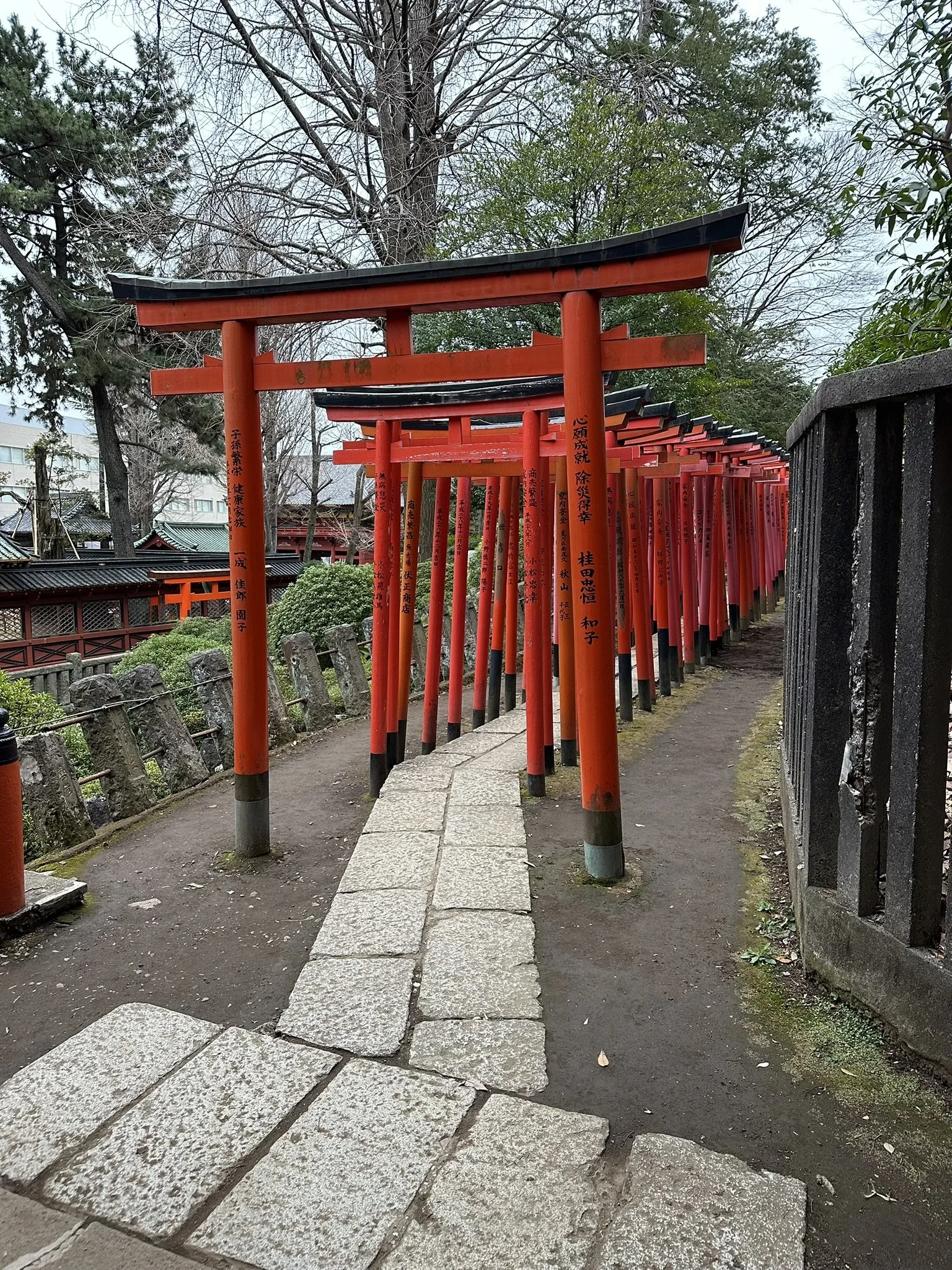
Private Guided Tour – A strong introduction to Tokyo, including Kaminarimon Gate, Sensō-ji Temple, the Imperial Palace, Nezu Shrine, and the Yanaka District.
teamLab Borderless – An impressive immersive digital art experience and the most memorable contemporary attractions of the trip.
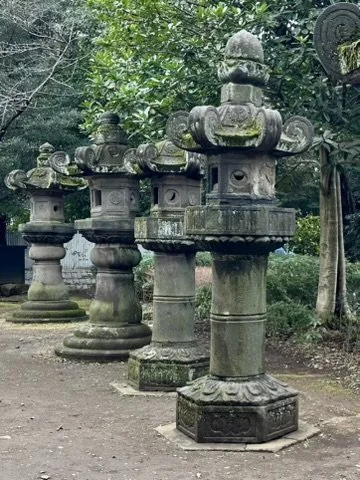
Ueno Park – A major green space with an unusually dense concentration of cultural sites, including shrines, temples, museum areas, and Shinobazu Pond.
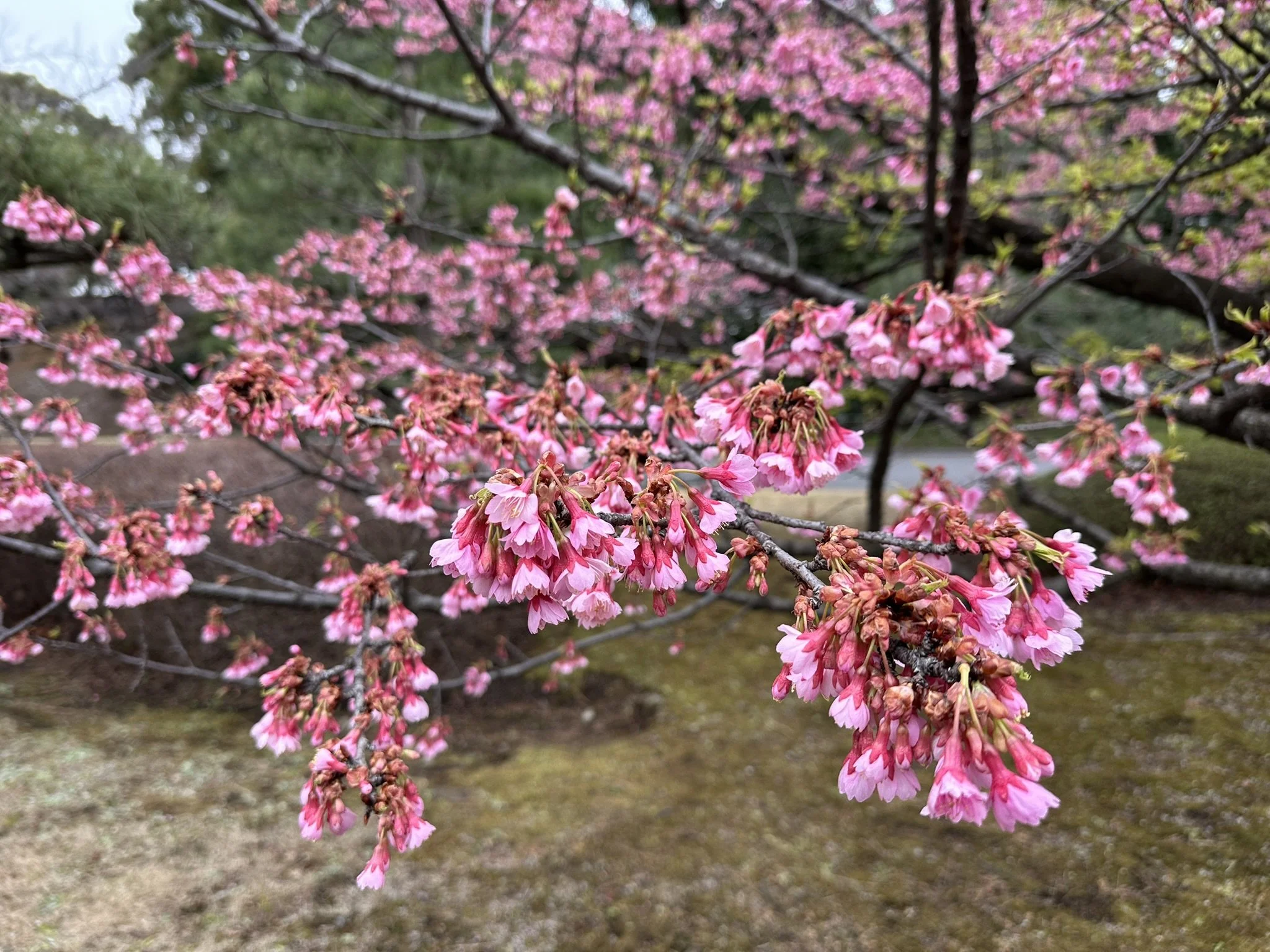
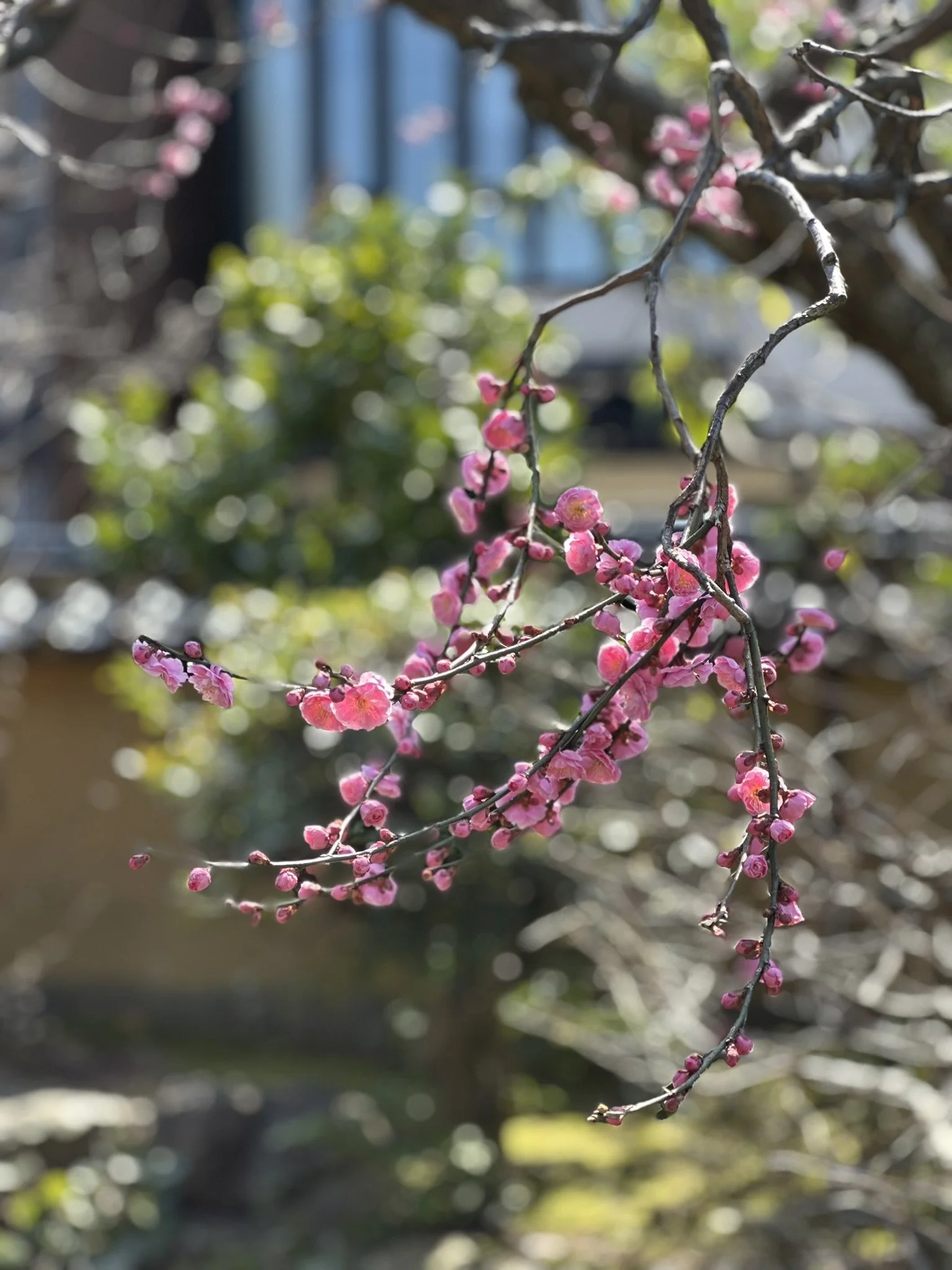
Seasonal Blooms – At the start of the trip, we spotted vibrant pink plum blossoms, white magnolia blooms, yellow daffodils, purple irises, pink camellias, and early-blooming white and pink cherry blossoms.
Memorable Dining
Andy’s Shin Hinomoto – A lively, old-school spot known for seafood, skewers, and an atmospheric, slightly chaotic energy that felt distinctly Tokyo.
Izakaya Dining – One of the pleasures of Tokyo is simply ducking into a small izakaya, Japan’s version of a casual pub or tavern. Many are incredibly compact, tucked into narrow side streets or upper floors, with twisting layouts and tiny kitchens that seem to make impossible use of limited space.
Karaage – Japanese fried chicken, typically marinated before frying, resulting in a crisp exterior and juicy interior. It is a common izakaya staple and an easy comfort food to order alongside beer or highballs.
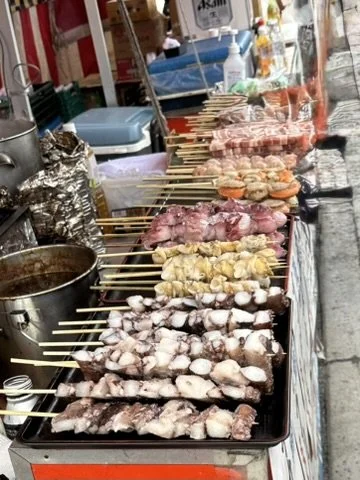
Street Food – Casual bites such as yakitori—grilled chicken skewers cooked over charcoal—make excellent quick meals or snacks while exploring. Tokyo’s street and market food culture adds an informal layer to the city’s dining scene.

Kanazawa (3 Nights)
Why We Chose It
Kanazawa is often referred to as “Little Kyoto” because it preserves many elements of traditional Japan—geisha districts, samurai neighborhoods, historic architecture, and refined cultural arts—but with fewer crowds and a more relaxed pace. It offered a strong cultural contrast to Tokyo while still being easily accessible by train.
Lodging: Uan Kanazawa, a boutique hotel blending traditional Japanese design with modern comfort.
Atmosphere: Elegant and understated. The property strikes a balance between traditional aesthetics and contemporary finishes, with a calm, refined feel throughout.
Room Notes: One of the most memorable stays of the trip—spacious, thoughtfully designed, and distinctly Japanese in style, with warm materials and a sense of authenticity.
Highlights
Half-Day Private Tour – An excellent introduction to Kanazawa, including a walking tour of the samurai district (Nagamachi) and a behind-the-scenes visit to Kaikaro, the oldest continuously operating geisha house in the city.
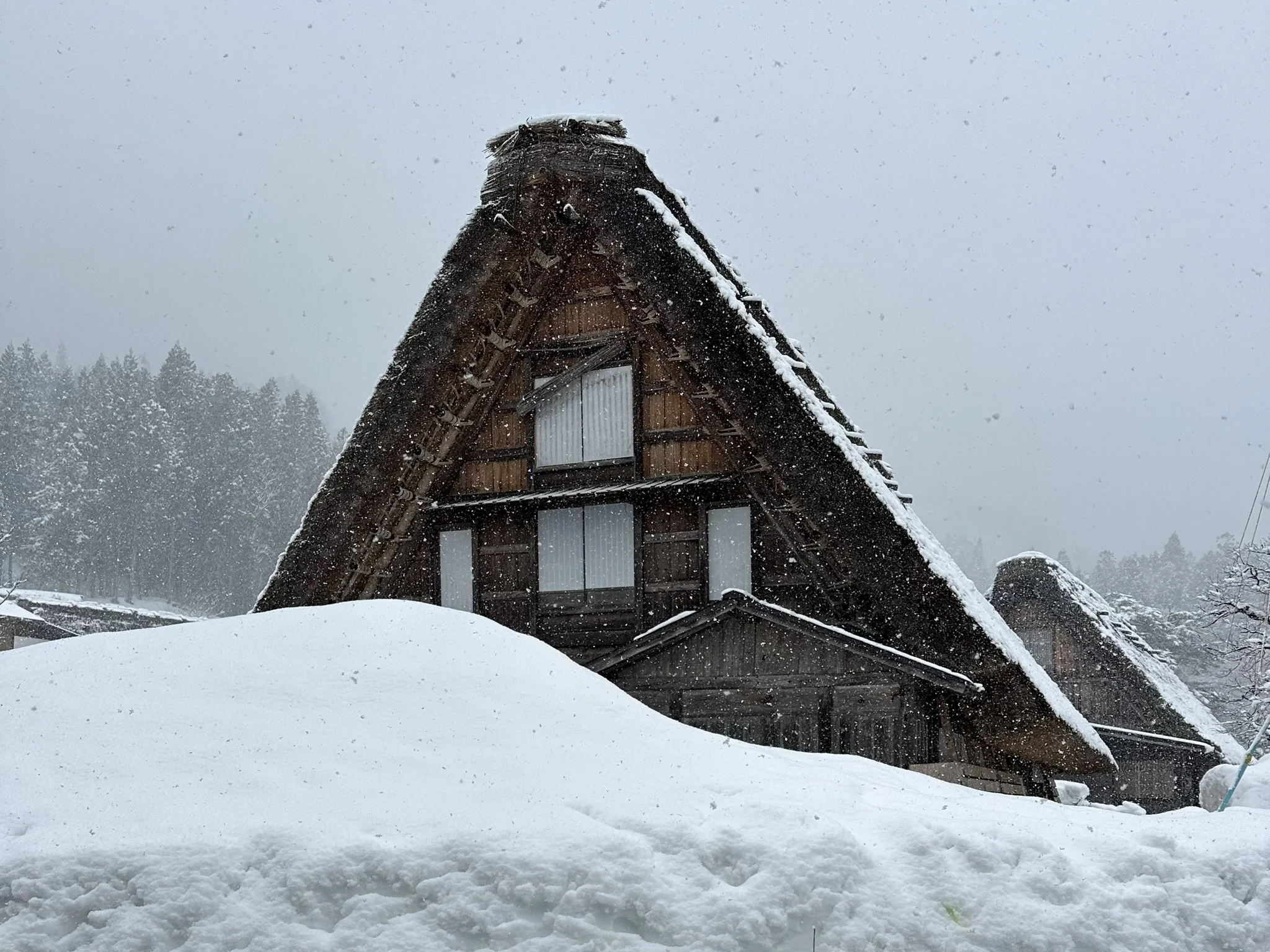
Shirakawa-go Day Trip – A postcard-perfect mountain village known for its traditional gasshō-zukuri farmhouses. Visiting in winter, with snow covering the steep thatched roofs, made it especially memorable.
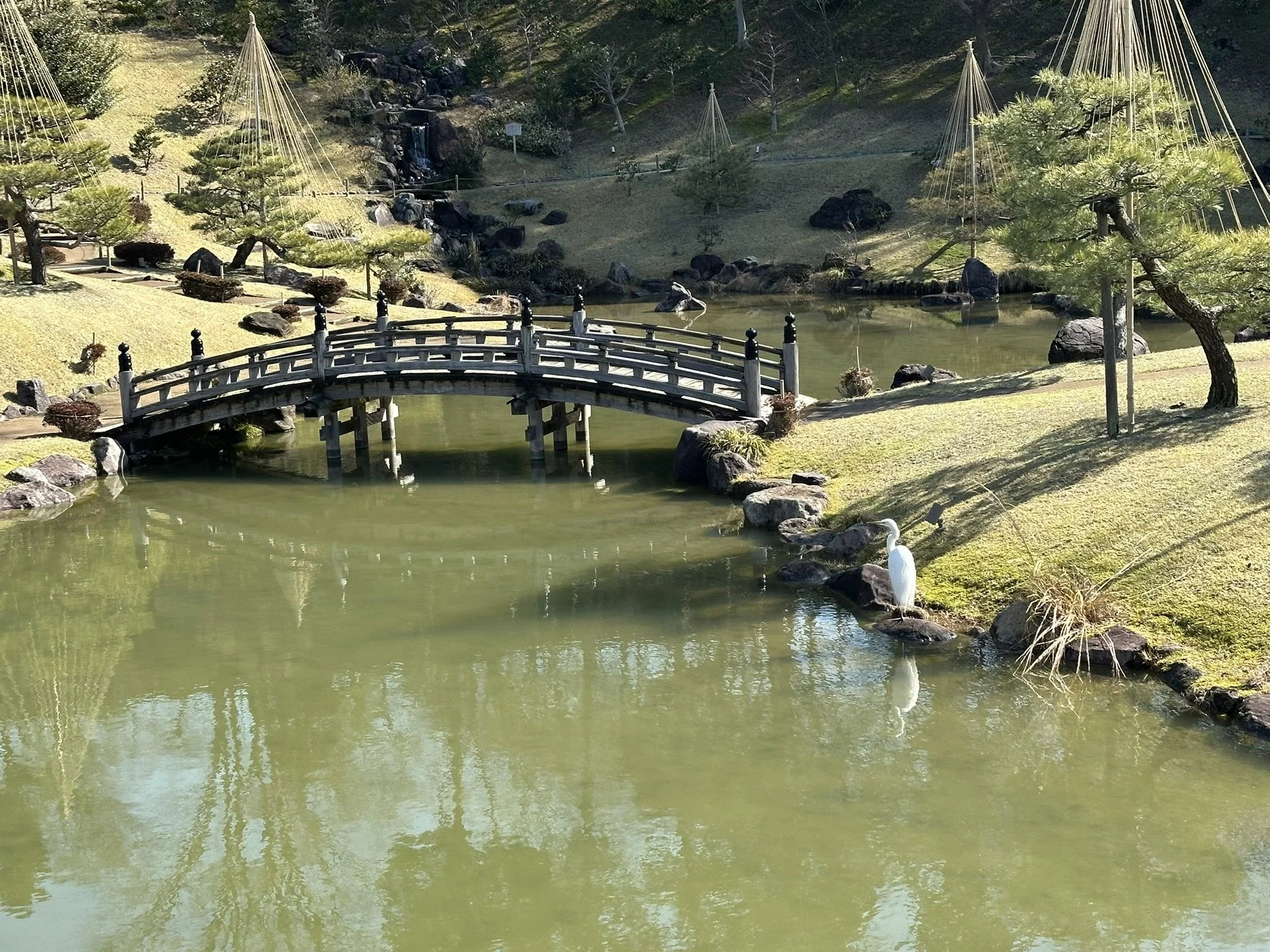
Kenrokuen Garden – Considered one of Japan’s three most beautiful landscape gardens, featuring meticulously designed paths, ponds, bridges, and seasonal plantings.
Memorable Dining
Akame-chan (Kanazawa) – A small, local spot with a renowned sushi chef, offering a distinctly Japanese dining experience replete with a charming companion robot to entertain diners.
DIY Sushi Experience (Kanazawa) – We can’t recall the name, but the hands-on format made it memorable—and confirmed that sushi is best left to the professionals.
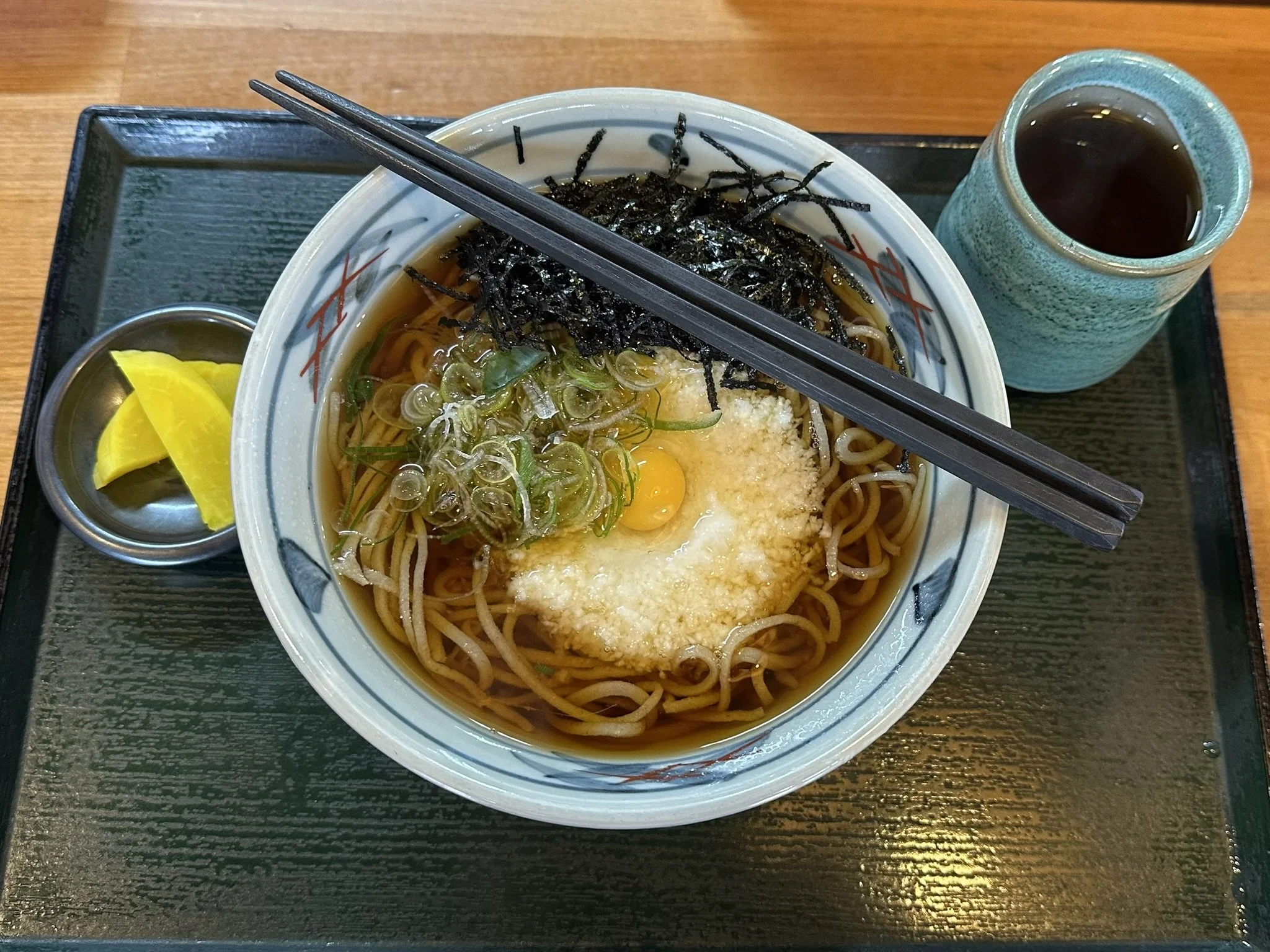
Irori (Shirakawa-go) – A traditional rustic noodle house with a famously long line. Despite the wait—in freezing temperatures—it proved to be well worth it for the setting and simple, satisfying food.