
Japan: From Tokyo to Tranquility (15 Days)
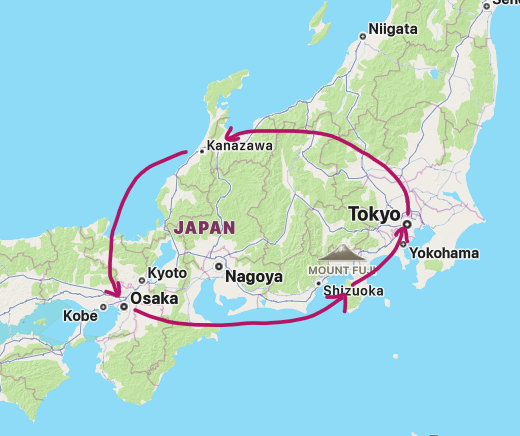
This 15-day itinerary includes stays in Tokyo, Kanazawa, Osaka, Shuzenji onsen town. It also includes day trips to Shirakawago, Nara, Minoo Falls, and Kamakura.
The route forms a relaxed counterclockwise loop, with bullet train connections between major stops to keep travel efficient and reduce backtracking. Rather than trying to cover too many destinations too quickly, the itinerary balances major cities with smaller, more traditional settings.
This structure works especially well because it offers variety without excessive hotel changes. Tokyo and Osaka provide the energy, food, and big-city contrasts many first-time visitors want, while Kanazawa and Shuzenji add historic atmosphere, gardens, and a quieter pace. The result is a trip that feels comprehensive without becoming exhausting.
This itinerary intentionally omits some destinations that often appear on first-time Japan routes on the main island of Honshu:
Nagano – The famous snow monkeys are memorable, but adding Nagano introduces extra transit time and logistical complexity.
Kyoto – Instead of Kyoto, this trip includes Kanazawa, sometimes called “Little Kyoto” for its preserved districts, traditional culture, and gardens.
Hakone – Rather than Hakone, this trip includes Shuzenji, a more understated and less tourist-heavy onsen town on the Izu Peninsula.
The Itinerary
Day 1 Arrive Tokyo (3 nights)
Day 2 Full day private tour
Day 3 TeamLab Borderless | Food tour
Day 4 Arrive Kanazawa (3 nights)
Day 5 Half day private tour
Day 6 Day trip to Shirakawago
Day 7 Arrive Osaka (4 nights)
Day 8 Grand Sumo Tournament | Food tour
Day 9 Nara day trip
Day 10 Minoo Falls day trip
Day 11 Arrive Shuzenji
Day 12 Onsen (hot springs)
Day 13 Arrive Tokyo (3 nights)
Day 14 Food tour | Meiji Shrine
Day 15 Kamakura day trip
Day 16 Depart Tokyo
Tokyo - East (3 Nights)
Why We Chose It
Tokyo is a natural starting point for many Japan itineraries because of its international flight connections. We chose to stay on the east side of the city, the same general side as the airport, knowing we would stay on the west side at the end of the trip. This gave us an efficient arrival base with easy access to several of Tokyo’s most traditional and culturally rich neighborhoods, including Ueno, Asakusa, Yanaka, and the Imperial Palace area.
Lodging: Mitsui Garden Hotel Ueno. We selected it for its highly practical location next to the train station and directly across from Ueno Park.
Atmosphere. The hotel had a small, efficient lobby with friendly staff and a calm, orderly feel. It was more functional than luxurious, but very well run and ideally located for sightseeing and transit.
Room Notes. Clean, modern, and basic. We did not pay extra for a panda-themed room on the panda floor, although that might have been fun.
Highlights
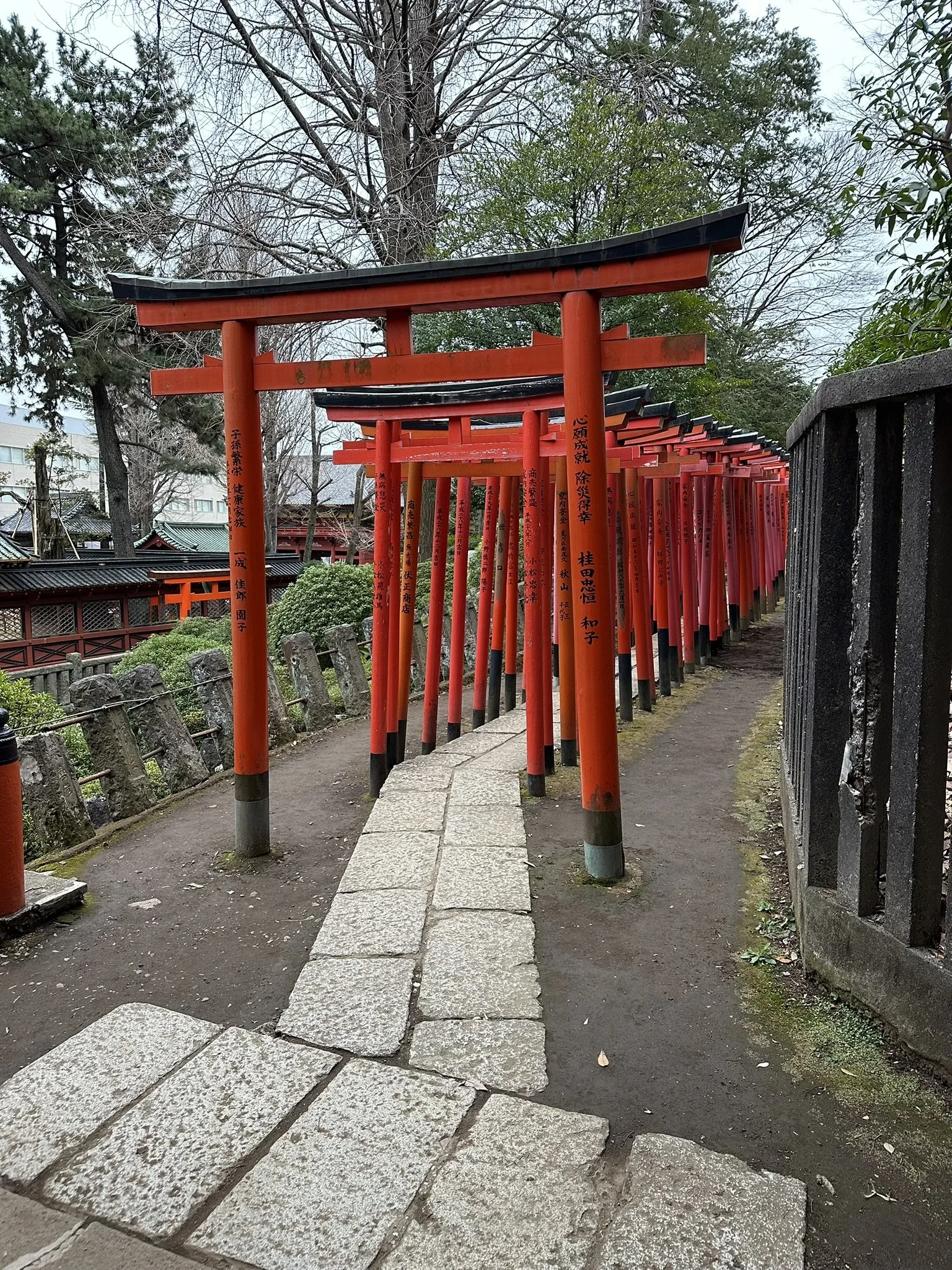
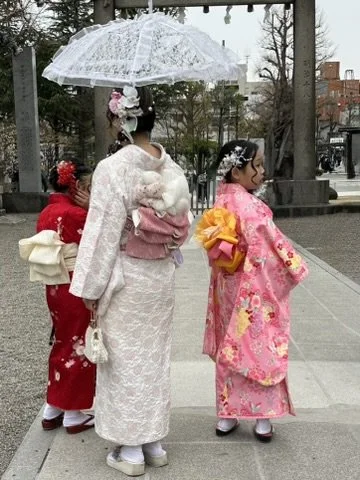
Private Guided Tour – A strong introduction to Tokyo, including Kaminarimon Gate, Sensō-ji Temple, the Imperial Palace, Nezu Shrine, and the Yanaka District.
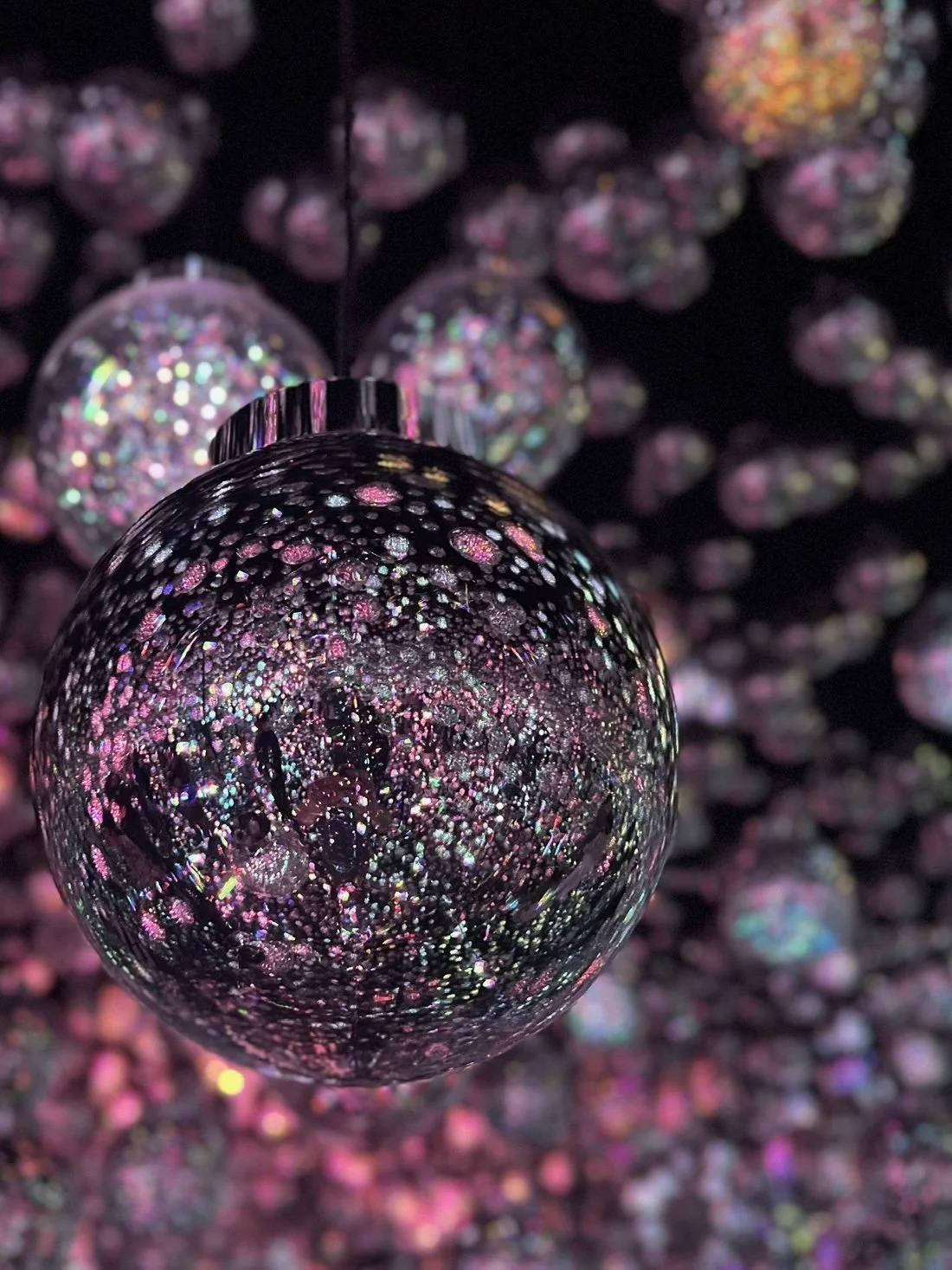
teamLab Borderless – An impressive immersive digital art experience and the most memorable contemporary attractions of the trip.
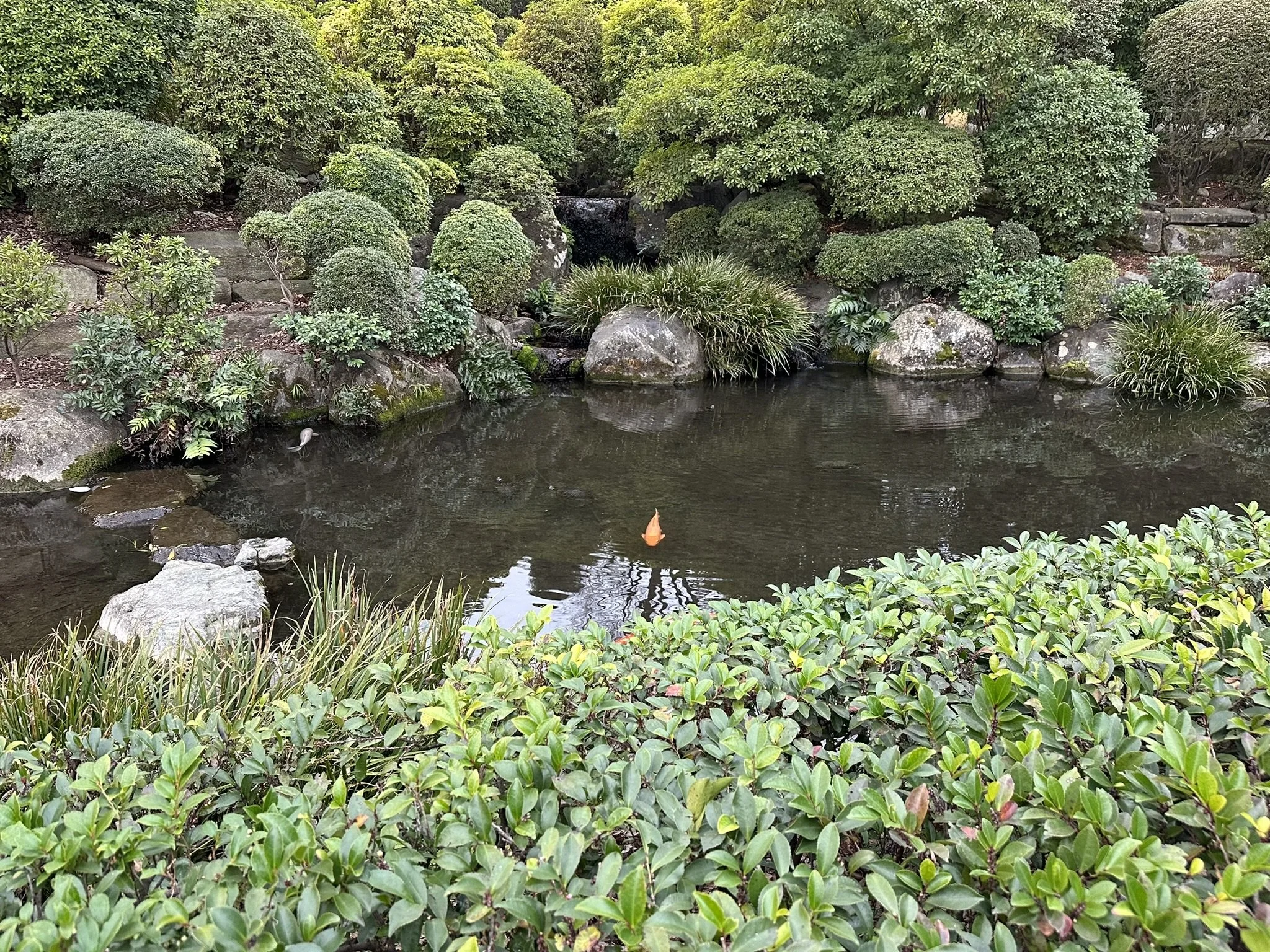
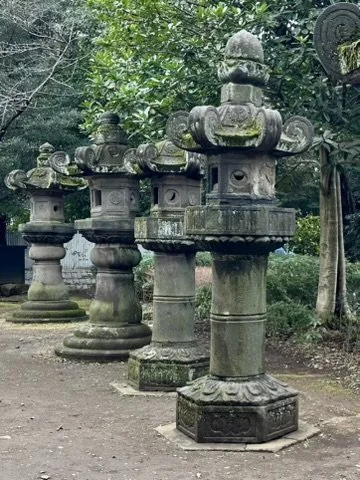
Ueno Park – A major green space with an unusually dense concentration of cultural sites, including shrines, temples, museum areas, and Shinobazu Pond.
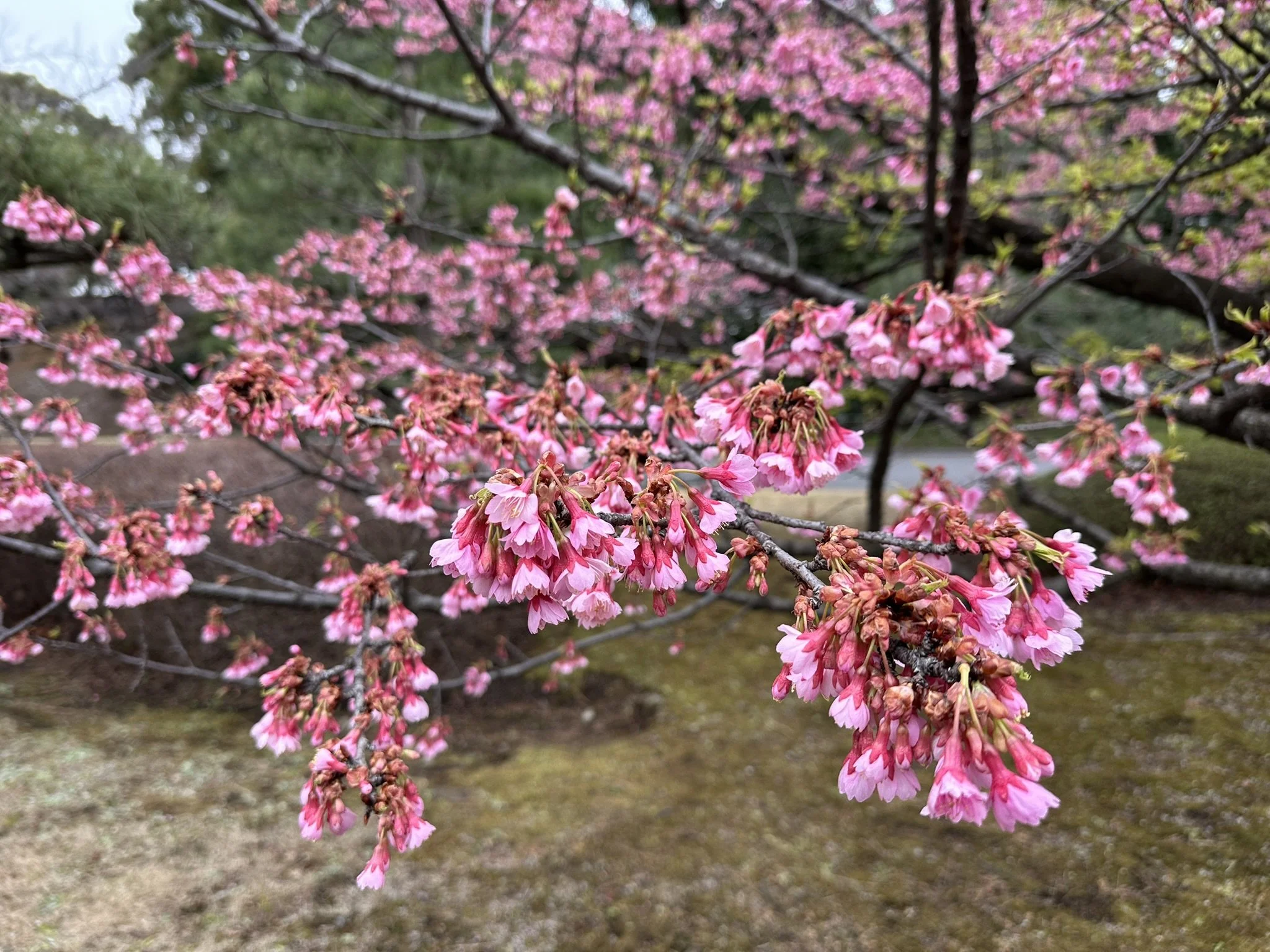
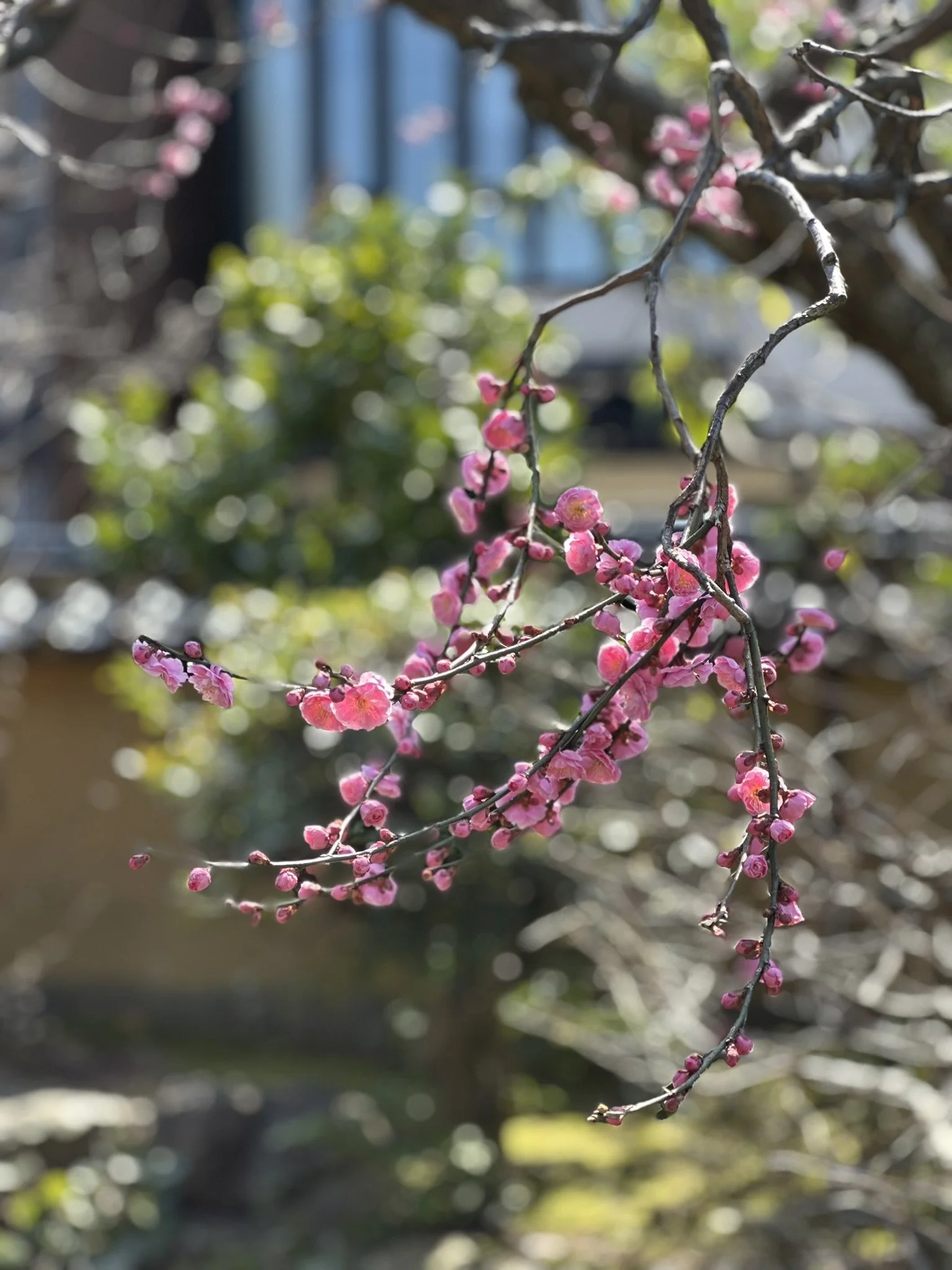
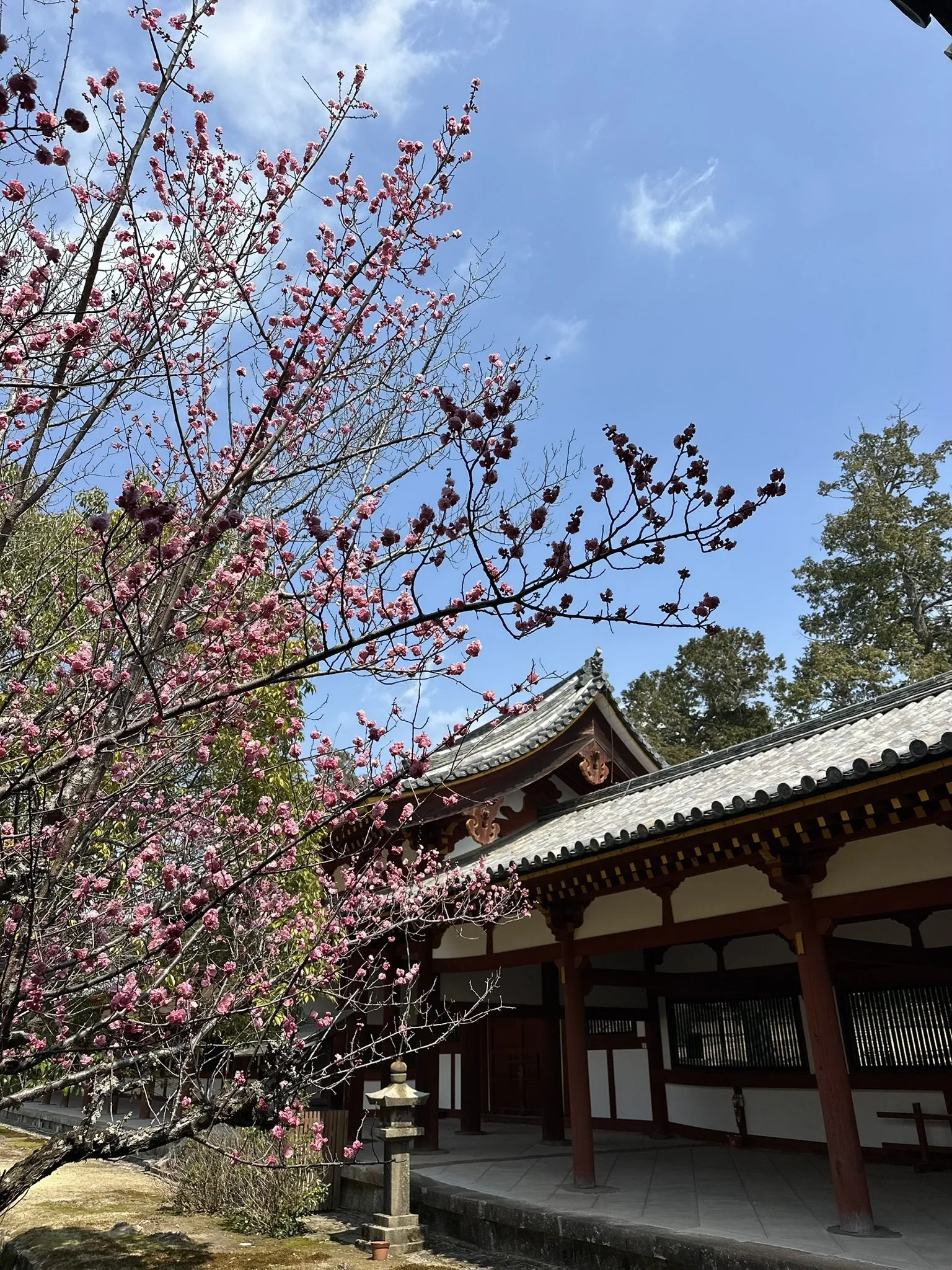
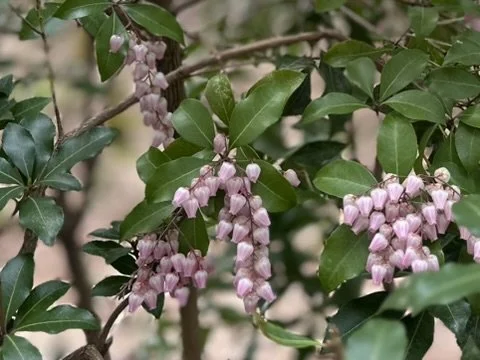
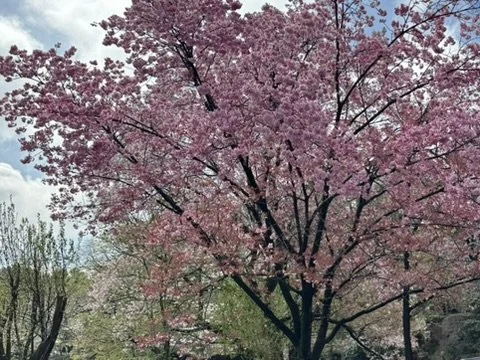
Seasonal Blooms – At the start of the trip, we spotted vibrant pink plum blossoms, white magnolia blooms, yellow daffodils, purple irises, pink camellias, and early-blooming white and pink cherry blossoms.
Memorable Dining
Andy’s Shin Hinomoto – A lively, old-school spot known for seafood, skewers, and an atmospheric, slightly chaotic energy that felt distinctly Tokyo.
Izakaya Dining – One of the pleasures of Tokyo is simply ducking into a small izakaya, Japan’s version of a casual pub or tavern. Many are incredibly compact, tucked into narrow side streets or upper floors, with twisting layouts and tiny kitchens that seem to make impossible use of limited space.
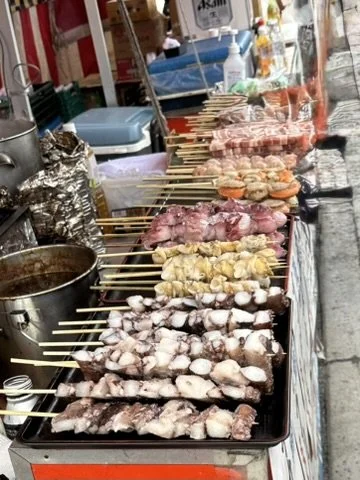
Street Food – Casual bites such as yakitori—grilled chicken skewers cooked over charcoal—make excellent quick meals or snacks while exploring. Tokyo’s street and market food culture adds an informal layer to the city’s dining scene.

Kanazawa (3 Nights)
Why We Chose It
Kanazawa is often referred to as “Little Kyoto” because it preserves many elements of traditional Japan—geisha districts, samurai neighborhoods, historic architecture, and refined cultural arts—but with fewer crowds and a more relaxed pace. It offered a strong cultural contrast to Tokyo while still being easily accessible by train.
Lodging: Uan Kanazawa, a boutique hotel blending traditional Japanese design with modern comfort.
Atmosphere: Elegant and understated. The property strikes a balance between traditional aesthetics and contemporary finishes, with a calm, refined feel throughout.
Room Notes: One of the most memorable stays of the trip—spacious, thoughtfully designed, and distinctly Japanese in style, with warm materials and a sense of authenticity.
Highlights
Half-Day Private Tour – An excellent introduction to Kanazawa, including a walking tour of the samurai district (Nagamachi) and a behind-the-scenes visit to Kaikaro, the oldest continuously operating geisha house in the city.
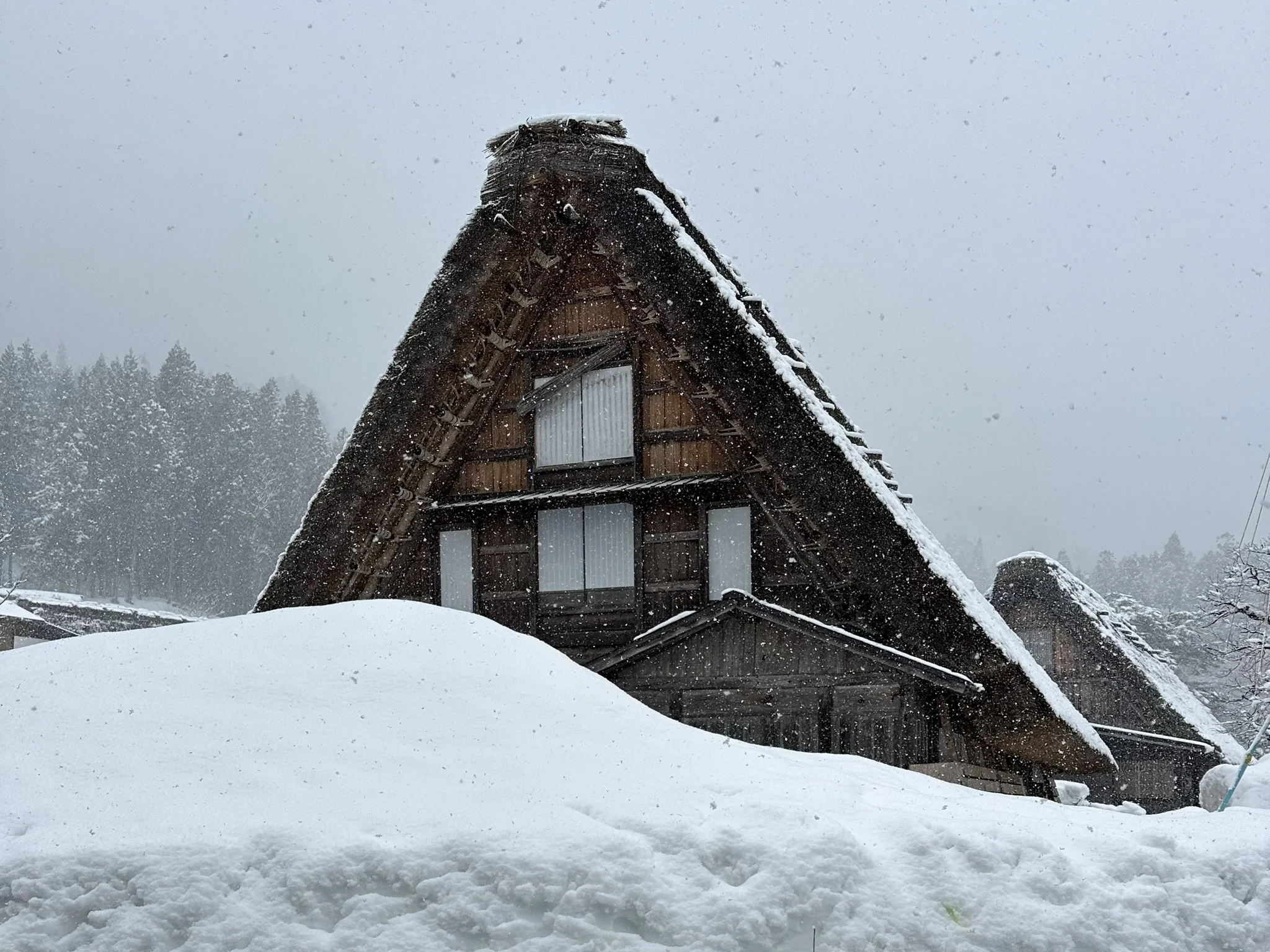
Shirakawa-go Day Trip – A postcard-perfect mountain village known for its traditional gasshō-zukuri farmhouses. Visiting in winter, with snow covering the steep thatched roofs, made it especially memorable.
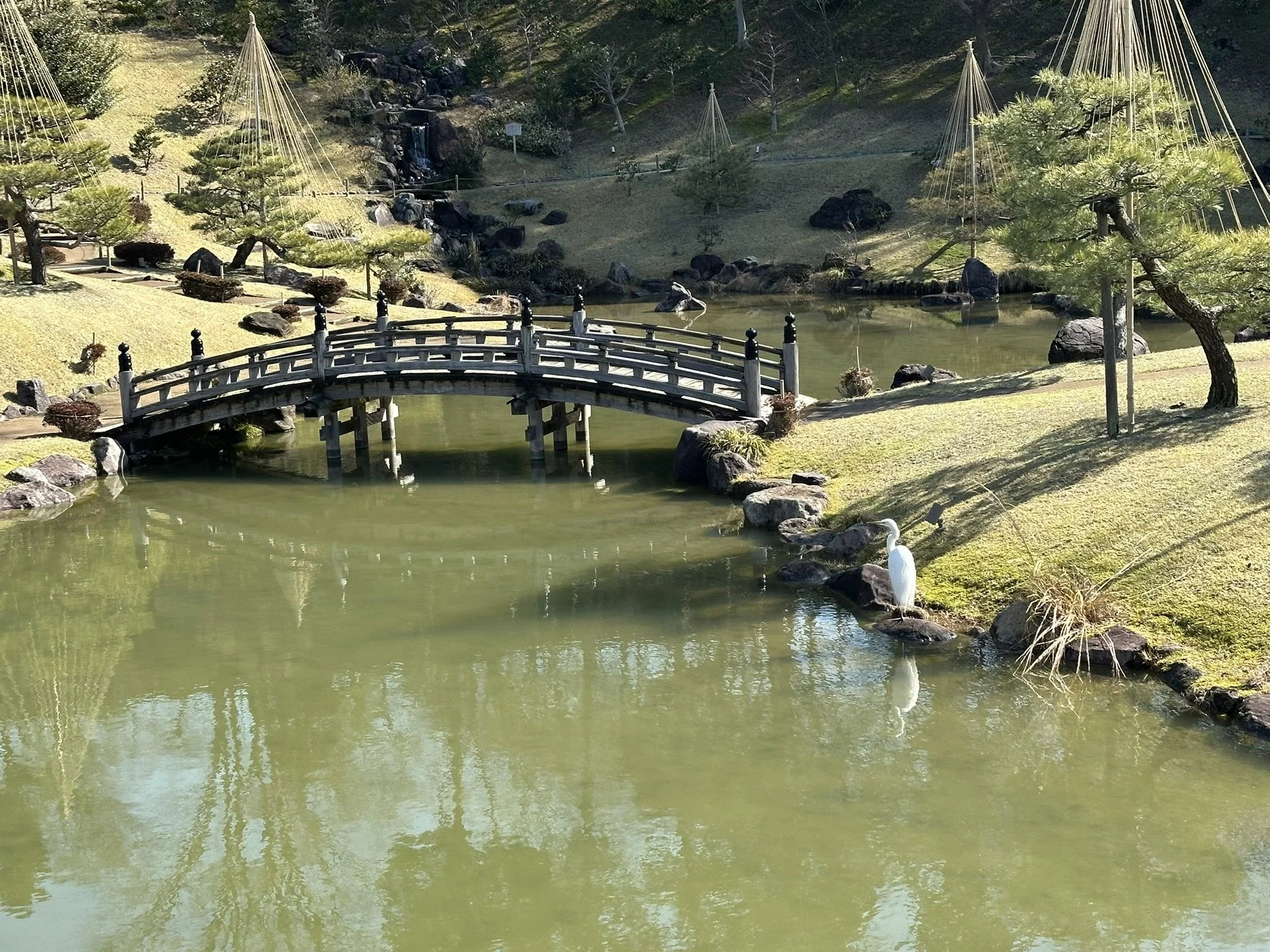
Kenrokuen Garden – Considered one of Japan’s three most beautiful landscape gardens, featuring meticulously designed paths, ponds, bridges, and seasonal plantings.
Memorable Dining
Akame-chan (Kanazawa) – A small, local spot with a renowned sushi chef, offering a distinctly Japanese dining experience replete with a charming companion robot to entertain diners.
Ōmichō Market – A lively local market known for fresh seafood and regional specialties. We had the best wagyu beef of the trip here, served simply and cooked to highlight the quality of the meat.
DIY Sushi Experience (Kanazawa) – We can’t recall the name, but the hands-on format made it memorable—and confirmed that sushi is best left to the professionals.
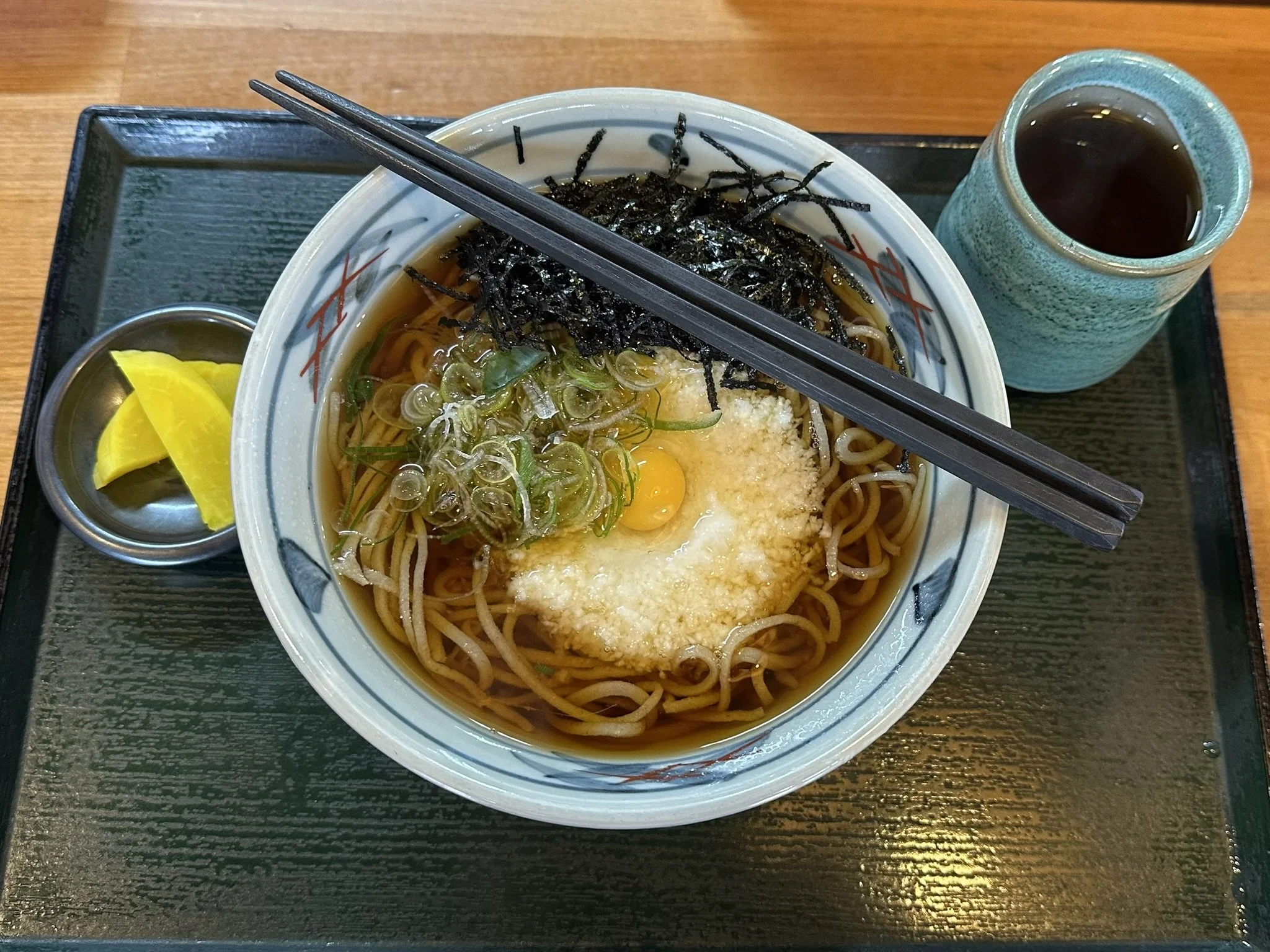
Irori (Shirakawa-go) – A traditional rustic noodle house with a famously long line. Despite the wait—in freezing temperatures—it proved to be well worth it for the setting and simple, satisfying food.
Osaka (4 Nights)
Why We Chose It
Osaka is known as Japan’s food capital, and it also provided a convenient base for several easy day trips. The timing of our visit intentionally aligned with the Grand Sumo Tournament, which made it a natural addition to the itinerary.
Lodging: Cross Hotel Osaka, chosen for its central location in Dotonbori, making it easy to access restaurants, nightlife, and transit.
Atmosphere: Modern and sleek, with a lively energy reflecting the surrounding neighborhood.
Room Notes: Compact, clean, and efficient—typical of urban Japanese hotels.
Highlights
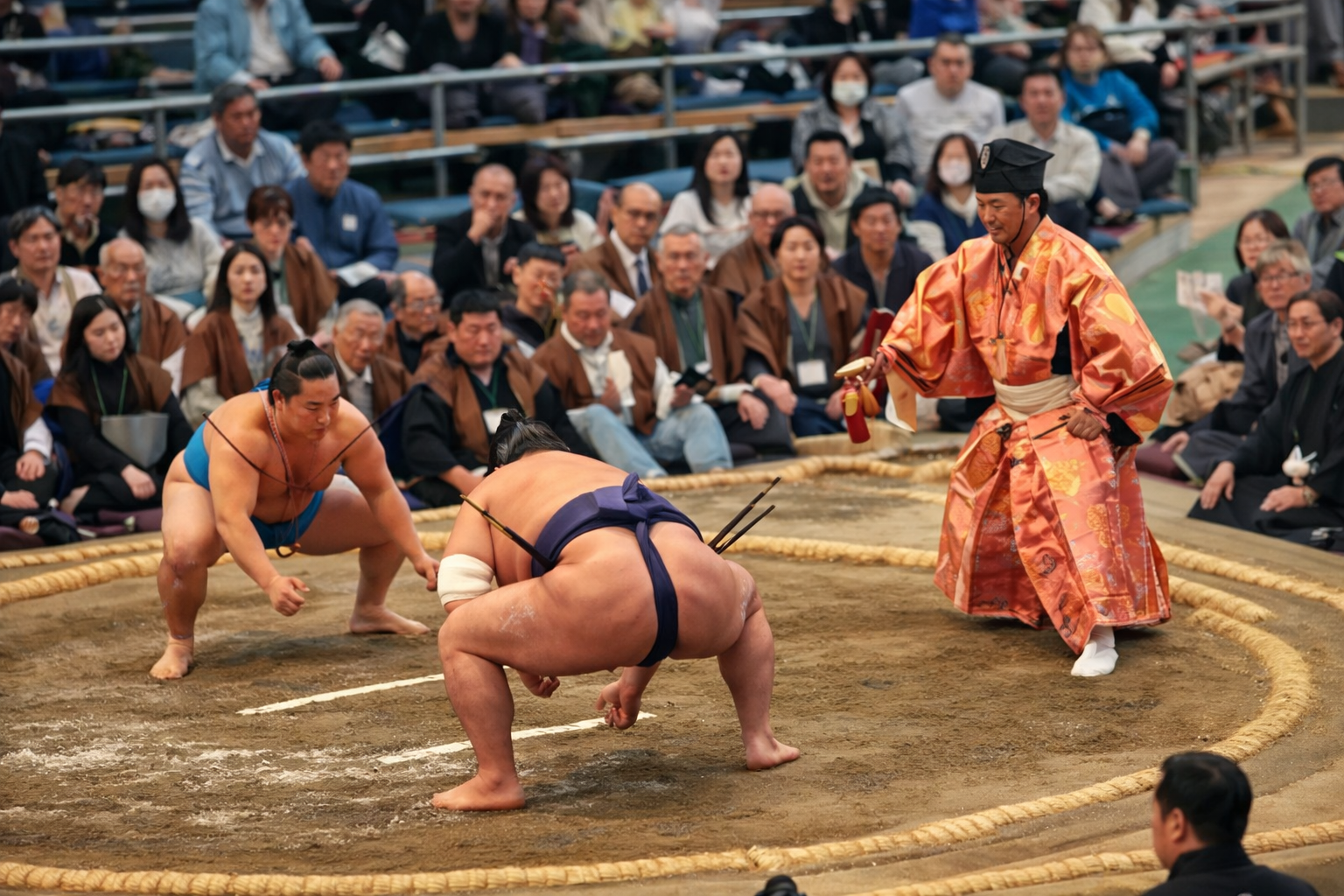
Grand Sumo Tournament – Japan’s national sport. The experience was orderly, quiet, and deeply respectful, with rituals and traditions that added depth beyond the matches themselves.
Guided Food Tour – A structured way to sample Osaka’s food scene and understand its reputation as the country’s culinary hub.
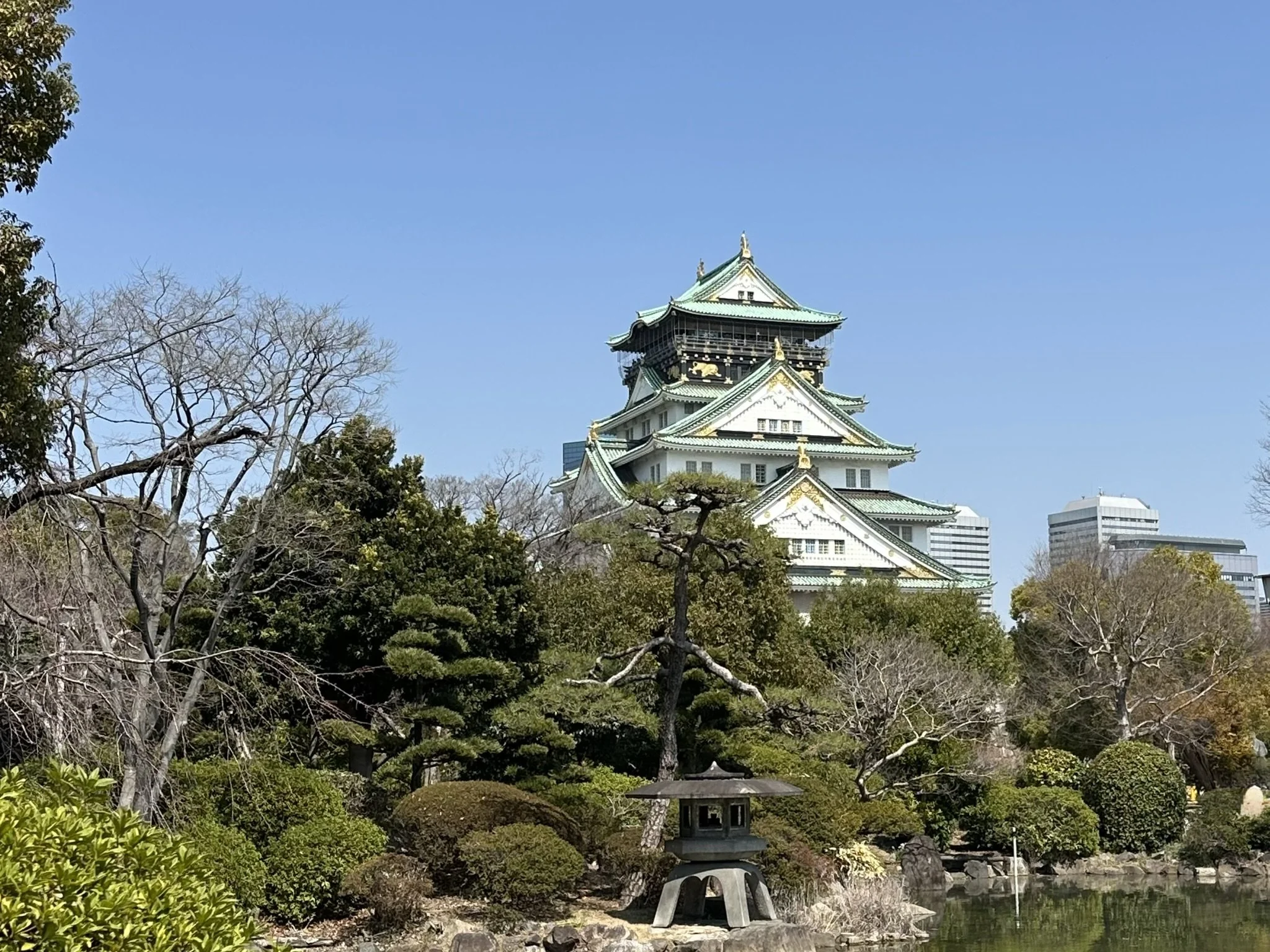
Osaka Castle - Impressive from the outside with its classic architecture and expansive grounds, but very crowded inside and less compelling as an interior experience.
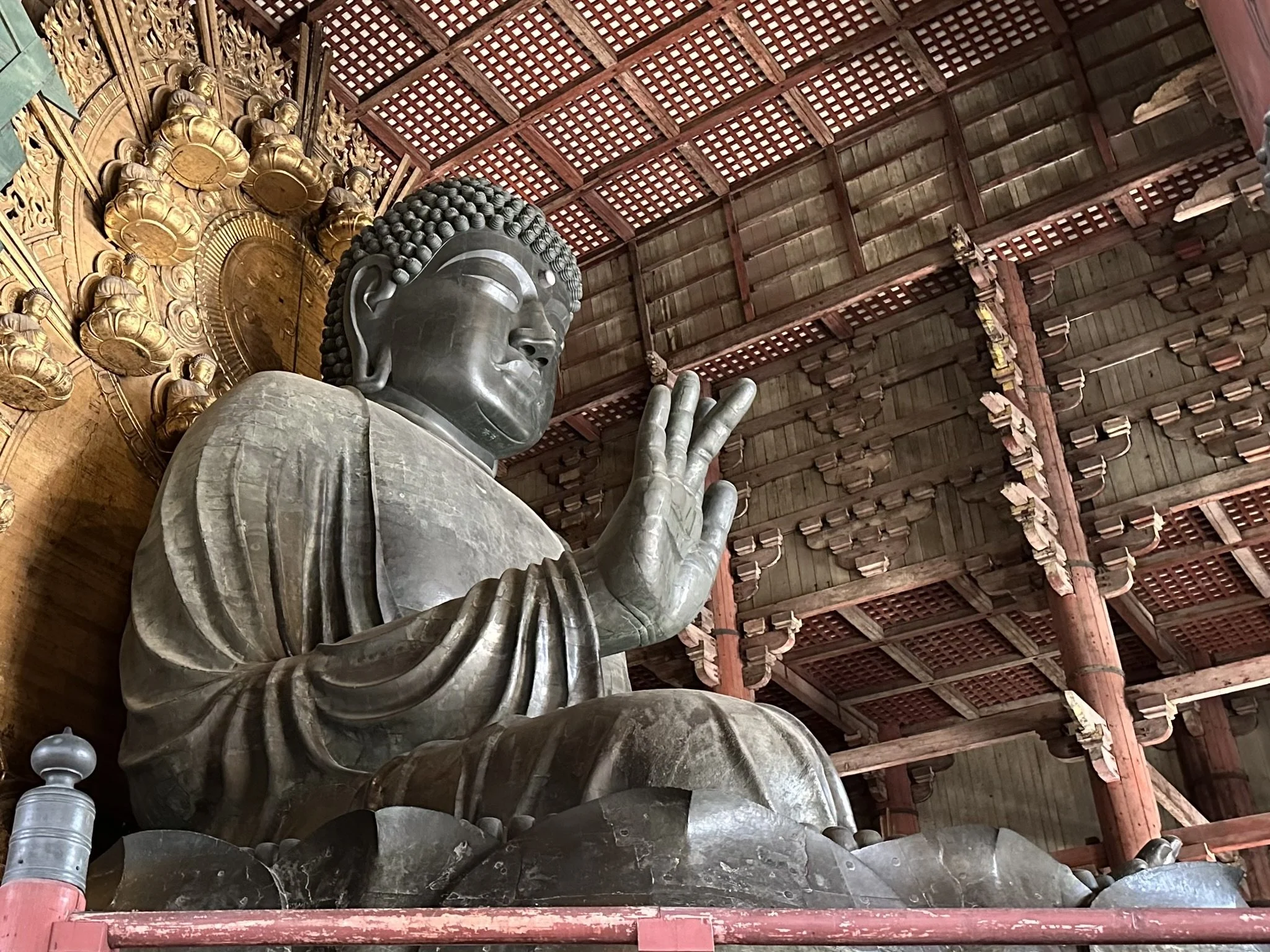
Nara Day Trip – Easy excursion to see Tōdai-ji Temple, home to the Great Buddha (Nara Daibutsu), Kasuga Taisha Shrine (famous for its thousands of stone and bronze lanterns), and the free-roaming deer in Nara Park.
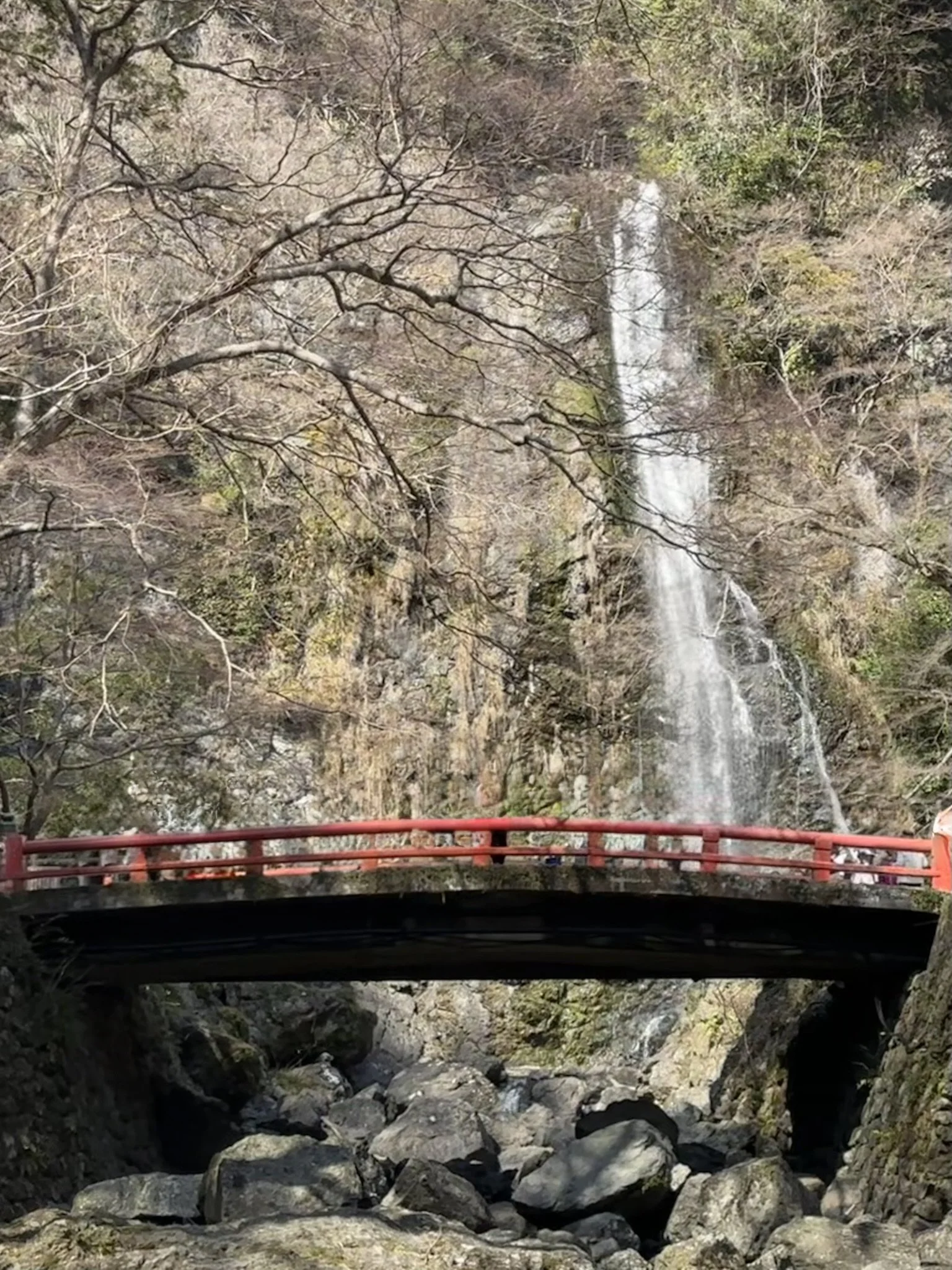
Minoo Falls Day Trip – A short trip outside the city to a peaceful forested trail leading to a scenic waterfall.
Memorable Dining
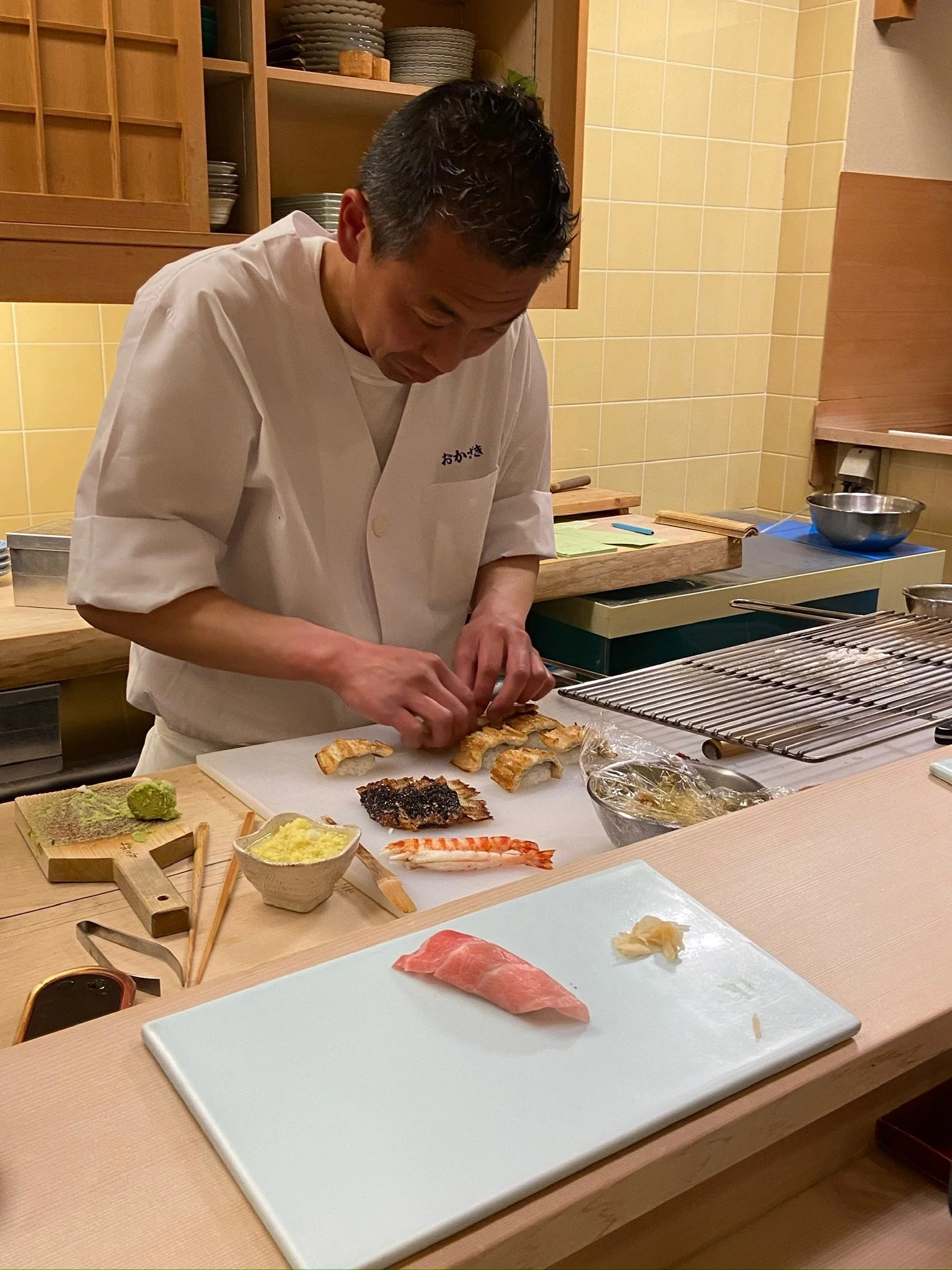
Okazaki Sushi Restaurant – Outstanding sushi restaurant featuring a highly regarded chef and an elevated dining experience.
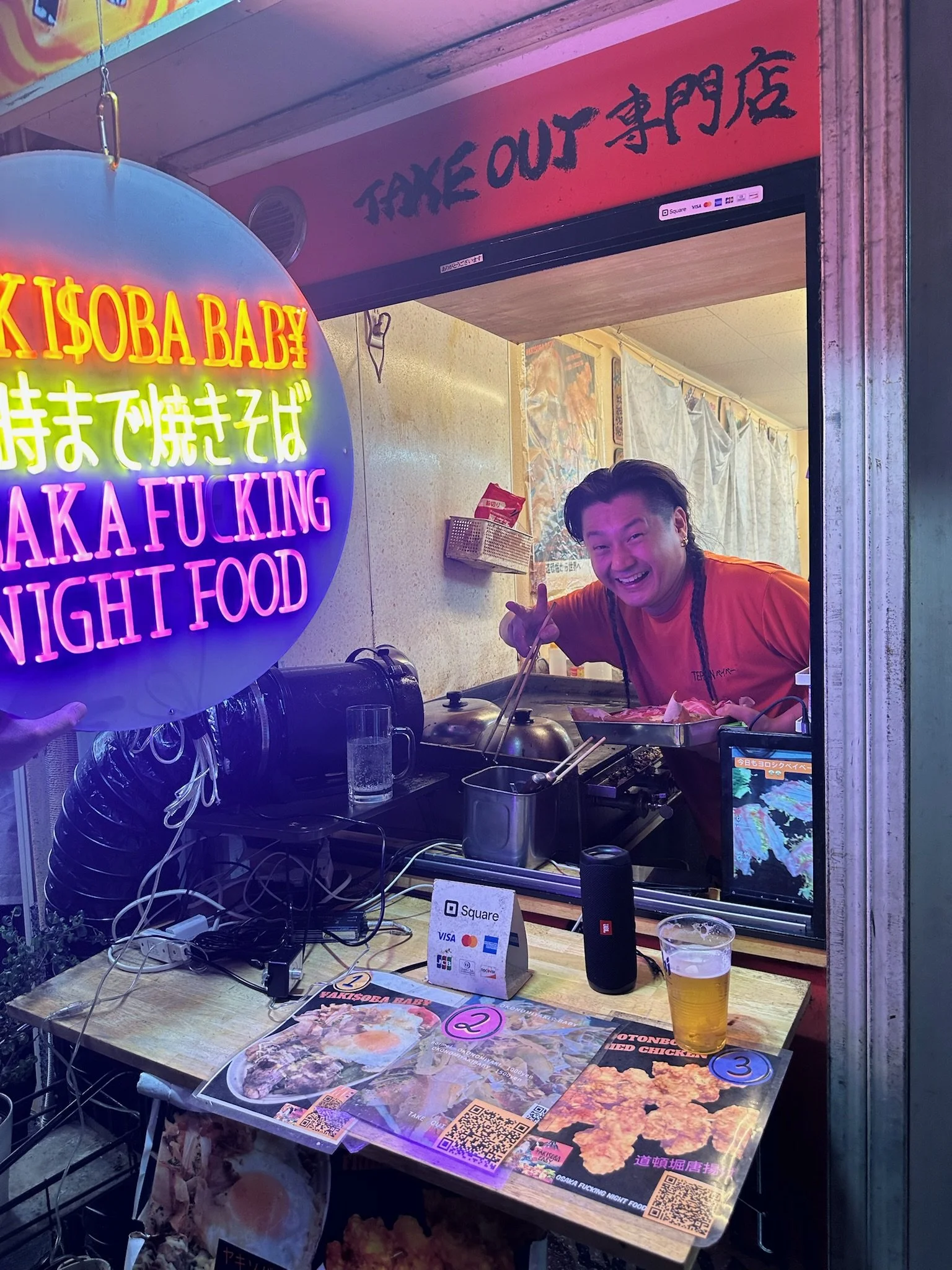
Street Food (Dotonbori) – Lively, high-energy atmosphere with options such as yakisoba (stir-fried noodles). Casual spots like Yakisoba Baby capture all the vibes.
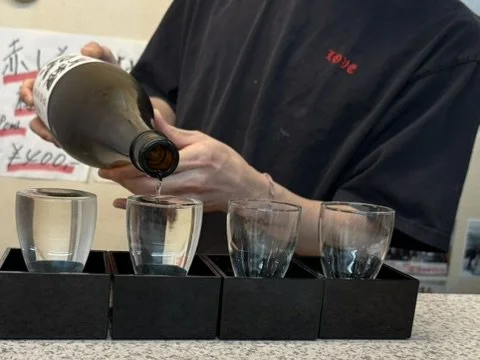
Sake Tasting – A worthwhile experience to better understand regional varieties and styles.
Okonomiyaki – A savory pancake cooked on a griddle, often at the table, creating a fun, communal dining experience.
Seasonal Strawberries – Widely available and notably high quality, often sold in multiple sizes and grades.
What Missed the Mark (for us)
Fruit Daifuku (fruit-filled mochi) – Visually compelling but not a standout in flavor or texture
Takoyaki – A local specialty (octopus tempura balls fried at the table) that did not align with our preferences
Shuzenji (2 Nights)
Why We Chose It
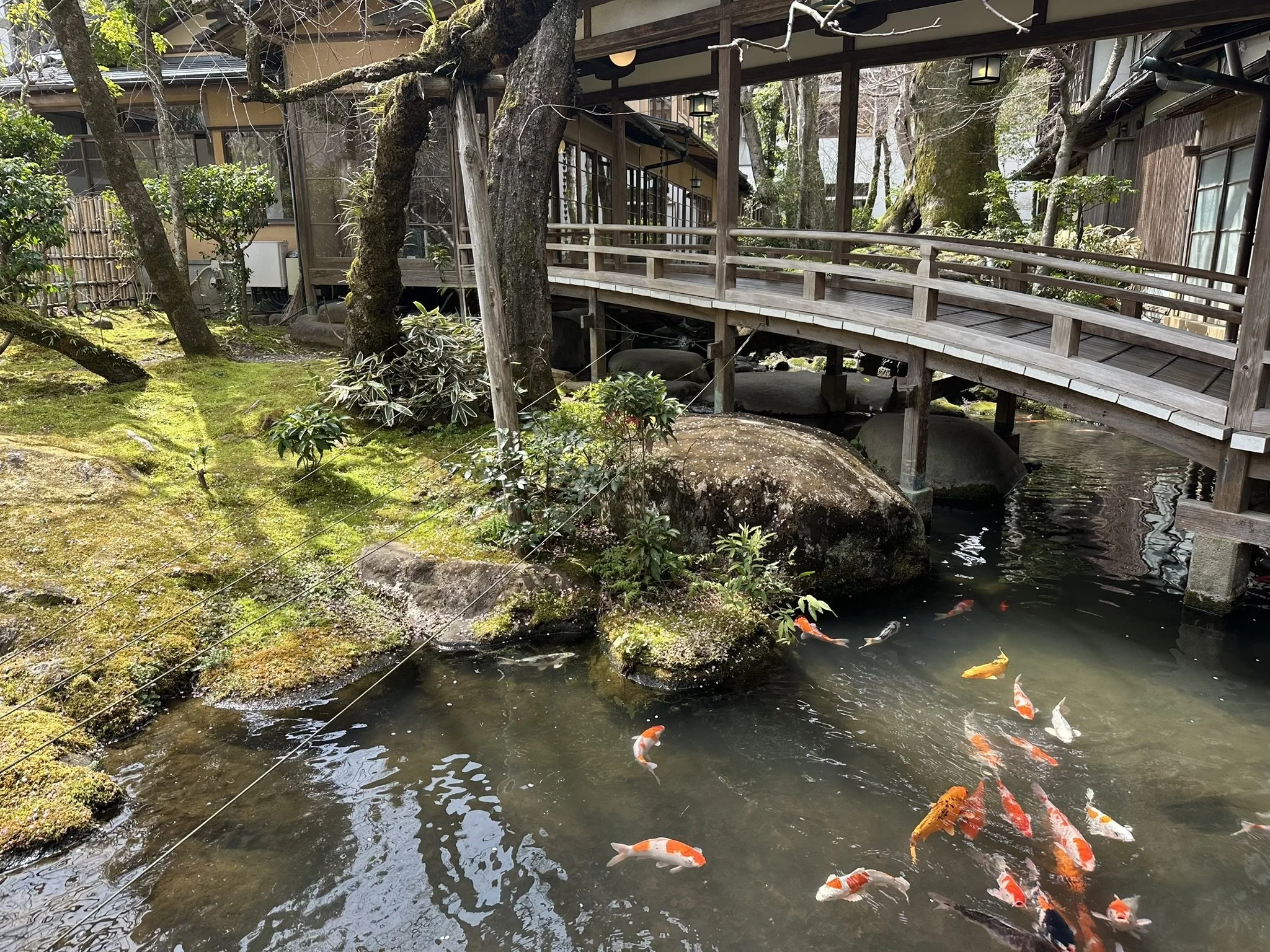
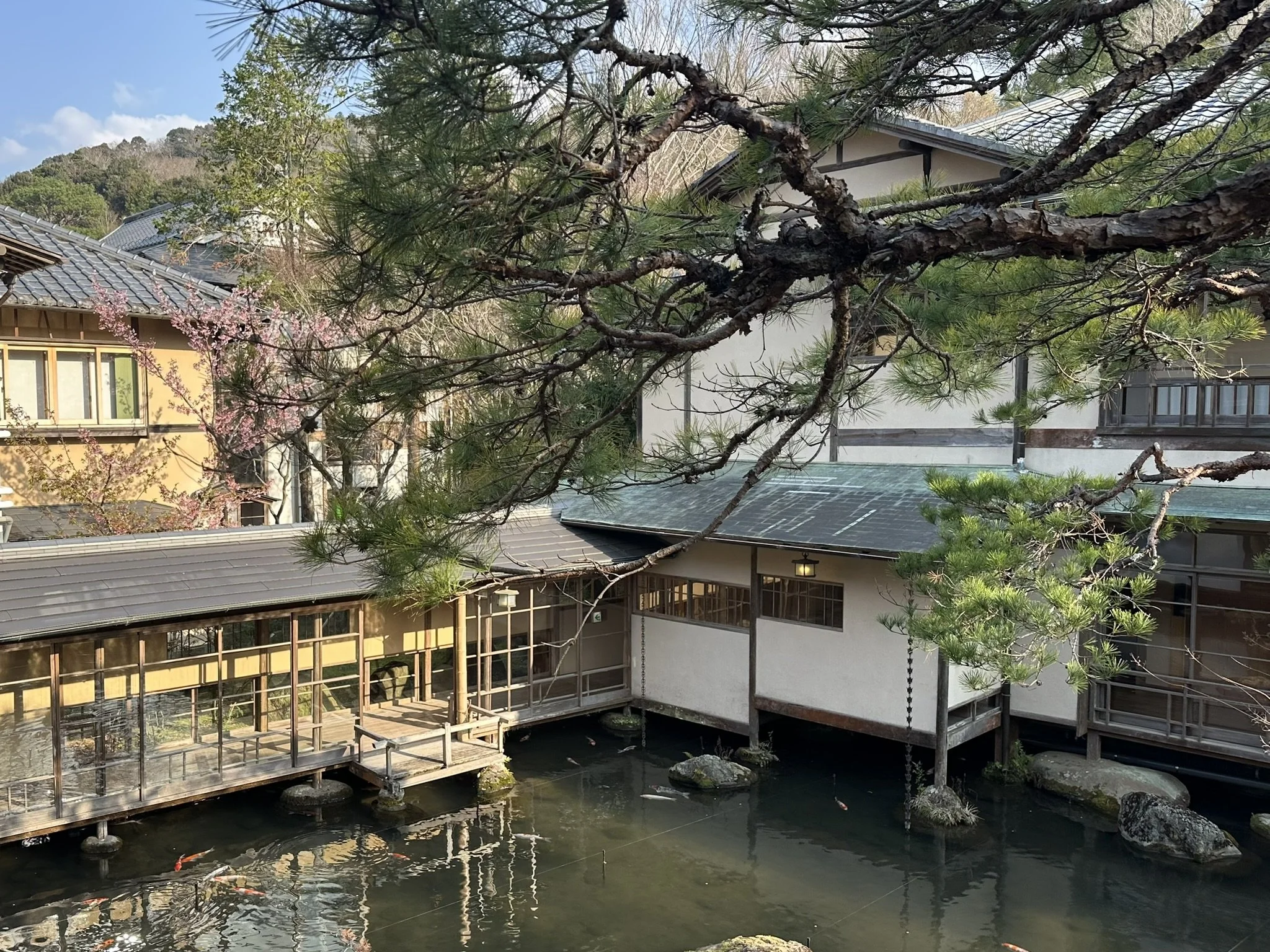
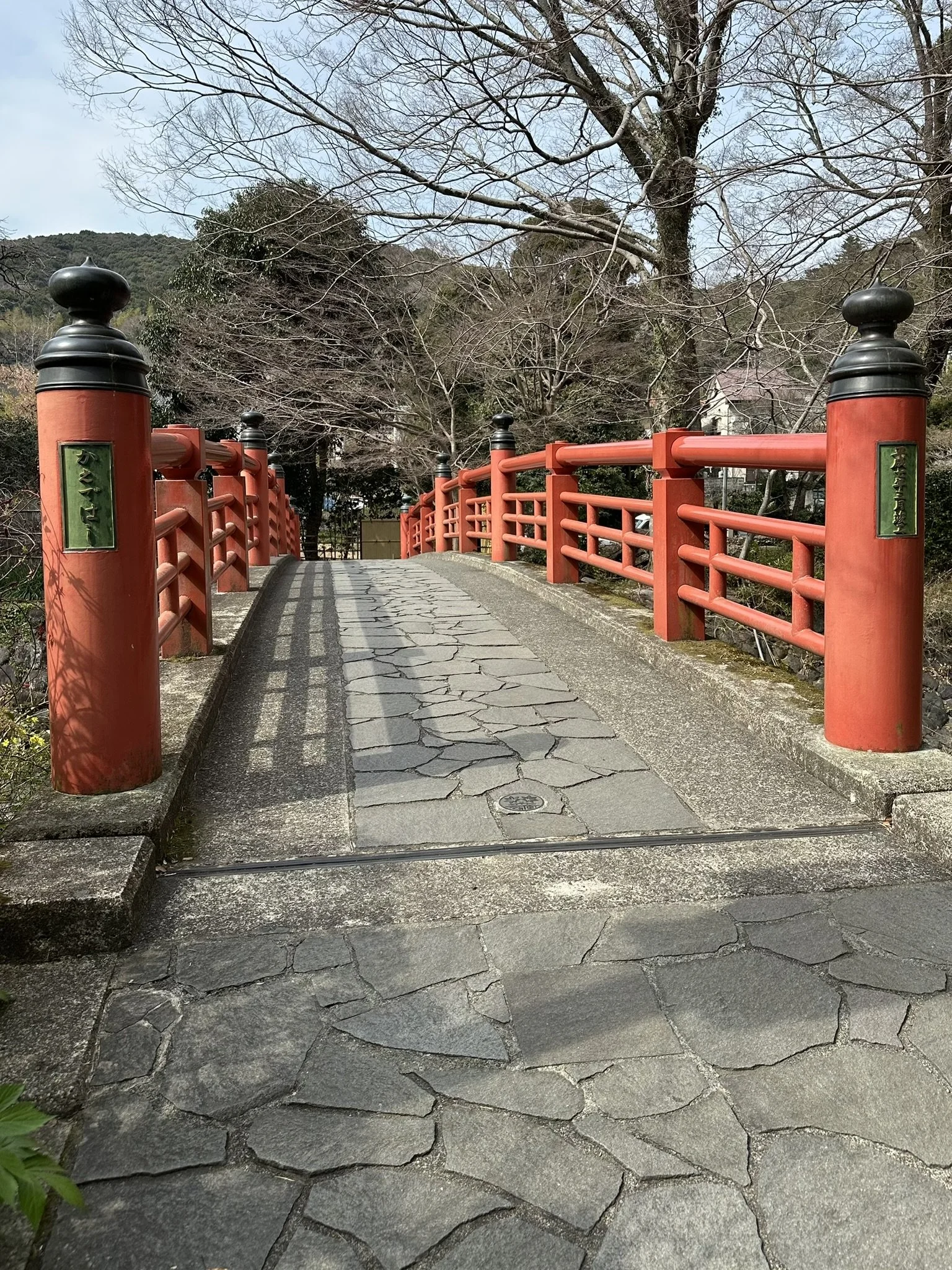
One of the defining experiences in Japan is staying in an onsen town (hot springs) at a ryokan (traditional inn). Shuzenji, located on the Izu Peninsula, is one of the most accessible and atmospheric onsen towns from Tokyo. It offers a quieter, more traditional experience compared to larger resort-style destinations, with historic streets, a small river running through town, and a relaxed pace centered around bathing and dining.
Lodging. Arai Ryokan, one of the most historic ryokan in the region, known for its cultural significance and beautifully preserved architecture.
Atmosphere: Peaceful and restrained, with a strong sense of tradition. Service was exceptional, though very little English was spoken. The grounds were meticulously maintained, with gardens, pathways, and water features that felt carefully curated and calming.
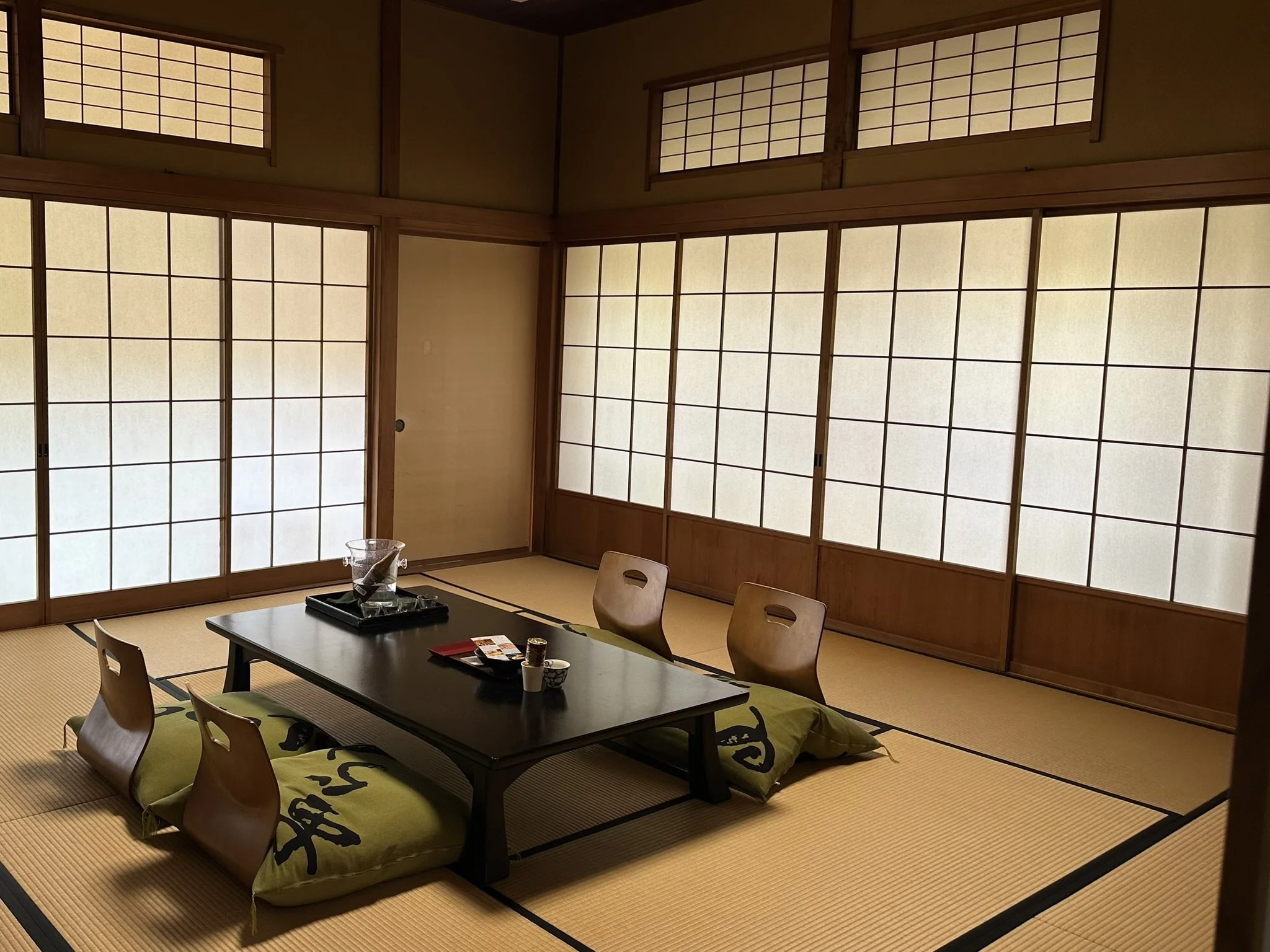
Room Notes: The most memorable stay of the trip due to its authenticity. Our room featured tatami mats, sliding doors, and traditional design elements. We paid extra for a private Japanese-style soaking tub, which added both comfort and privacy.
Highlights
Public Onsen – Communal bathing areas on the property separated by gender, including beautiful outdoor baths.
In-Room Dining (Kaiseki) – Multi-course meals served in the room with ceremonial pacing, attentive service, and highly artistic presentation.
Know Before You Go
Language – English is not widely spoken in Shuzenji, particularly at traditional ryokan. Expect some communication gaps and plan accordingly.
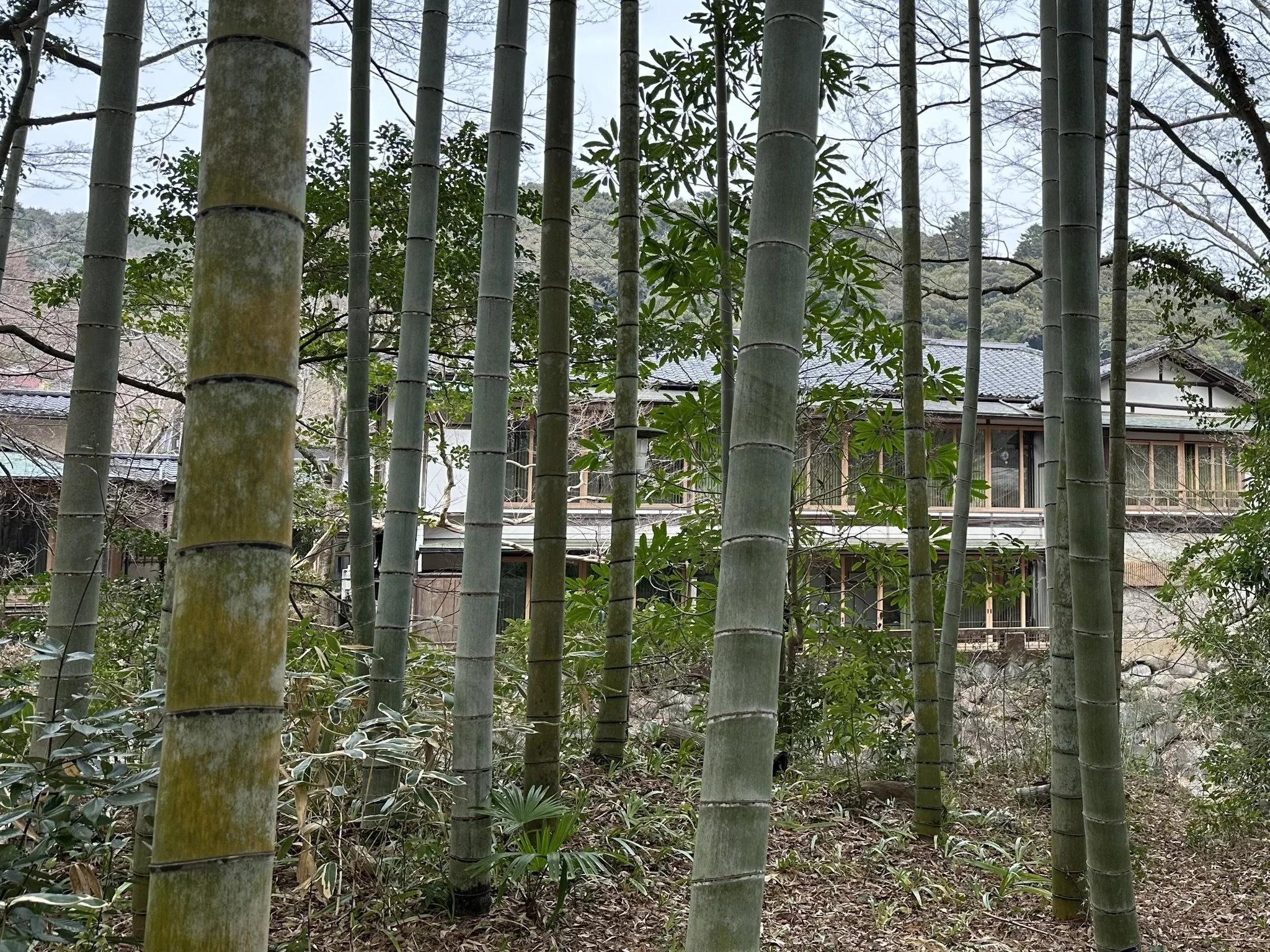
Activities – Shuzenji is intentionally low-key. Beyond strolling the bamboo grove along the Katsura River and visiting Shuzenji Temple, there is not a long list of activities. The focus is on slowing down, relaxing, and enjoying the ryokan experience.
Etiquette – Public onsen are separated by gender, and tattoos and swimwear are generally not permitted. Proper bathing etiquette is expected (wash before entering, no towels in the water). We found it helpful to observe and follow the lead of local guests.
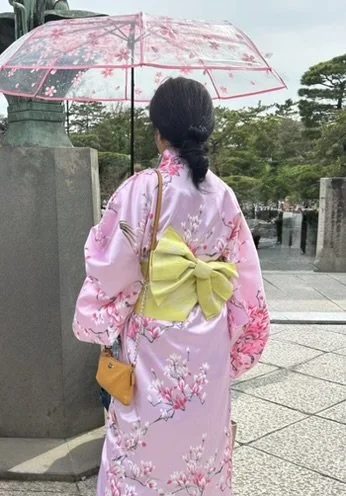
Attire – At Arai Ryokan, guests are provided with traditional attire to wear around the property: a yukata (casual cotton kimono) and an additional outer layer for dining. Guests can choose their preferred colors, but sizing is assigned. The garments are meant to be worn throughout your stay, and legs should remain covered, particularly in shared spaces and during meals.
Footwear– As in much of Japan, shoes must be removed when entering ryokan and many indoor spaces. You will typically be provided with slippers for general use and separate slippers for bathrooms, so be prepared for frequent transitions.
Tokyo - West (3 Nights)
Why We Chose It
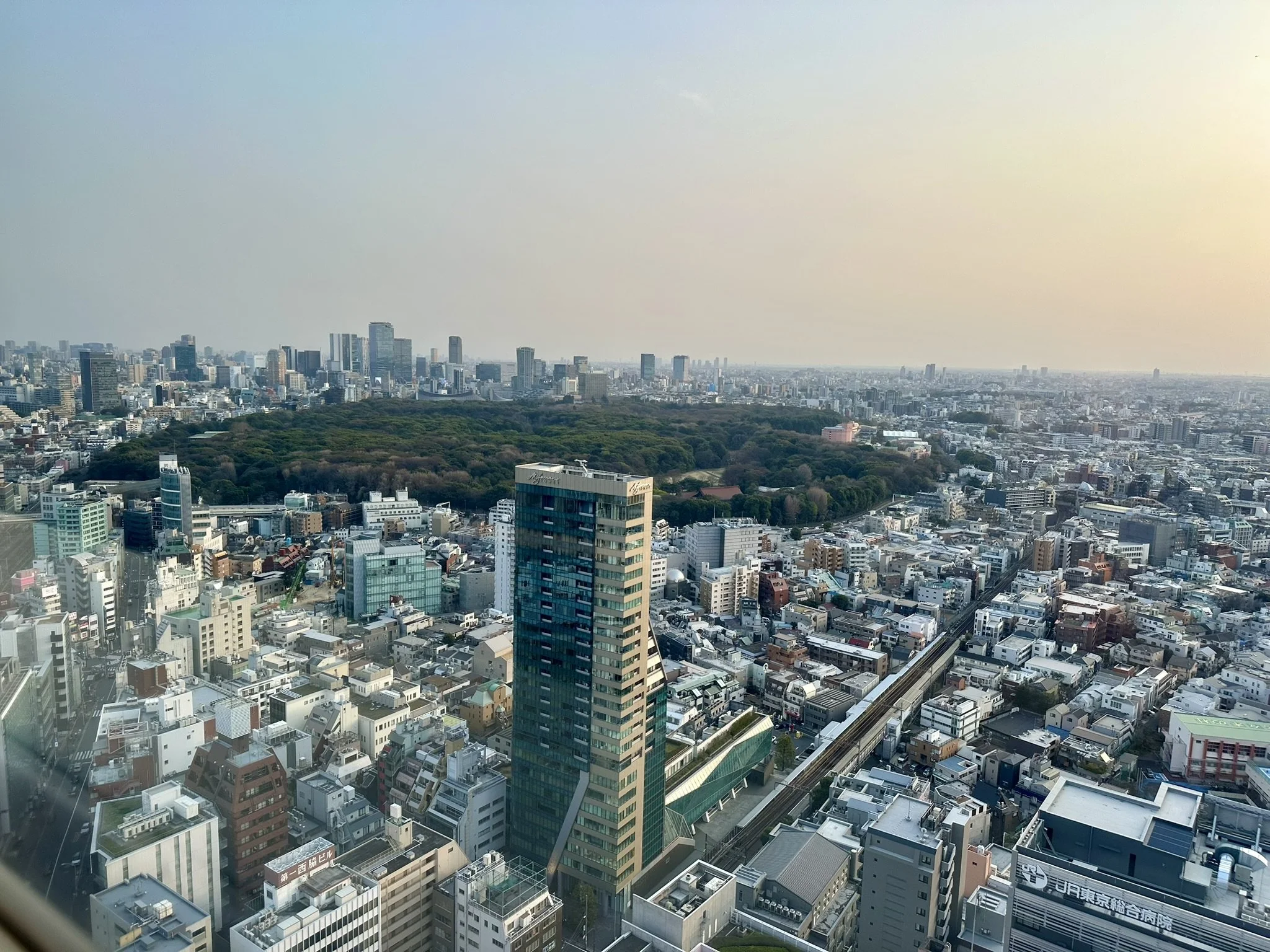
Tokyo is a logical ending point for many Japan itineraries due to its international flight connections. To round out the trip, we stayed on the west side of the city, which provided easy access to Shibuya, Yoyogi Park, Meiji Shrine, and Takeshita Street (Harajuku)—a mix of iconic sights, green space, and lively neighborhoods.
Lodging: Century Southern Tower. We chose it for its convenient location in Shinjuku, within walking distance of Yoyogi (Maya’s childhood home), proximity to transit connections, and panoramic city views.
Atmosphere: Busy, vertical, and distinctly urban. The hotel feels large-scale and efficient, with restaurants on multiple levels and expansive skyline views.
Room Notes: Clean, modern, and functional, with excellent views over the city.
Highlights
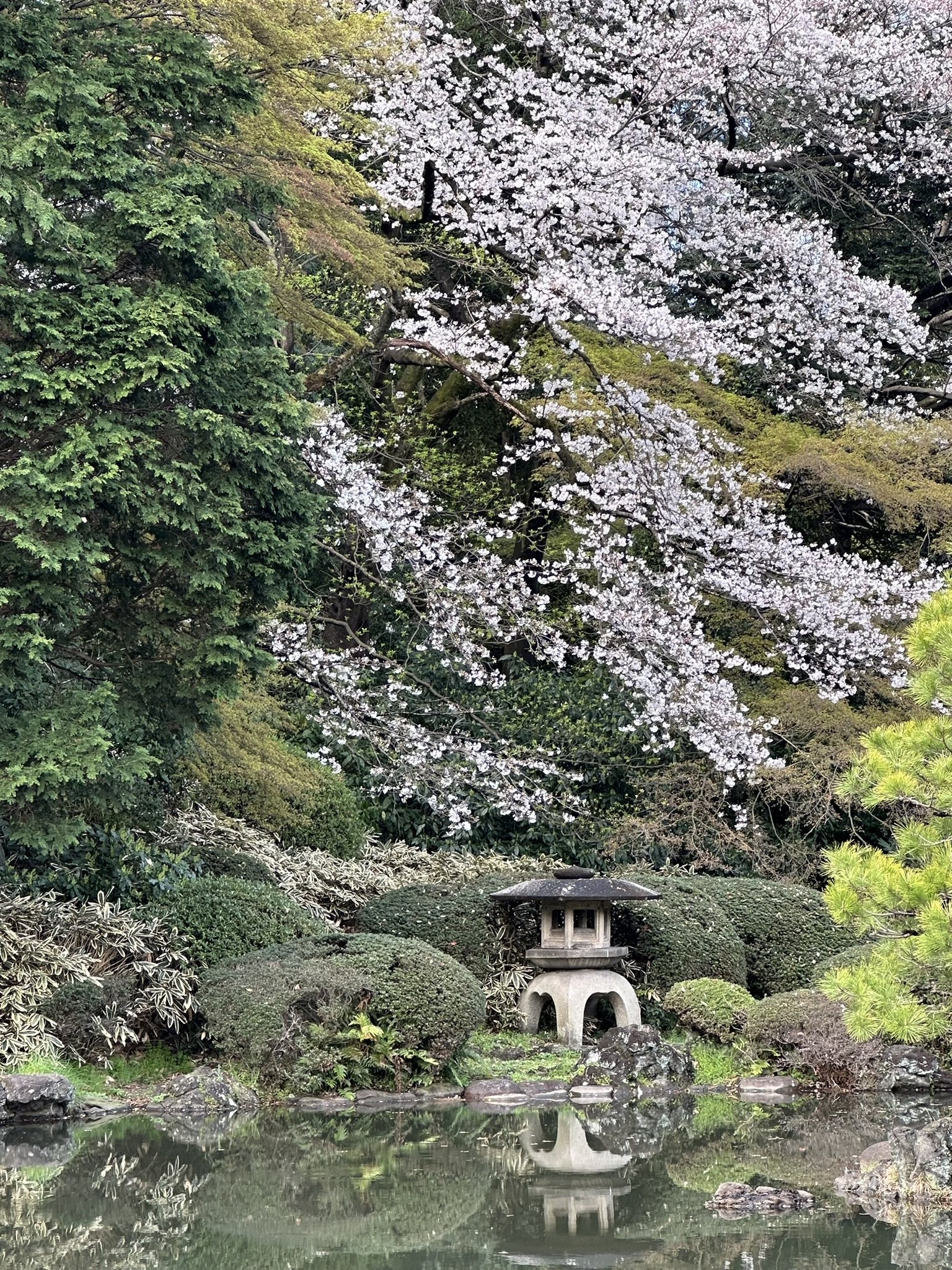
Cherry Blossoms (Sakura) – We returned to Tokyo just as the blossoms were approaching peak bloom, which allowed us to enjoy the tradition without the heaviest crowds that followed days later.
Shinjuku Gyoen National Garden – One of Tokyo’s best spots for cherry blossoms, featuring expansive lawns, traditional Japanese gardens, and classic teahouse-style structures in a peaceful setting.
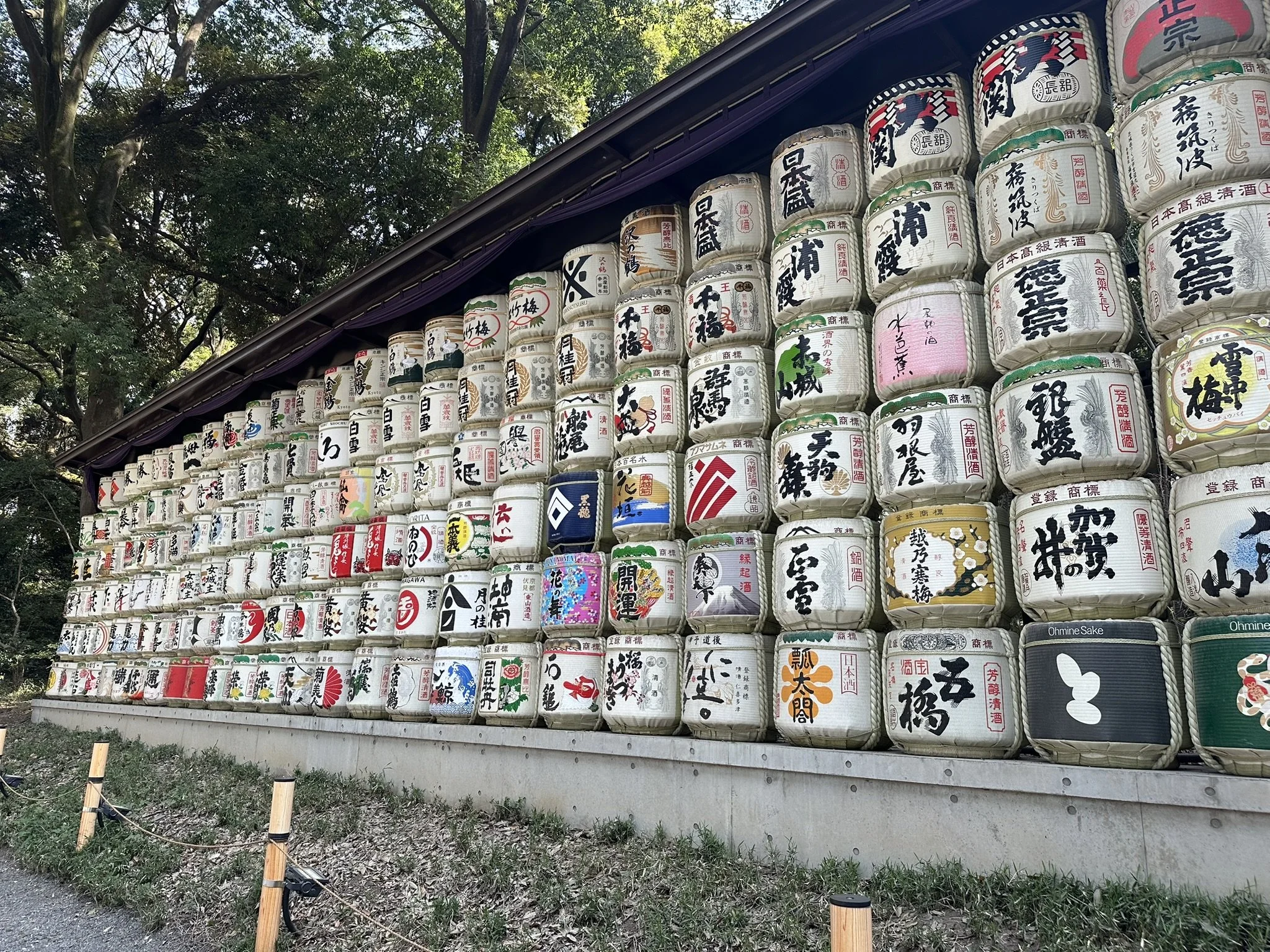
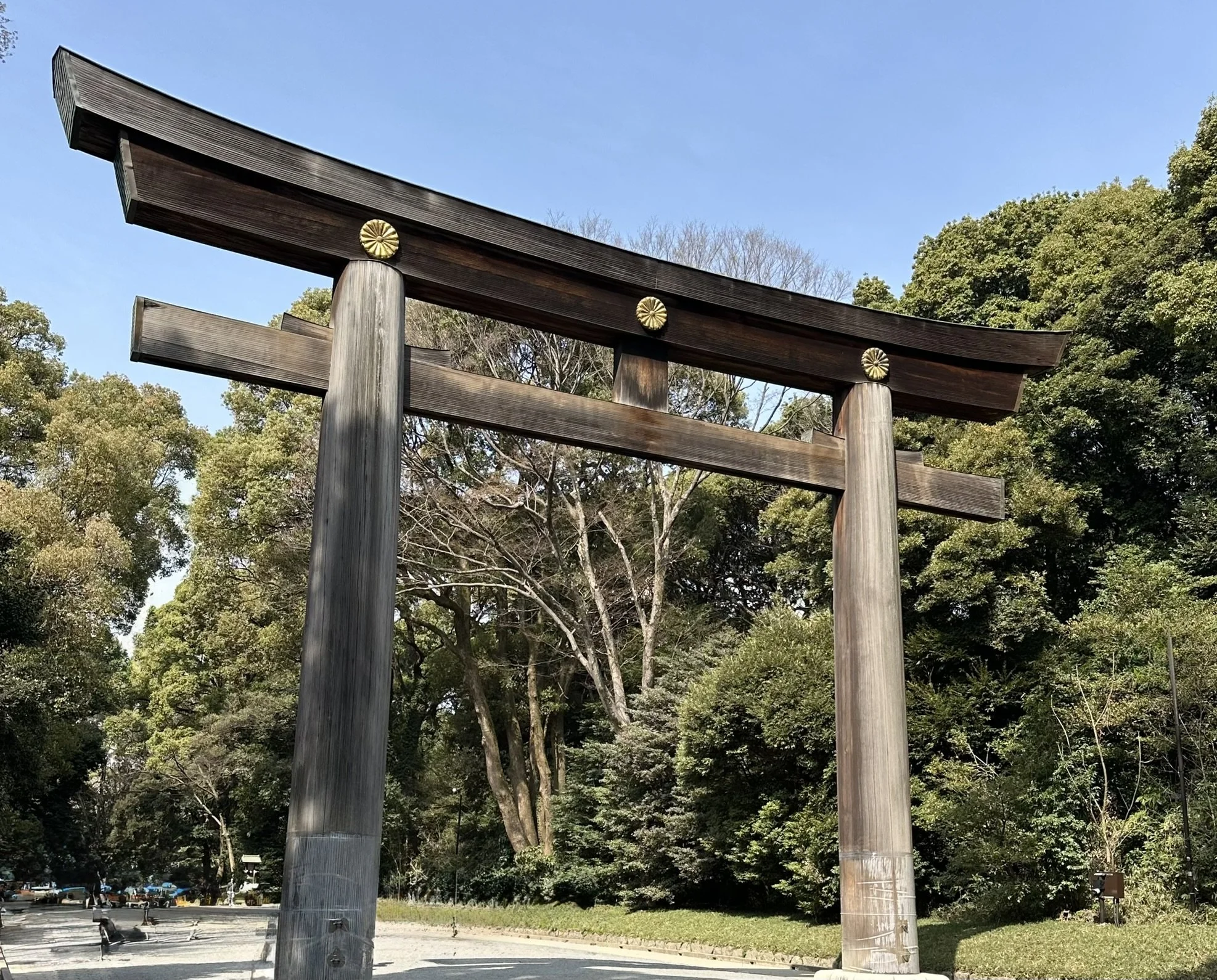
Meiji Shrine & Yoyogi Park – A peaceful Shinto shrine set within a forested area, marked by one of Japan’s largest wooden torii gates. Adjacent Yoyogi Park offers a broad green space with walking paths, ponds, and seasonal cherry blossoms.
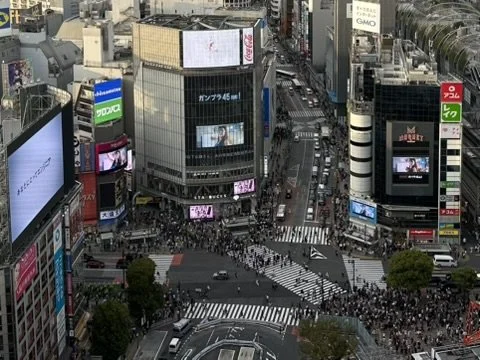
Shibuya Scramble Crossing – One of the busiest intersections in the world. Despite the scale, the experience felt orderly and calm, even on a Friday night.
Studio Ghibli Street Art – While we did not visit the museum, it was fun spotting Totoro and other characters in murals and small details around the city.
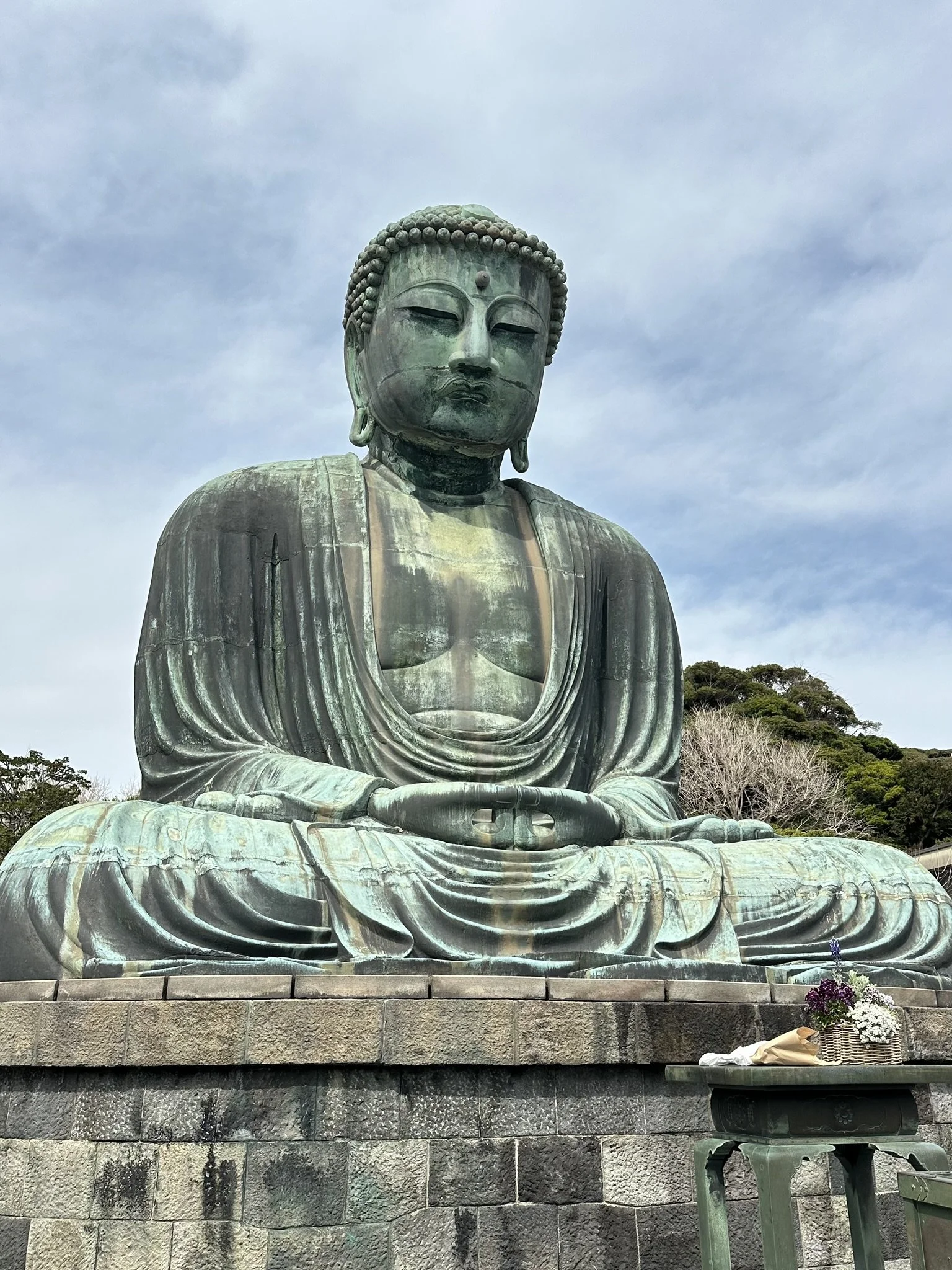
Kamakura Day Trip – Easy excursion to see the Great Buddha (Daibutsu) and coastal temples in this historic town south of Tokyo.
Memorable Dining
Tsukiji Breakfast Tour – A guided introduction to Tokyo’s seafood culture, with multiple small tastings and context around the former inner fish market.
Han-no-Daidokoro Bettei Restaurant (Shibuya)- High-grade wagyu beef yakiniku, where premium cuts are grilled at your table, offering a rich, hands-on dining experience.
CÉ LA VI Bar (Shibuya) – Cocktails with a bird’s-eye view of Shibuya Scramble, particularly striking at night.
Knock on Wood Bar (Shimokitazawa) – A small, intimate cocktail bar in one of Tokyo’s more eclectic neighborhoods. Like many Tokyo bars, it’s tucked up a narrow staircase, run by a passionate owner, and rewards those willing to seek it out.

This page may contain affiliate links, which means we may earn a small commission if you make a purchase through them at no additional cost to you.