
24 Hours in Salzburg, Austria
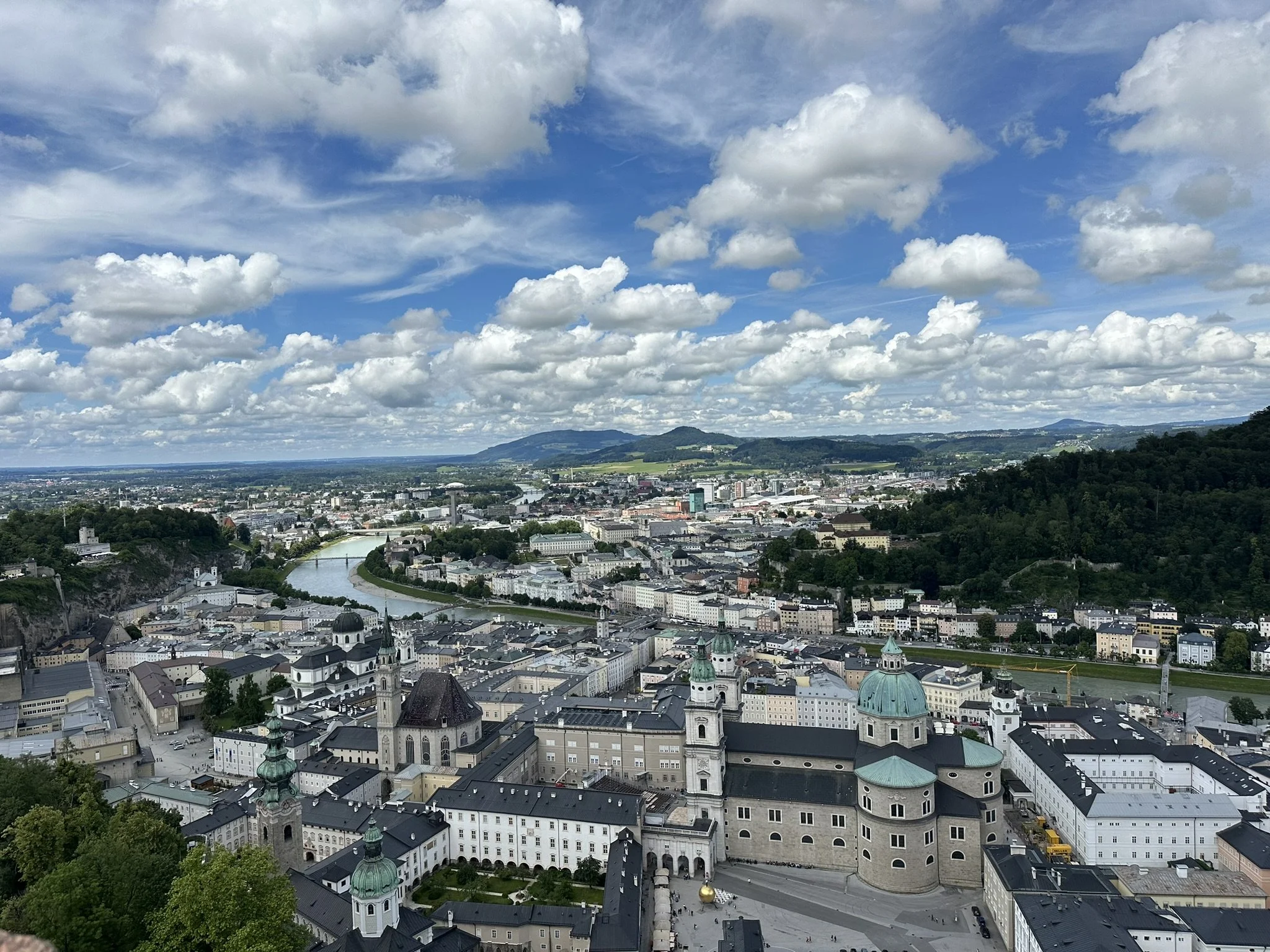
Salzburg is one of the few European cities that feels genuinely worthwhile even in just one day. Its compact historic center, baroque architecture, fortress views, riverfront setting along the Salzach River, and alpine backdrop create an experience that feels full without becoming exhausting.
Why Salzburg works well in 24 hours
Salzburg delivers a strong sense of place in a relatively small footprint. The historic core is easy to explore on foot, and the city’s major pleasures—ornate churches, elegant squares, old-town lanes, panoramic viewpoints, and riverside strolling—sit close enough together that the day can feel rich rather than rushed. It is a city that rewards walking, looking, and slowing down, which makes it especially well suited to a short stay.
What the day feels like
A day in Salzburg feels polished, scenic, and quietly dramatic. The old town is dense with visual detail—church domes, wrought-iron signs, pale stone facades, and narrow passageways—while the fortress and surrounding mountains give the city a broader, more cinematic setting. Salzburg is not a place that demands an aggressive sightseeing pace. It works better when approached as a city to absorb.
Best for travelers who want architectural beauty, scenic walking, and a polished historic center that feels elegant rather than overwhelming.
Morning: Altstadt and the walking tour
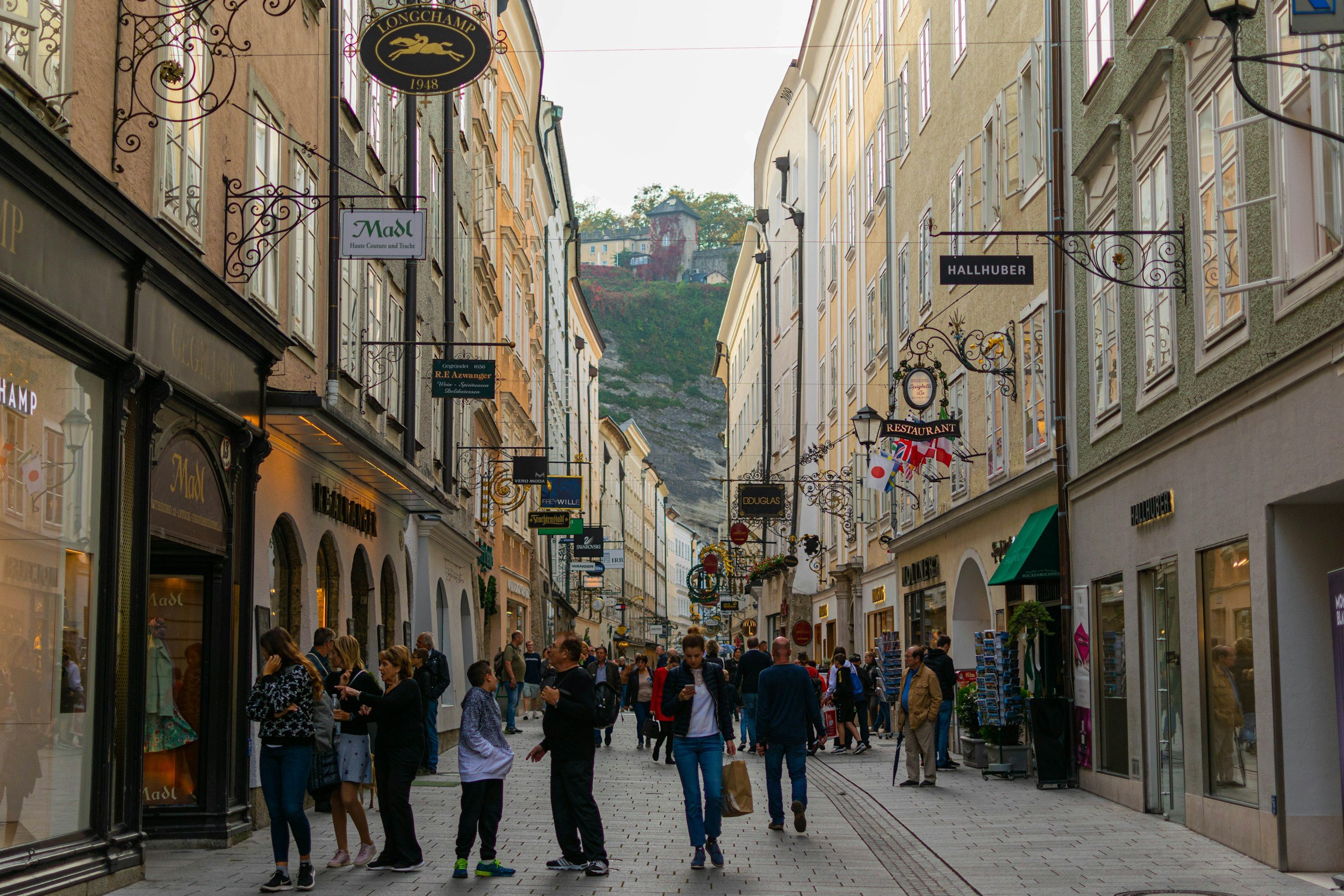
Start in the Altstadt, when the streets are quieter and the city is at its most atmospheric. Rick Steves’ Audio Walking Tour is a practical and well-structured way to begin, offering enough guidance to give the morning shape without making the day feel overplanned. It suits Salzburg especially well because the city’s appeal lies not just in its landmarks but in the overall experience of moving through it.
As you follow the route, take time to notice the facades, passageways, church-filled squares, and baroque details that make Salzburg so visually rewarding. One of the most memorable stops is St. Peter’s Cemetery, a striking historic cemetery that has been maintained for centuries and where many burial plots remain under the stewardship of local families. It adds a quieter, more reflective dimension to the morning and stands apart from the more theatrical beauty elsewhere in the city.
Midday: Fortress views
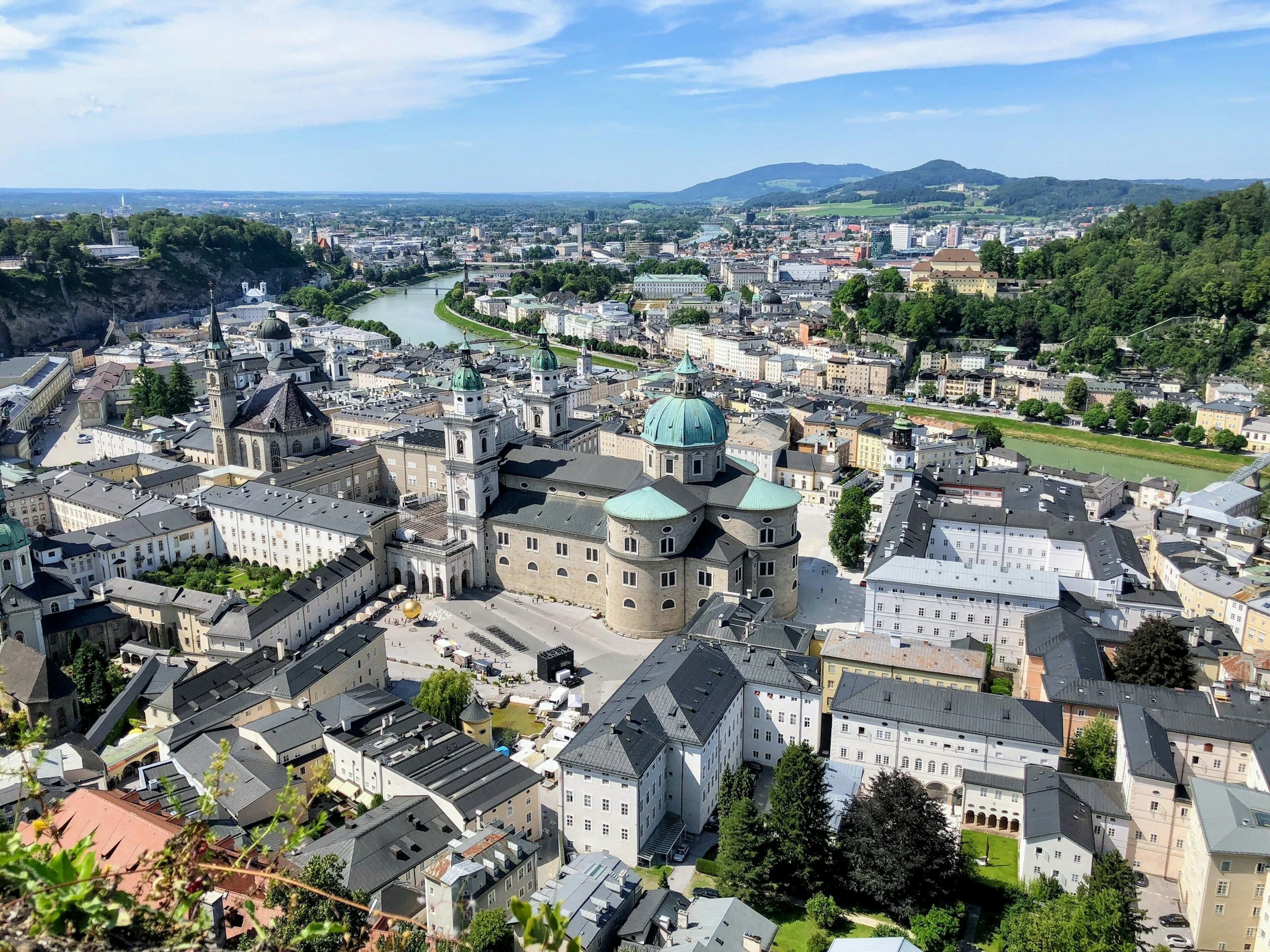
From the historic center, continue up to Hohensalzburg Fortress for the visual high point of the day. The sweeping views over rooftops, church spires, and the surrounding mountains pull the city together and make Salzburg’s compact scale feel like an advantage rather than a limitation. This is the moment when the old town, the river, and the alpine backdrop all come into focus at once.
Afternoon: Along the Salzach River
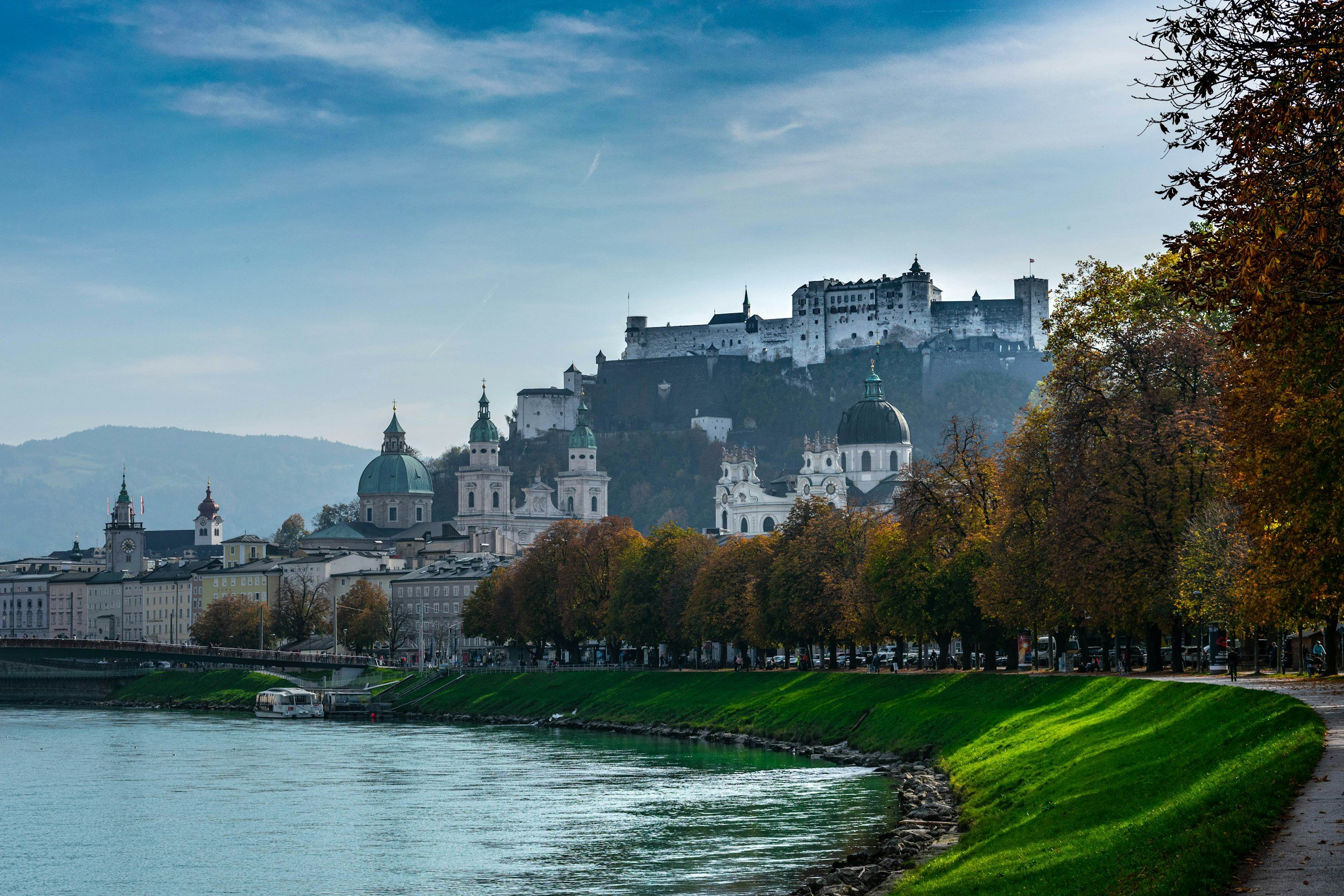
Later in the day, slow the pace and spend time strolling along the Salzach. The riverfront gives Salzburg some breathing room and some of its best open views, balancing the tighter rhythm of the old town. This part of the day matters more than it may seem on paper. Without it, Salzburg can feel almost too composed. With it, the city opens up and feels more graceful. The contrast between the intimate lanes of the historic core and the broader riverfront is part of what makes Salzburg so memorable.
Evening: Dinner and a calmer Salzburg
As evening approaches, Salzburg settles into a calmer version of itself. This is a good time for an unhurried dinner and one last walk through the center. ES:ZIMMER is an excellent choice for refined fine dining in an intimate setting, with beautifully plated dishes, polished service, and a more contemporary feel than many traditional Salzburg restaurants. Brunnauer is another strong option—elegant but understated, with seasonal Austrian cuisine prepared with a lighter, more modern touch. Either works well for a dinner that feels polished without becoming stiff.
Where we stayed
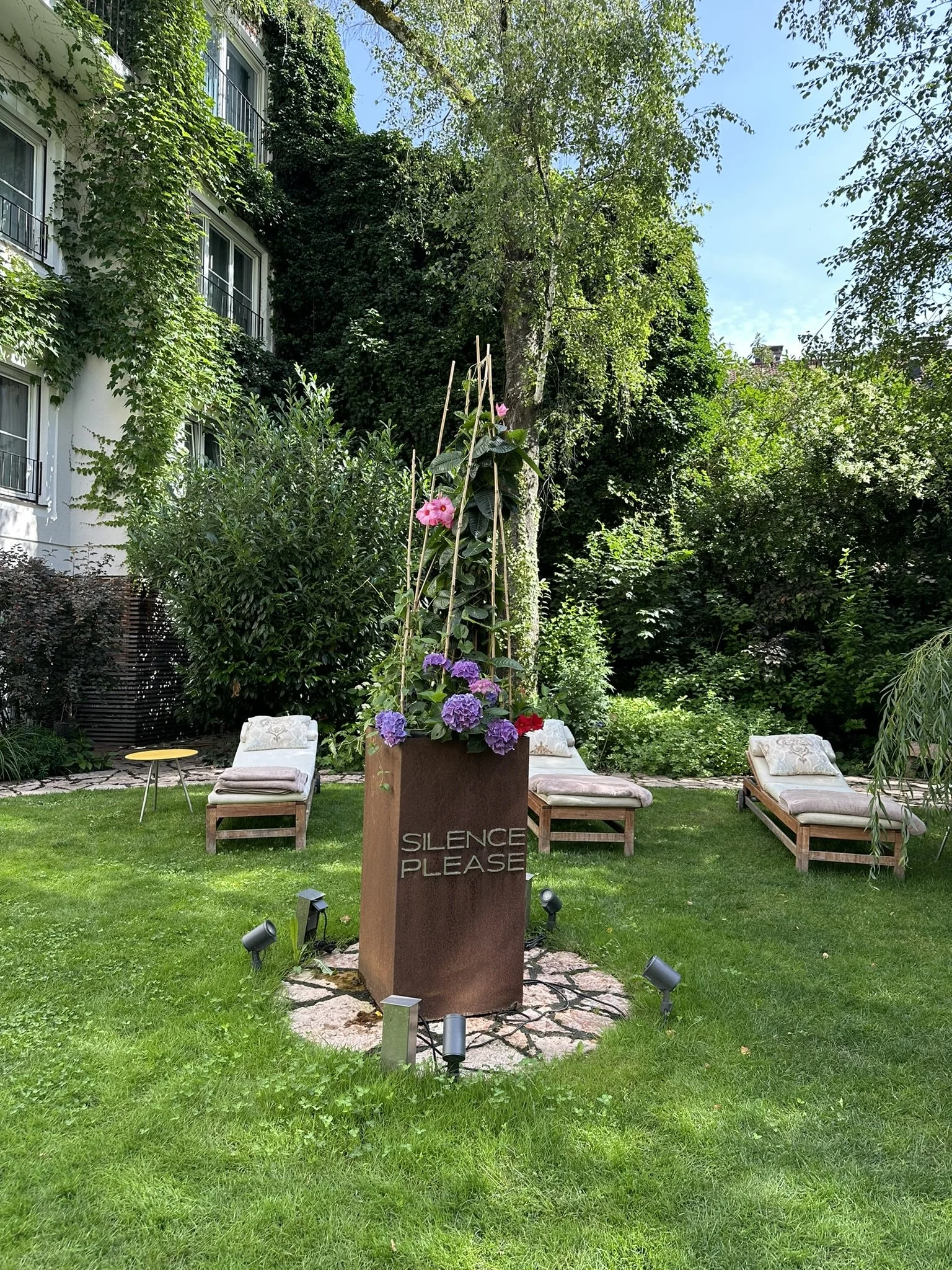
Hotel & Villa Auersperg Salzburg was an especially good fit for Salzburg. It was selected for its quiet residential location just outside the busiest core and its beautifully landscaped, Zen-inspired grounds. That decision proved right. The property exceeded expectations, not because it was flashy, but because it felt restorative in a city that already has so much visual stimulation.
The gardens felt like a private retreat—quiet, contemplative, and impeccably maintained. The restaurant and bar were both excellent, and the service was polished without becoming formal. A Finnish sauna and steam bath lead to a rooftop terrace adorned with flowers and statuary, adding another layer of calm to the stay. The Superior Garden Room was worth the upgrade for the added privacy and peaceful garden views.
Don’t miss
The strongest version of a one-day Salzburg visit combines Rick Steves’ Audio Walking Tour, Hohensalzburg Fortress, St. Peter’s Cemetery, and a stroll along the Salzach. Together, they give the city its full range: intimate, scenic, historic, and open.
Worth adding if you have more time
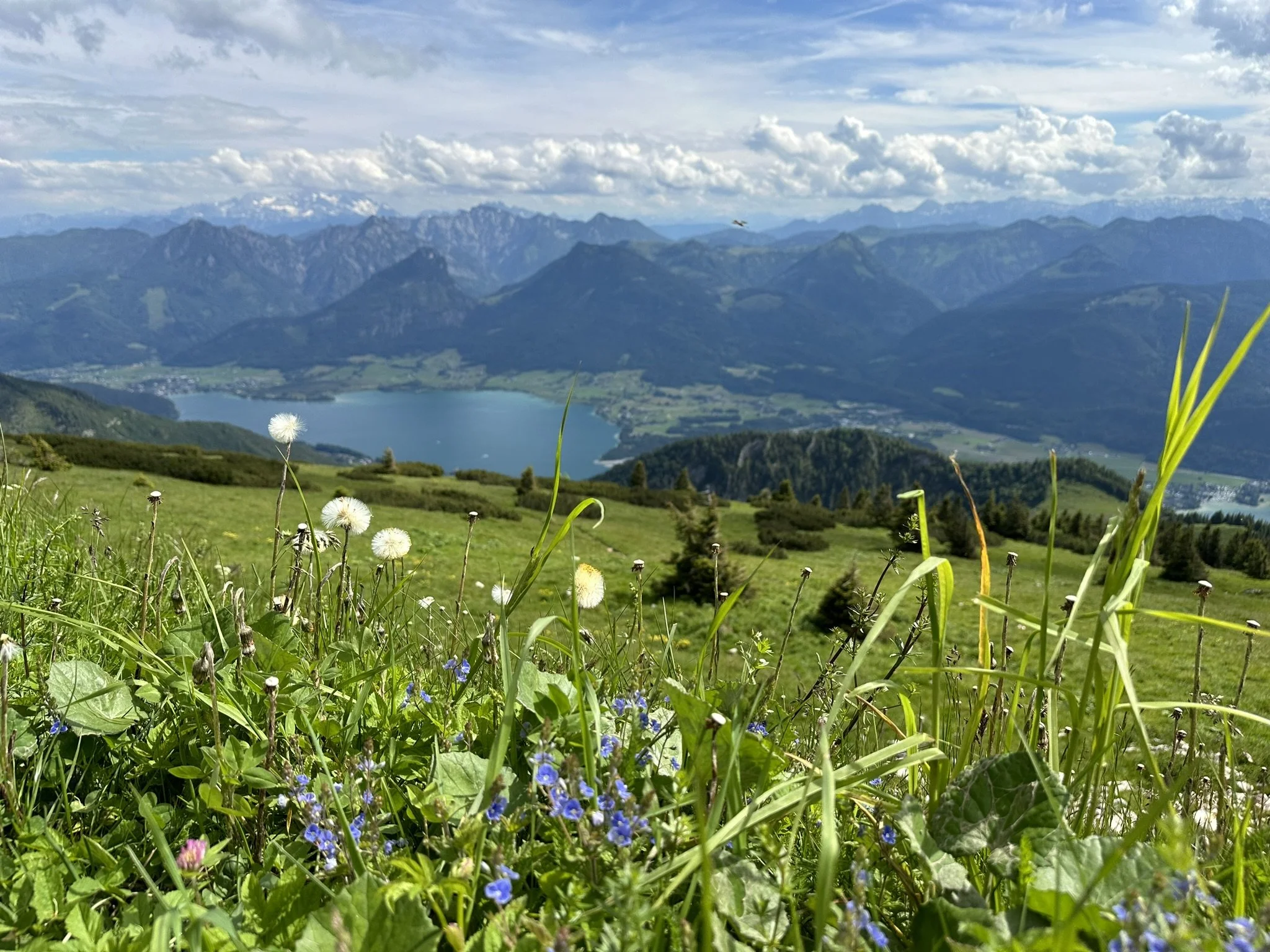
If you have more than one day, Salzburg works well as a base for one of the region’s most scenic outings. A Lake District excursion is one of the best additions, especially if it includes Sankt Gilgen, a ferry across Wolfgangsee and the historic Schafberg Railway to the summit for expansive lake-and-mountain views. That combination adds a more rural and alpine dimension to the trip and pairs especially well with Salzburg’s urban elegance.
What we missed
Since we were limited on time, we missed several worthwhile day trips from Salzburg. These included Hohenwerfen Castle, Liechtensteinklamm Gorge, the Eisriesenwelt Ice Cave, the Salzwelten Salt Mines, Golling Waterfall, and Hallstatt. We also missed a few Hallstatt-area sights often paired together, including the Hallstatt Salt Mine, the Bone House, and Mühlbach Waterfall.
Related Pages
This page may contain affiliate links, which means we may earn a small commission if you make a purchase through them at no additional cost to you.